

Symptoms of Starter Malfunction
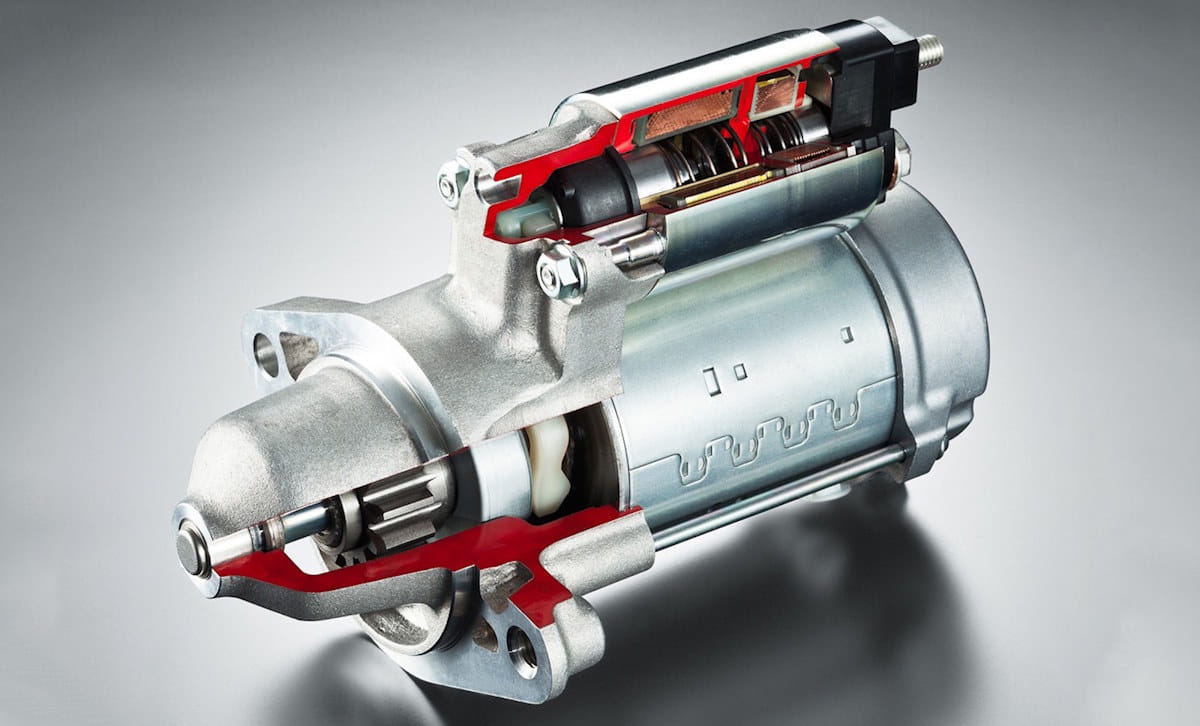
Table of Contents
- Symptoms of a Faulty Starter
- Clicking Sound When Turning the Key
- No Sound at All When Starting
- Metallic Noise Without Starter Motor Rotation
- Starter Spins but Engine Does Not Start
- Starter Turns Over Very Slowly
- Intermittent Starting Problems
- Unusual Noises During Starter Operation
- Starter Jerks When Trying to Start
- Starter Does Not Disengage After Engine Starts
- Burning Smell or Smoke When Starting
- Conclusion
A starter is a component of the vehicle’s starting system responsible for cranking the engine during startup. When it operates correctly, we rarely give it a second thought. However, if it fails, the car may not start at all — the driver might hear clicking sounds, unusual noises, or complete silence. This article highlights the most common signs of starter failure and their potential causes.
Symptoms of a Faulty Starter
Clicking Sound When Turning the Key
If you hear a clicking sound when turning the ignition key but the starter motor doesn't engage, it could indicate worn brushes or a faulty solenoid. Ignoring these clicks may eventually lead to complete starter failure, leaving the engine unable to start.
No Sound at All When Starting
If there’s no sound at all — neither clicks nor motor operation — when you turn the ignition key, it may point to a break in the power supply circuit. A discharged battery, a damaged ground cable, or corroded terminals are common causes. Faulty ignition switches, blown fuses, or a defective starter relay can also be responsible.
Metallic Noise Without Starter Motor Rotation
A metallic click or rattling sound without the starter motor turning could indicate a solenoid malfunction. The solenoid may supply power but fail to engage the starter motor. This issue could also stem from oxidized contacts, low voltage in the circuit, a sticking solenoid, or mechanical failure inside the starter itself. Ignoring it could lead to overheating or internal short circuits.
Starter Spins but Engine Does Not Start
If the starter motor spins but the engine does not respond, the issue may lie with the Bendix drive or the flywheel ring gear. The Bendix might fail to engage, slip freely, or not mesh properly with the flywheel. Worn gears, cracked ring gears, or a lack of fuel or spark — despite a properly working starter — can also cause this. Continuous free-spinning of the starter can cause significant wear and lead to costly repairs.
Starter Turns Over Very Slowly
If the starter cranks sluggishly and without sufficient speed, it could indicate worn brushes, a dirty commutator, or increased resistance in the electrical circuit. Poor terminal contact, a weak battery, or a failing starter are often to blame. These symptoms are especially problematic in cold weather and can eventually lead to complete starter failure.
Intermittent Starting Problems
If the starter sometimes works and sometimes doesn’t, this suggests unstable power supply, poor electrical connections, or internal starter wear. Common causes include corroded terminals, a weak battery, a failing solenoid, or a section of the commutator or brushes intermittently losing contact. Left unchecked, intermittent issues can escalate to total starter failure.
Unusual Noises During Starter Operation
Grinding, loud knocking, or humming sounds during starter operation often signal serious mechanical problems. They may indicate worn Bendix gears, damaged flywheel teeth, or worn-out bushings and bearings. Delayed repairs may result in flywheel damage and expensive repairs.
Starter Jerks When Trying to Start
If the starter jerks, shudders, or hums without proper rotation when you turn the key, it could be due to poor internal contacts, worn brushes, or a faulty solenoid. It may also be caused by unstable power supply from a weak battery or poor grounding. This issue prevents the starter from receiving enough current, which can eventually damage both the starter itself and the vehicle’s wiring.
Starter Does Not Disengage After Engine Starts
If the starter continues to operate after the engine has started, this is a dangerous symptom. It is often caused by sticking solenoid contacts or a faulty ignition switch. Continued operation overheats and quickly wears out the starter, risking severe damage to the flywheel and electrical system. Immediate action is required to shut off the engine and fix the problem.
Burning Smell or Smoke When Starting
A burning smell or smoke coming from under the hood during starting attempts is a serious sign of overheating or a short circuit. A jammed starter, stuck solenoid contacts, or damaged wiring insulation are frequent causes. Such situations can endanger the entire electrical system and even cause fires. The ignition should be turned off immediately, and the starter and wiring must be inspected for damage.
Conclusion
If you notice any of these symptoms, don't delay visiting a mechanic. Early detection of starter problems makes repairs easier and less costly — otherwise, the issue can escalate into more serious damage.
The starter plays a vital role in the vehicle's operation, so keeping it in good condition is essential. Taking care of it ensures reliable starts and extends your car’s lifespan.
And if you need a new starter or its components — you’ll find everything you need in our store. We'll help you select the right model and answer all your questions.
Select the right starter motor for your vehicle in the catalogue.
Go to the starter motor catalogueFrequently Asked Questions
What are the main signs of a faulty starter?
Typical symptoms include a clicking sound when trying to start the car, no engine response, slow cranking, intermittent starting, or no reaction at all when turning the key.
Why might the starter stop working?
Possible causes include a discharged battery, poor terminal or wiring connections, worn brushes, a damaged armature, a faulty starter solenoid, or mechanical issues with the starter gear.
How can you tell a starter problem from a dead battery?
If you hear clicking or buzzing sounds when starting and the lights and instruments work normally, the issue is likely with the starter. If the electrical system is weak and the lights are dim, the battery may be the cause.
Can you continue driving with a faulty starter?
It’s not recommended — if the starter works intermittently, you risk being left with a car that won’t start at all, especially in cold weather or after long periods of parking.
What should you do if you suspect a starter malfunction?
The best approach is to perform diagnostics: check the battery, terminals, and wiring, then test the starter and the solenoid. Replace faulty components if necessary.