

Symptoms of a faulty alternator
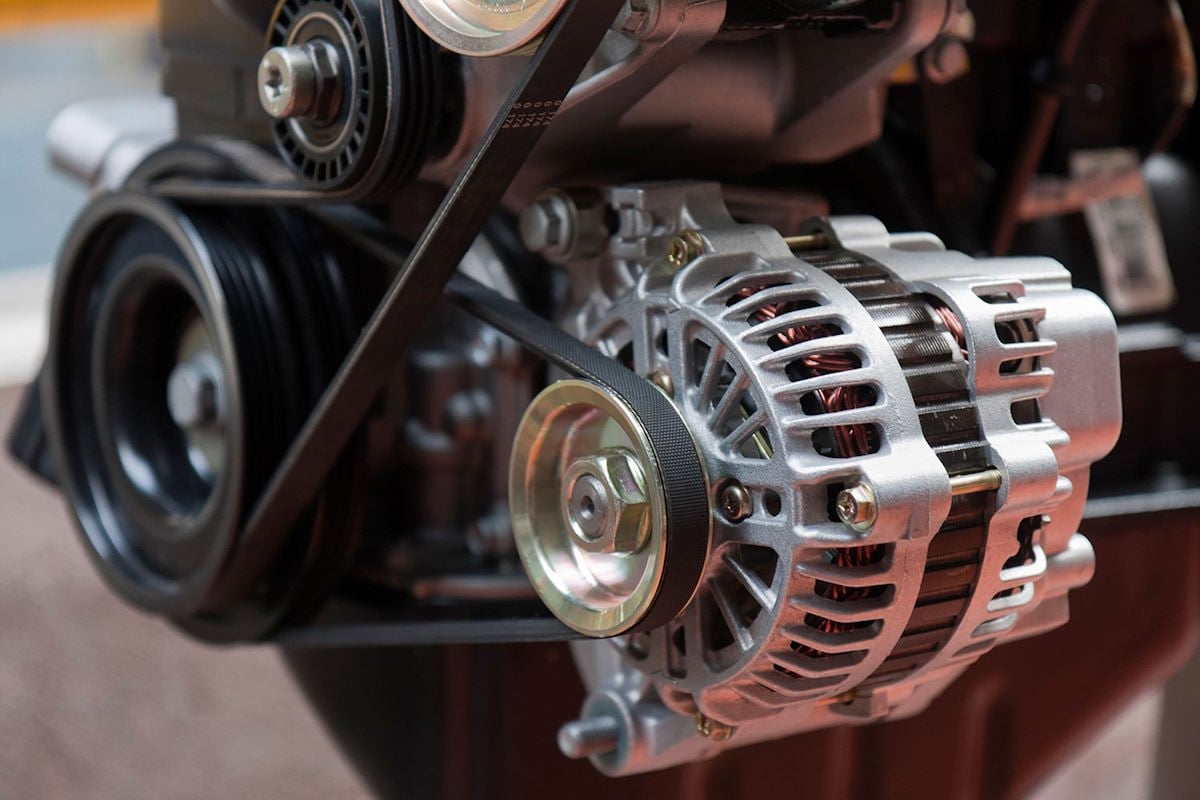
Table of Contents
In today’s automotive terminology, the words “generator” and “alternator” are often used interchangeably. When we refer to the generator, we usually mean the unit that powers the vehicle’s electrical system and recharges the battery. The alternator, however, is its core component – it converts mechanical energy from the engine’s crankshaft into alternating current
Regardless of the name, the alternator is one of the most important parts of the power supply system in both petrol and diesel vehicles. Like any device with moving parts that operates continuously, it is subject to wear and can eventually fail.
A failing alternator can trigger a range of issues – from malfunctioning electrical equipment to a complete engine shutdown, which can create a dangerous situation on the road. This is why recognizing the early signs of alternator failure and taking immediate action is essential to prevent more serious problems.
The Most Common Symptoms of a Failing Alternator
How can you recognize alternator problems without advanced diagnostics or professional help? In fact, many of the warning signs can be spotted during everyday driving. Here are the most common symptoms of alternator failure:
- Flickering or dimming lights. A failing alternator is unable to keep the voltage steady, which causes headlights to flicker and the dashboard or interior lights to dim.
- Difficulty starting the engine. If the alternator doesn’t charge the battery properly, the battery gradually loses power and may no longer be able to start the engine.
- Battery warning light on the dashboard. This is a classic signal that something is wrong with the charging system. If the warning light comes on while driving, it means the battery is not being recharged – in fact, it is continuously losing power.
- Unusual noises under the hood. Alternator failure is often accompanied by sounds such as squealing, grinding, or a metallic rattle. In many cases, the cause is a worn bearing or a loose drive belt.
- Voltage drop. Another symptom of alternator problems is reduced voltage in the system, which weakens engine performance and causes malfunctions in electronic devices.
- Burning smell. An overheating alternator may produce a distinct smell of burning rubber or plastic – a warning sign that should never be ignored.
In the event of a major failure, when the alternator stops working altogether, the engine may stall unexpectedly – especially when the clutch is pressed or the car comes to a stop at traffic lights. This is precisely when the electrical system needs extra power, but a faulty alternator can no longer supply it.
Can You Drive with a Faulty Alternator?
If you notice signs of alternator failure, don’t delay – head to the nearest workshop for diagnostics and repair as soon as possible. Technically, it may still be possible to drive with a faulty alternator, but in practice it’s highly risky. Driving without a functioning alternator means not only discomfort, but more importantly, a serious safety hazard.
Driving at night is especially dangerous – a flat battery won’t be able to keep the headlights or other lights working. Constant voltage fluctuations can also damage sensitive electronic components, including the ECU. Once the battery is completely drained, the engine may suddenly stall, leaving the car stranded – and in traffic, this can easily lead to a serious accident.
What to Do If You Notice Alternator Problems?
If you spot signs of alternator failure while driving, you should take the right steps immediately:
- Reduce electrical consumption. Switch off the air conditioning, radio, navigation, and any other systems that are not essential for safe driving.
- Head to the nearest workshop or service station and ask for assistance.
- If the repair shop is too far away, it’s safer to stop the vehicle and call for roadside assistance or a tow truck.
Petrol cars usually stand a better chance of reaching a workshop using the remaining battery power – in some cases, the engine can even be restarted by push-starting the car. In a diesel vehicle, however, once the engine stalls, restarting it without professional help may not be possible.
Summary
When an alternator fails, the symptoms may appear suddenly or develop gradually – depending on the nature of the fault. In some cases, the driver may not even notice the early warning signs and continue driving, but this is only temporary.
The symptoms of a faulty alternator should never be ignored, as they can lead to a range of issues – from reduced engine power and starting problems to the failure of the entire onboard electronics, or even the engine switching into limp mode. If you notice any signs of alternator failure, don’t delay visiting a workshop. Prompt diagnostics and repair will help you avoid costly breakdowns and keep you safe on the road.
If the alternator needs replacement, you can always choose the right unit for your car brand in our store — we offer a wide selection of high-quality options for most vehicle models.
Select the right alternator for your vehicle in the catalogue.
Go to the alternator catalogueFrequently Asked Questions (FAQ)
What does a faulty alternator sound like?
A failing alternator is often accompanied by unusual noises coming from under the hood. These may include squealing, grinding, or metallic rattling. In most cases, such sounds are caused by worn bearings or a loose drive belt. If you hear noises like these, it’s best to get a diagnostic check as soon as possible.
Can you drive with a faulty alternator?
Technically yes, but it is strongly not recommended. A discharged battery will quickly stop powering the electrical systems, and the engine may stall at the most inconvenient moment. This is especially dangerous when driving at night or on the highway.
Why does the battery warning light come on the dashboard?
If the battery indicator appears while driving, it may signal a problem with the charging system — most often an alternator fault. It means the battery has stopped receiving charge and is beginning to discharge. Don’t ignore this warning — visit a service center as soon as possible