

Alternator Failure on the Road — What to Do?
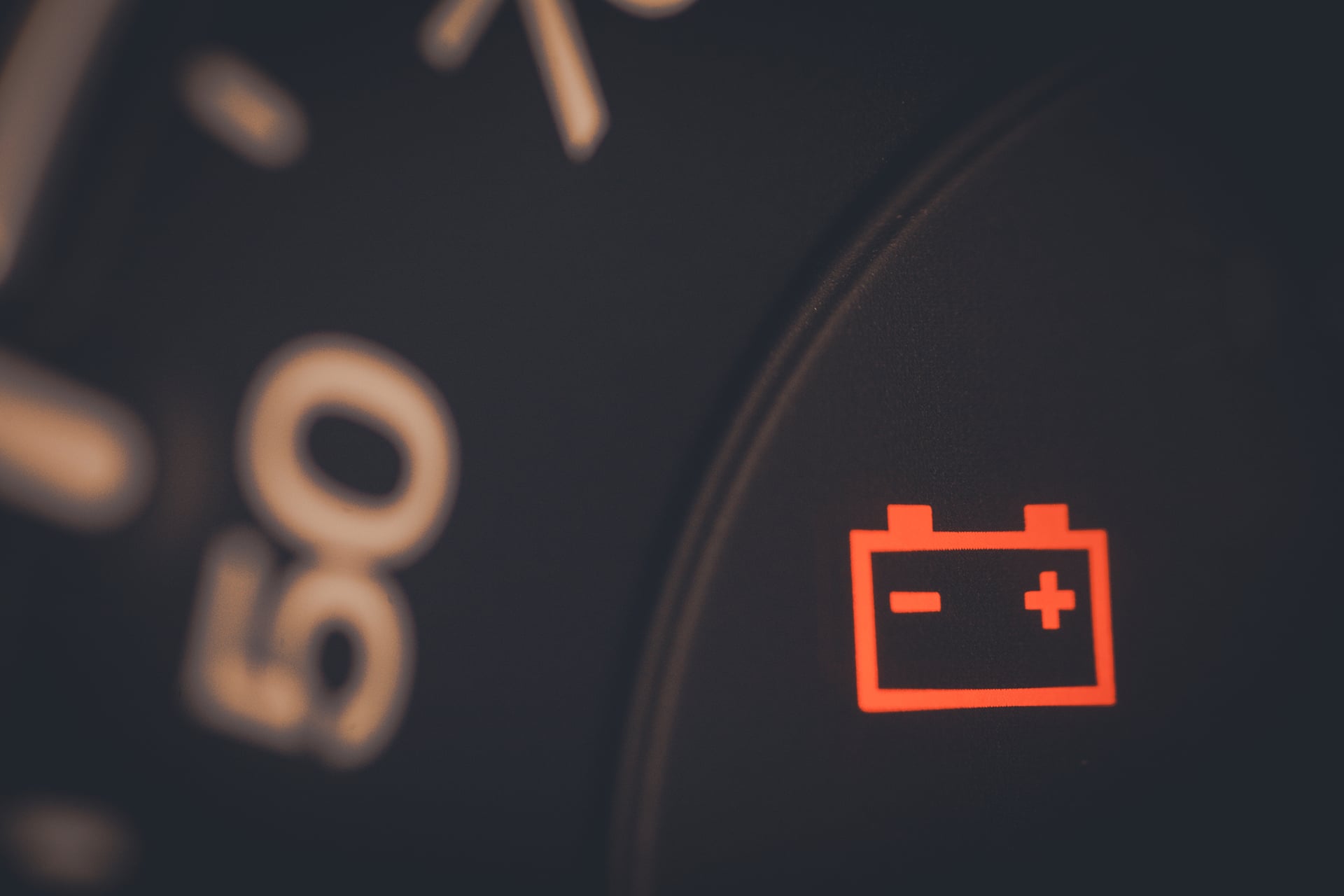
Table of Contents
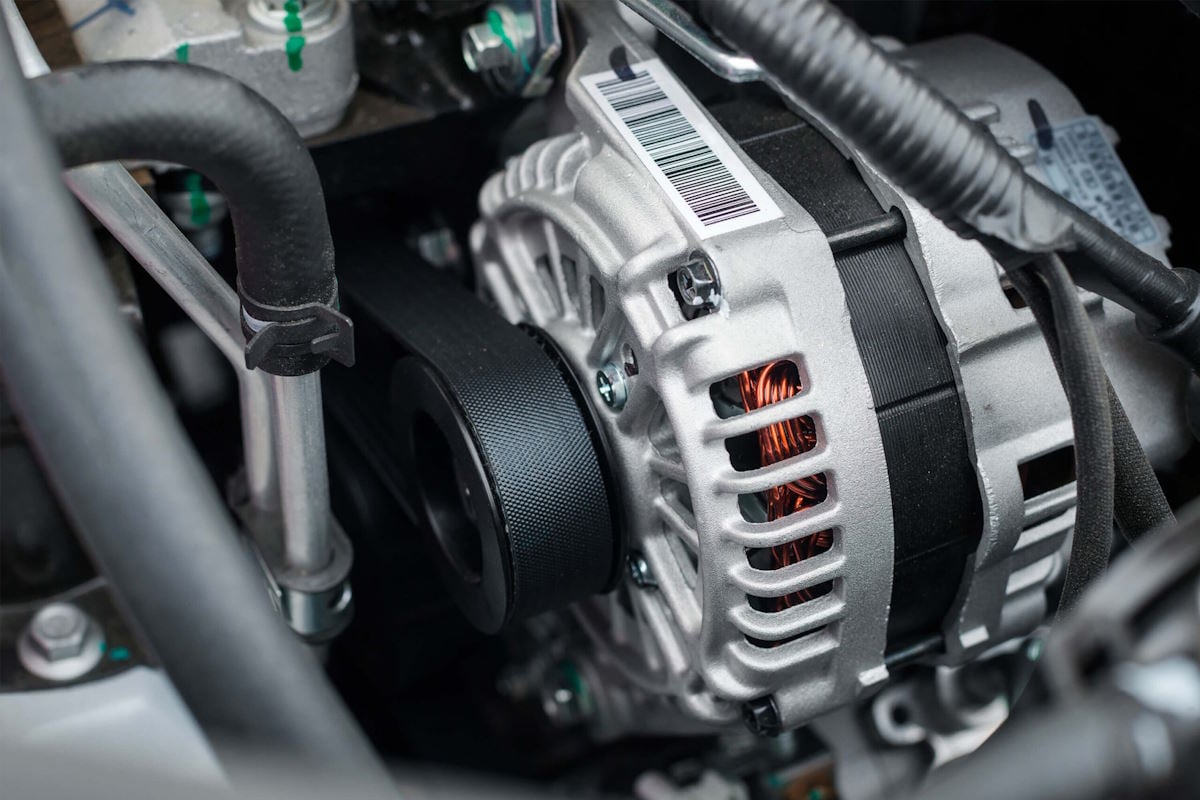
The alternator is a vehicle component that generates electrical power while driving, supplies the car’s electrical systems, and charges the battery. A malfunctioning alternator while driving poses a serious risk and requires immediate action from the driver. When the alternator stops working, you usually have only a few minutes to make the right decision. Acting quickly can save not only the battery but also prevent costly damage to the vehicle’s electronic systems.
Why is this important? When the alternator fails, the vehicle runs solely on the battery. Voltage begins to drop, and control units (ECU, ABS modules, injection system, climate control, etc.) start operating under unstable conditions. This can lead to:
- malfunctions in electronic systems;
- damage to sensitive components due to voltage fluctuations;
- failure of expensive modules, where repairs may cost significantly more than replacing the alternator itself.
- risk of complete stoppage: if the battery becomes fully discharged, the engine will stall and the vehicle will be immobilized, which may create a hazardous situation.
How to Recognize an Alternator Failure on the Road?
A failing alternator shows several clear warning signs. The most obvious is the red battery warning light on the dashboard, which signals a charging problem.
Other symptoms include unstable lighting – headlights and interior lamps may dim or flicker. The radio can turn off by itself, and the engine may begin to run unevenly. In more severe cases, the car may suddenly stall. Unusual noises from the engine bay – such as squeaking, whistling, or grinding – often indicate worn bearings or problems with the drive belt.
You can learn more about the symptoms of alternator failure in this article.
What to Do If the Alternator Fails on the Road? Step-by-Step Actions
If the alternator stops charging the battery, the car will not stall immediately — there will still be some energy left in the battery. It is important to use this time wisely to reach a repair shop safely or to park in a suitable place.
- Do not switch off the engine. Restarting consumes a lot of energy and can completely discharge the battery.
- Turn off all unnecessary electrical consumers. Switch off the air conditioning, radio, navigation system, seat heaters, and extra lighting. This will help preserve the battery charge for longer.
- Assess your driving range. On battery power alone, you can usually drive only a few kilometers — the exact distance depends on its condition, the time of day (whether headlights are needed), and the electrical load. If the nearest repair shop is within 1–2 km, you may try to reach it. But if the distance is greater, it is safer to park in a secure location and call for a tow truck — this way you avoid deep discharge of the battery, which is especially harmful to its lifespan.
- Monitor the dashboard and lighting if you decide to continue driving. The battery warning light, dimming headlights, or irregular operation of electrical equipment are clear signs of voltage drop.
- Stop at the first signs of discharge. If the lights are almost out, the instruments shut down, and the engine starts running erratically or stalls — the battery is discharged. Driving further is dangerous.
- Call for assistance. Contact a tow truck or a mechanic. Continuing to drive with a completely flat battery makes no sense — the car will stall anyway and may stop in a dangerous place.
Stay calm and manage the remaining battery power wisely.
Why You Shouldn't Delay Alternator Repairs
Ignoring the signs of alternator problems can lead to serious financial and technical consequences. Without recharging, the battery drains quickly – usually allowing only 2–20 km of driving, depending on electrical load.
Voltage fluctuations can damage sensitive electronic components. If the voltage drops below 10 V, the battery may suffer permanent damage. If it rises too high, electronic control units, safety systems, and navigation may fail. Headlights and fuses can also burn out, adding to repair costs.
Conclusion
An alternator failure on the road requires immediate but thoughtful action. The key is to recognize the issue quickly and use the remaining power sparingly. Turning off unnecessary devices can extend the range by a few kilometers, giving you a chance to reach a repair shop.
At the first signs of alternator problems, consult a mechanic right away. The longer the repair is delayed, the higher the risk of expensive damage and dangerous breakdowns while driving.
If replacement is required, you can purchase a new alternator from us — with guaranteed quality and compatibility with your vehicle. If necessary, we also offer batteries, so you can fully restore the operation of your electrical system.
FAQ — Frequently Asked Questions About Alternator Failure
Can I keep driving with a faulty alternator?
Yes, but only for a short distance – usually between 2 and 20 km, depending on the condition of the battery. The fewer devices you use, the longer the car will keep running.
What are the first signs of alternator failure?
The battery warning light turns on, headlights dim, the radio shuts off unexpectedly, and the engine may run unevenly.
Can I repair the alternator myself on the road?
Usually not. Repairing an alternator requires special tools and knowledge. The best solution is to reach a workshop or call a tow truck.
Is it dangerous to drive with a faulty alternator?
Yes, if you drive too far. A fully discharged battery can cause the car to stall in a risky location.
How much does alternator repair or replacement cost?
The cost depends on the vehicle and the type of fault. Rebuilding (regeneration) usually costs between 200 and 500 PLN, while a new alternator can range from 600 PLN to several thousand.