

Engine Overheating: Symptoms, Causes, and Consequences
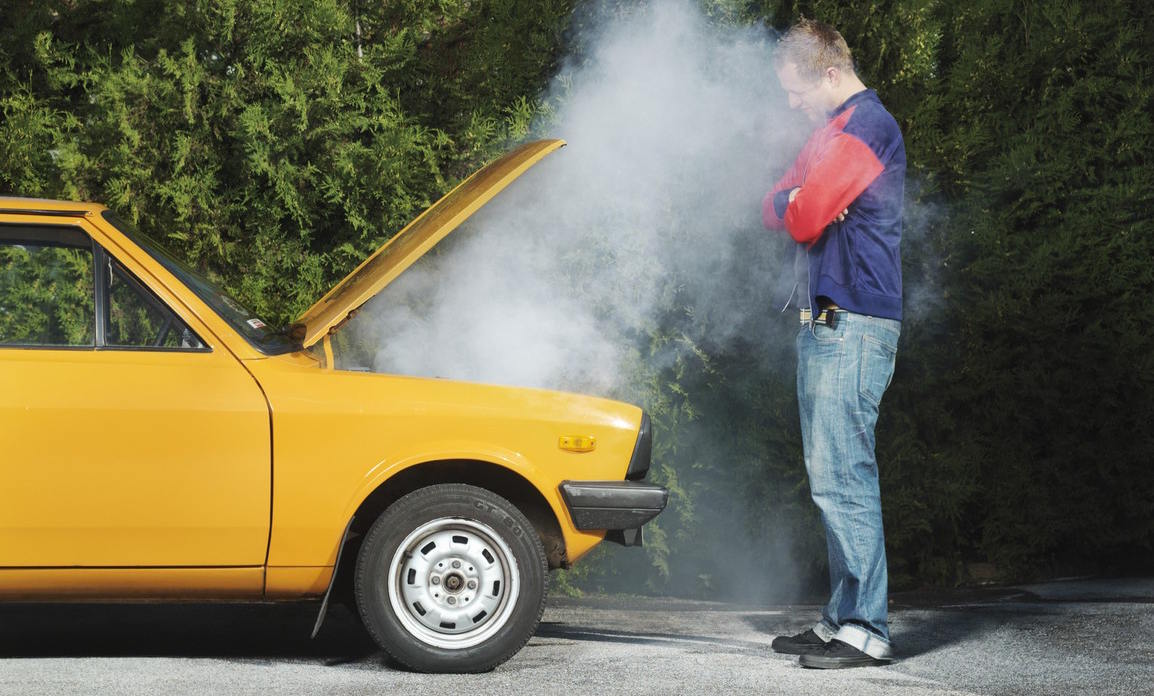
Table of Contents
Symptoms of Engine Overheating
During operation, the engine generates a significant amount of heat. If this heat is not dissipated properly, the risk of overheating increases. Below are the main signs you should be aware of:
- Increased engine temperature. Normally, the engine operates at a temperature of 90–100 °C (up to 105 °C for some models). If the temperature exceeds this range, a thermometer-shaped warning light will appear on the dashboard.
- Loss of engine power. An overheating engine may become less efficient — the car accelerates poorly, and when driving uphill or carrying a load, a noticeable loss of power can occur.
- The heater blows cold air. This may indicate low coolant level, an airlock in the cooling system, or poor coolant circulation. While not a direct symptom of overheating, it’s a warning sign that overheating may occur soon.
- Sweet smell of coolant. A distinctive sweet odor inside the cabin or around the car could mean the coolant is leaking or boiling — both of which are commonly associated with overheating.
- Steam coming from under the hood. This is one of the most alarming signs, often indicating a major cooling system failure, such as boiling coolant. If you notice steam, stop the car immediately, turn off the engine, and do not open the hood until everything has cooled down to avoid burns.
Important: Reacting quickly to signs of overheating is essential to avoid costly repairs. Ignoring the symptoms can lead to serious engine damage.
In the next section, we’ll go over what to do if your engine overheats while driving.
What to Do If Your Engine Overheats
If you notice signs of engine overheating while driving, stay calm and act quickly. Follow these steps:
- Reduce engine load. Immediately turn off the air conditioning and other electrical systems that draw power. Turn the heater on to full — this helps draw excess heat away from the engine into the cabin.
- Pull over as soon as possible. Find a safe spot to stop and switch off the engine. Continuing to drive while the engine is overheating can cause it to seize.
- Do not open the hood immediately. Let the engine cool down first — this usually takes 15 to 30 minutes. Opening the hood too soon can result in burns from steam or boiling coolant. To help the heat escape, you can slightly prop the hood open — but avoid fully lifting it.
- Check the coolant level. Once the engine has cooled, carefully open the expansion tank cap and inspect the coolant level. If it's low, top up with a compatible coolant. In an emergency, water can be used, but it should be replaced with proper coolant later at a service station.
- Visually inspect the engine. Check for signs of leaks, damaged hoses, loose clamps, or any visible steam.
- Do not continue driving if serious damage is suspected. If you notice clear signs of malfunction (e.g. leaks, lack of pressure in the system, burning smell), call a tow truck and seek assistance from a qualified mechanic.
Most importantly — do not attempt to “make it home” with an overheated engine. Doing so can lead to catastrophic engine failure, which is far more expensive than calling a tow truck or replacing coolant.
Common Causes of Engine Overheating
Engine overheating can result from a variety of issues. Below are the most common causes:
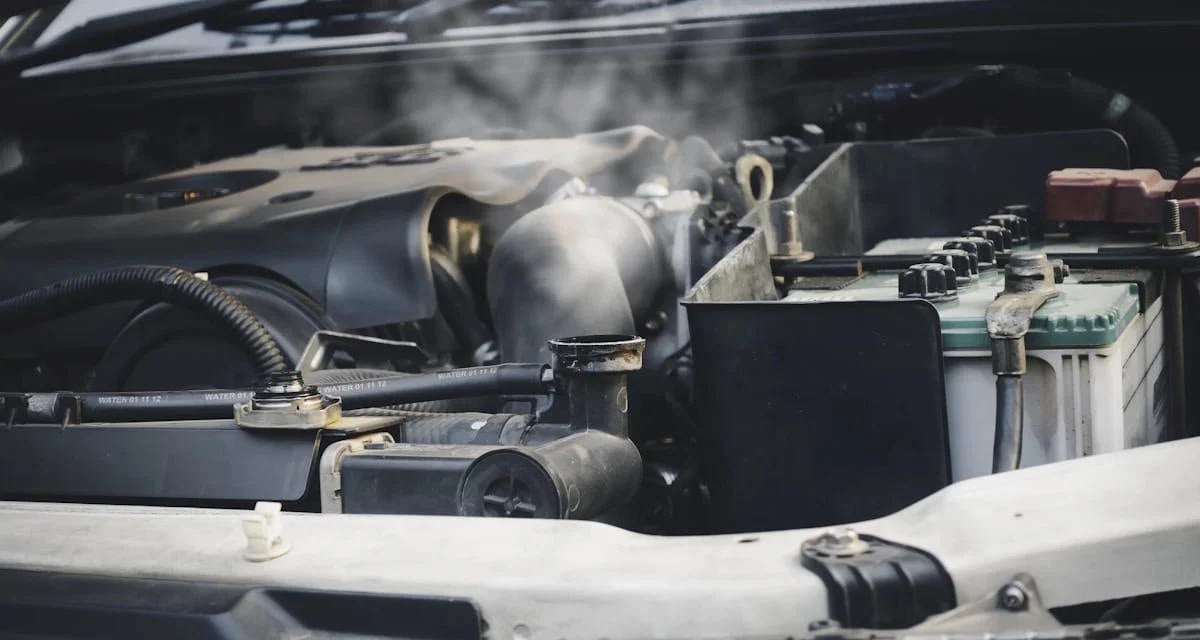
- Coolant leak. This is one of the main reasons engines overheat. Leaks may occur due to a damaged radiator, worn hoses or clamps, a faulty heater core, cracks in the expansion tank, or a blown head gasket. Low coolant levels reduce the system’s ability to dissipate heat, leading to overheating.
- Thermostat malfunction. The thermostat controls coolant flow between the engine and the radiator. If it gets stuck in the closed position, coolant cannot circulate through the radiator, causing the engine temperature to rise rapidly.
- Water pump failure. The water pump (also called the coolant pump) circulates coolant throughout the system. If it fails, the flow is disrupted and the system loses its ability to cool the engine effectively.
- Radiator fan failure. The fan assists in cooling the radiator, particularly when driving at low speeds or in stop-and-go traffic. If the fan fails, engine temperature can quickly reach dangerous levels.
- Faulty fan temperature sensor. This sensor activates the radiator fan when the engine reaches a certain temperature. If it malfunctions, the fan won’t switch on, leaving the cooling system unresponsive to rising heat.
- Clogged radiator. Dirt, dust, and insects on the radiator’s outer surface can obstruct airflow, reducing heat dissipation. As a result, cooling efficiency drops significantly.
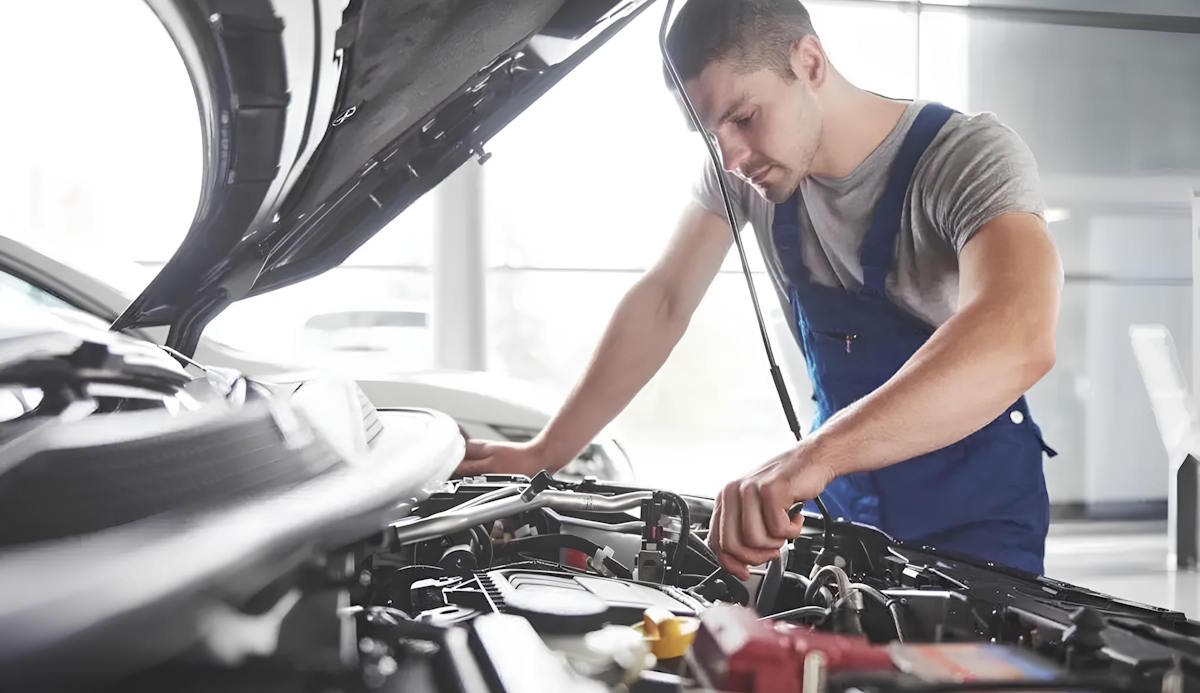
In most cases, identifying the exact cause of overheating requires diagnosis by a qualified technician. Regular vehicle maintenance can help detect and resolve potential issues before they become serious.
Potential Consequences of Engine Overheating
Ignoring the symptoms of overheating can lead to serious damage. Here are the most common and severe consequences:
- Blown head gasket. This can cause coolant and engine oil leaks, as well as a loss of compression in the cylinders — all of which affect engine performance and reliability.
- Warped or cracked cylinder head. Prolonged exposure to high temperatures can deform or crack the cylinder head, often requiring expensive repairs or replacement.
- Boiling engine oil. When oil overheats, it loses its lubricating properties, increasing engine wear and potentially leading to engine seizure.
- Water pump failure. Overheating puts additional stress on the coolant pump, which can lead to its breakdown and worsen the cooling system failure.
- Piston and cylinder damage. Excessive heat causes metal parts to expand. This can result in scoring or seizure of the piston group.
- Sensor and electronics failure. Overheating affects sensitive components, especially in modern vehicles that rely heavily on electronic systems.
Even short-term overheating can trigger a chain reaction of damage.
Preventing Engine Overheating
As mentioned earlier, engine overheating is a serious issue that can lead to major damage and costly repairs. To avoid such situations, follow these key recommendations:
- Check and replace coolant regularly. The coolant level should be inspected at least once a month and always before long trips. Complete coolant replacement is usually required every 2 to 7 years, depending on the fluid type and manufacturer’s guidelines. For more details, refer to your vehicle’s service manual or our dedicated article on this topic.
- Inspect the thermostat. A stuck thermostat can lead to overheating. It’s important to check its operation periodically and replace it if needed.
- Clean and inspect the radiator. A dirty radiator is less effective at heat dissipation, especially in hot weather or stop-and-go traffic. Regularly clean the radiator’s exterior surface and check for any visible damage or blockages.
- Ensure the radiator fan works properly. The fan boosts cooling performance when the car is idling or stuck in traffic. Make sure it activates when the engine gets hot and operates smoothly.
Conclusion
Engine overheating is more than just a temporary inconvenience — it can cause serious mechanical failures and significant financial loss. Regular maintenance, paying attention to early warning signs, and following operational guidelines will help minimize the risk of overheating. Maintaining your cooling system is an investment in your car’s long-term reliability and performance.
Frequently Asked Questions
What symptoms indicate engine overheating?
An excessive rise in temperature on the gauge, steam coming from under the hood, a burning smell, reduced engine performance, and unstable engine speed.
Why can an engine overheat?
Common causes include a low coolant level, leaks, a faulty thermostat, a clogged radiator, a failed cooling fan, or a malfunctioning water pump.
What should you do if the engine starts overheating while driving?
Pull over, turn off the engine, allow it to cool down, and check the coolant level and cooling system — continuing to drive is dangerous.
Can you keep driving if the temperature slightly exceeds normal but there is no steam or smell?
A slight increase for a short period may be acceptable, but it is best to reduce engine load and have the cooling system checked as soon as possible.
What are the consequences of severe engine overheating?
Overheating can cause cylinder head deformation, head gasket failure, piston damage, loss of compression, and other serious mechanical problems.