

Is Coolant Leakage Dangerous?
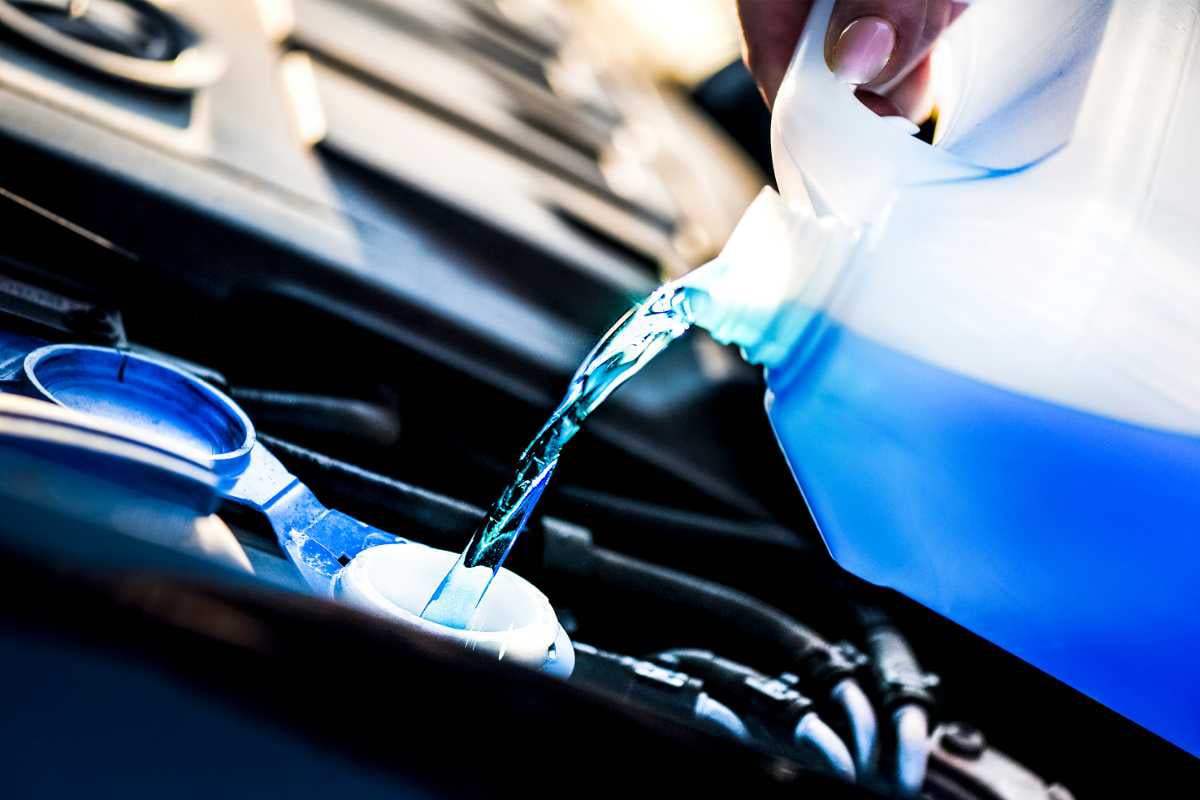
Table of Contents
A drop in antifreeze level in the expansion tank and characteristic stains under the vehicle are the first signs of a leak. Antifreeze is a specialized coolant that absorbs excess heat from the engine, regulates its operating temperature, and prevents overheating. Although the cooling system is a closed circuit and, in theory, should not lose fluid, losses do occur in practice. If the antifreeze level is decreasing, the question arises — should you be concerned? In this article, we will discuss when this is a natural process and when it signals a serious issue.
Why Is Antifreeze Important?
A slight loss of antifreeze is normal for any vehicle. However, before determining how much can be lost without causing harm, let's examine its functions:
- Dissipates excess heat from the engine, maintaining an optimal operating temperature (90–100 °C).
- Prevents corrosion thanks to special inhibitors in its composition.
- Protects against freezing in winter (down to -35 °C) and overheating in summer (boiling point above 108 °C).
- Ensures proper heater operation in the cabin.
- Lubricates the cooling system pump and protects seals.
On average, an acceptable antifreeze loss for a passenger car is around 0.5 liters per year. This is due to natural evaporation and microscopic leaks that are not hazardous. However, if antifreeze is disappearing more quickly, it’s worth paying attention to the issue.
It is crucial to regularly check the antifreeze level in the expansion tank, especially before long trips. A low coolant level can be an early sign of a serious malfunction.
Why Does Antifreeze Leak? Main Causes
There are many possible causes of antifreeze leaks, and it is often difficult to pinpoint a single source of the problem. The most common reasons include:
- Radiator damage – caused by corrosion or mechanical impact.
- Leaking water pump – due to worn-out seals or bearings.
- Deterioration of rubber hoses – over time, the material becomes brittle and may crack.
- Heater core damage – can lead to coolant leaking into the vehicle’s cabin.
- Cylinder head gasket failure – in severe cases, antifreeze can enter the combustion chamber.
In modern vehicles, antifreeze leaks are often associated with a faulty exhaust gas recirculation (EGR) cooler. In older cars, the primary cause is corrosion of the cooling system components, usually due to using incorrect antifreeze or water instead of a proper coolant mixture.
Signs of Antifreeze Leakage
The first symptoms of a cooling system malfunction are not always obvious. What should you pay attention to? Here are the key signs indicating a possible antifreeze leak:
- Engine overheating and high temperature readings on the dashboard.
- Visible coolant leak stains under the car—typically green, red, or blue.
- Low coolant level in the expansion tank.
- Noisy water pump operation and frequent activation of the radiator fan.
- Thermostat malfunction—the engine heats up too quickly or fails to reach operating temperature.
- Fogged-up windows from the inside and a distinctive sweet smell in the cabin (may indicate a heater core leak).
- Steam coming from under the hood.
If the antifreeze level drops below the "MIN" mark or the expansion tank is empty, do not continue driving. This can cause severe engine damage.
In modern vehicles, a low coolant level warning light on the dashboard alerts the driver. Do not ignore this signal—insufficient antifreeze in the radiator can quickly lead to overheating and serious engine failures.

How to Detect an Antifreeze Leak? Diagnostic Methods
Finding the source of an antifreeze leak can be more challenging than it seems, as leaks may occur in hard-to-reach areas or be initially unnoticeable.
Main diagnostic methods:
- Visual inspection – Check all cooling system hoses, the radiator, water pump, and the area around the cylinder head gasket.
- UV dye test – Add a special fluorescent dye to the system and inspect with an ultraviolet light.
- Pressure test – Use specialized diagnostic equipment to check the system’s integrity under pressure.
- Underbody inspection – A radiator leak often leaves visible stains under the vehicle.
Pay close attention to the following areas when inspecting for an antifreeze leak:
- Hose connections and their condition – Leaks most often occur at joints, especially if clamps are loose or rubber has developed microcracks.
- Thermostat housing and surrounding area – Leaks may occur due to a failing gasket or small cracks in the housing.
- Water pump condition – Look for coolant residue around the pump, as well as unusual noises or excessive play when it operates.
- The expansion tank and its mounts – over time, plastic components may crack, and the cap may lose its sealing properties.
If the antifreeze leak worsens when the engine is hot, it may indicate not only a cylinder head gasket failure but also a loss of sealing in other cooling system components. To accurately determine the cause, it is recommended to perform a diagnostic check, including a CO₂ test to detect exhaust gases in the coolant, a pressure test to check system integrity, and an oil inspection for signs of emulsification.

Coolant Level Too Low or No Coolant – Consequences
A lack of antifreeze can lead to severe engine damage. If the coolant level drops and the driver ignores the issue, the consequences may result in costly repairs or, in extreme cases, complete engine failure.
What happens if there’s no antifreeze in the expansion tank?
- Engine overheating and seizure
- Cylinder head warping and head gasket failure
- Water pump failure
- Cooling system depressurization
- Thermostat damage
Can You Drive Without Antifreeze? Absolutely not. Even a short drive without antifreeze can cause irreversible engine damage. Excessive heat leads to the loss of motor oil's lubricating properties, significantly accelerating engine wear.
Remember: the longer a coolant leak is ignored, the more severe and expensive the consequences become. The cost of replacing a radiator or fixing a minor leak is far lower than a full engine rebuild caused by overheating.

How to Fix an Antifreeze Leak?
Once the source of the leak is identified, appropriate measures must be taken to eliminate it.
Temporary Solutions for Minor Leaks:
- Using radiator sealants – special additives that temporarily stop small leaks.
- Applying repair tape for hose leaks.
- Replacing clamps at hose connections.
However, keep in mind that these are only temporary fixes. The only reliable way to solve the problem is to replace the damaged components:
- Replacing coolant hoses
- Installing a new radiator
- Replacing the cylinder head gasket
- Repairing or replacing the water pump
After completing the repairs, it is essential to bleed air from the cooling system and refill it with fresh antifreeze, following the manufacturer’s recommendations.
Topping Up Coolant – Why Is It Important to Have a Spare Supply?
The need to top up antifreeze can arise at the most unexpected moment. That’s why it is recommended to always keep at least a one-liter bottle of the correct coolant in your trunk.
Important Rules for Topping Up Antifreeze:
- When to top up? Only when the engine is cold.
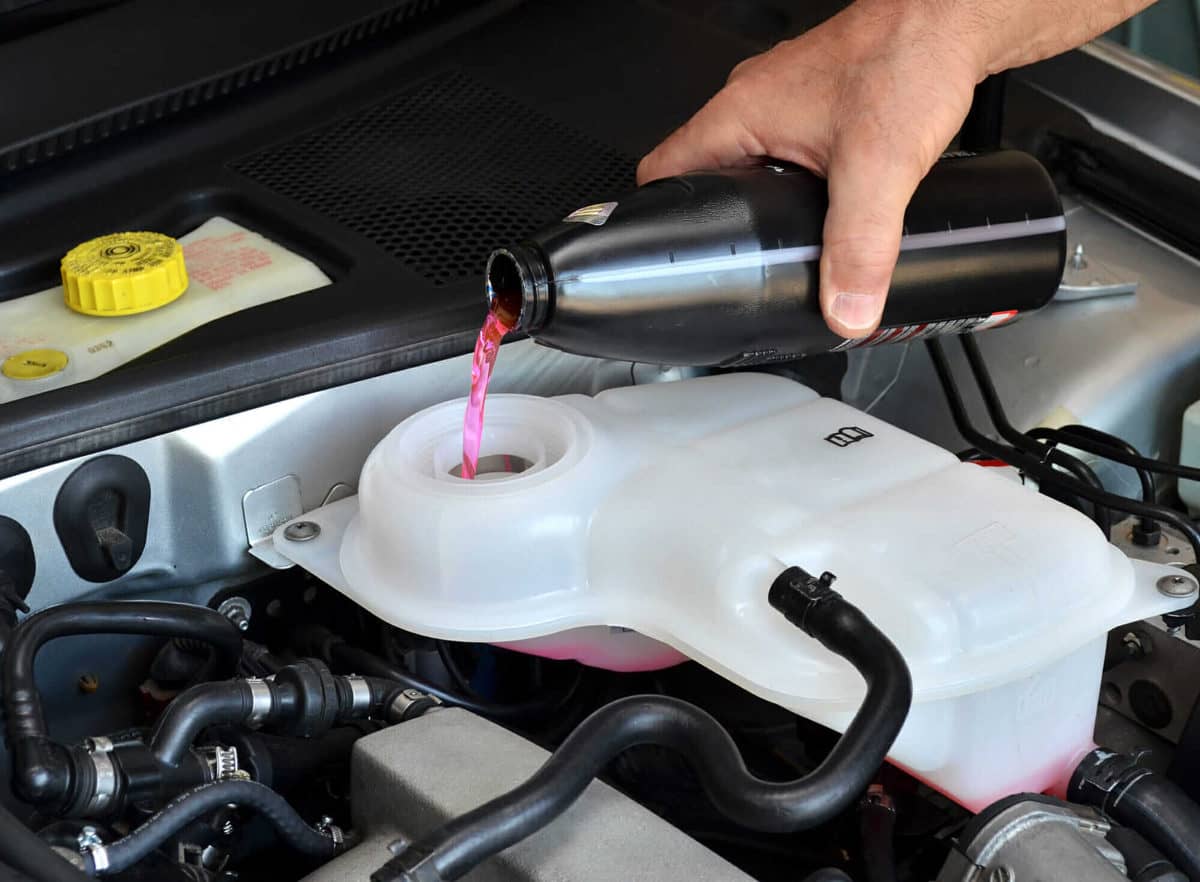
- How to do it correctly? The coolant level should be between the MIN and MAX marks on the expansion tank.
- Can different types of antifreeze be mixed? No, always use the same type.
- Can water be used instead? Only in emergencies.
If the coolant level suddenly drops while driving, pull over to a safe location immediately. If you have a spare supply, you can carefully top it up and drive to the nearest auto repair shop. Otherwise, you may need to call a tow truck.
You can buy antifreeze in our online store
Select the right antifreeze for your vehicle in the catalogue.
Go to the antifreeze catalogueConclusion
If the antifreeze level is dropping, do not ignore the problem. Regularly checking the level and responding quickly to leaks can help prevent costly engine repairs. It is recommended to always keep a spare bottle of the correct coolant in your trunk so you can top it up if necessary, following the manufacturer’s instructions. However, remember that topping up is only a temporary solution—any coolant leak requires identifying the cause and performing a professional repair.
Frequently Asked Questions
Why is it important to react quickly to coolant leaks?
Coolant cools the engine and protects the system from overheating and corrosion — a leak disrupts these functions and can lead to serious failures.
What symptoms indicate a coolant leak?
Puddles or wet spots under the car, the smell of coolant, a dropping level in the expansion tank, engine overheating, smoke or steam coming from under the hood.
What should you do immediately after noticing a leak?
Stop the vehicle, turn off the engine, allow it to cool down, check the reservoir and hoses, and if necessary — top up the coolant or call for service assistance.
Is it safe to continue driving with a small leak?
For a short time — yes, but it is risky: the engine may overheat, and the risk of damaging the radiator, water pump, or head gasket increases significantly.
When should you visit a service center?
If the coolant level drops regularly, leaks appear, a smell is noticeable, the engine overheats, or coolant drips under the car — it is best to have the cooling system diagnosed and repaired as soon as possible.