

Can You Mix Coolants — When It’s Acceptable and When It’s Not
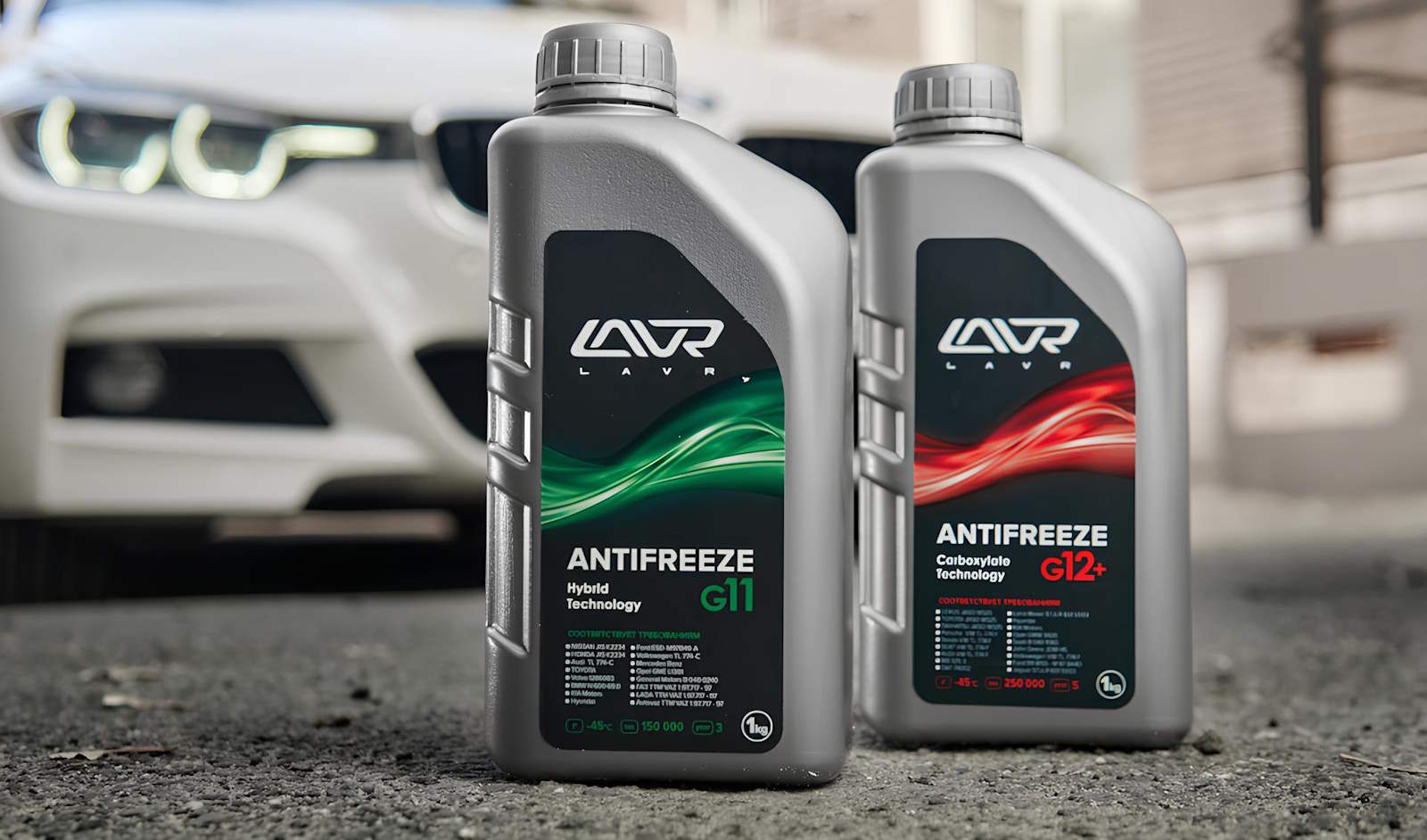
Table of Contents
The question of mixing engine coolants most commonly arises during top-up or replacement. It is important to understand that this is not always safe. A mistake can lead to reduced heat transfer efficiency, deposit formation, and issues within the cooling system. The key factor is not the color of the fluid, but the compatibility of its composition and compliance with manufacturer approvals.
Can Different Coolants Be Mixed and When Is It Acceptable
In short: mixing is only acceptable when compatibility is confirmed. This applies in the following cases:
- Same type or technology (for example, OAT with OAT), provided that manufacturer approvals and recommendations match. In such cases, a similar chemical base and additive package are used, which minimizes the risk of adverse reactions and preserves performance characteristics;
- Explicit manufacturer approval. Some brands allow mixing specific products or product lines. This information is usually indicated on the packaging or in technical documentation — this is the most reliable reference point;
- Matching standards and approvals. If the fluids meet the same specifications (for example, the requirements of a specific vehicle manufacturer), they can be considered conditionally compatible. However, mixing is still not the preferred solution.
In all other cases, mixing should be avoided — especially if the composition is unknown or the fluids are based on different technologies.
It is important to understand that compatibility is determined by chemical composition and additive packages, not by the fluid’s appearance. That is why you should rely on specifications rather than color. Color is not a reliable indicator — the same shade may conceal completely different formulations.
Moreover, there is no universal color standard for antifreeze. Different manufacturers may use red, green, or pink to represent entirely different types and compositions. Therefore, the only reliable reference is the labeling on the packaging and the vehicle manufacturer’s approvals.
On the road, only a temporary top-up is acceptable — and only if compatibility is clearly confirmed. If there is any doubt, this should be treated as an emergency measure, followed by a complete coolant replacement as soon as possible.
In extreme cases, distilled water can be used. However, keep in mind that it dilutes the coolant, reducing freeze protection, lowering the concentration of corrosion inhibitors, and decreasing the system’s resistance to high temperatures. This is strictly a temporary solution. After such a top-up, the correct coolant mixture should be restored as soon as possible to ensure the cooling system operates properly.
What Happens If You Mix Incompatible Coolants
Mixing engine coolants most commonly occurs on the road during a top-up, after purchasing a used vehicle, or when there is no information about previous maintenance.
It is important to understand that such actions do not always cause immediate failure, but they significantly increase the risk of problems over time. The most common consequences include:
- Reduced corrosion protection. Additives responsible for corrosion resistance may lose effectiveness. As a result, system components — such as the radiator and engine passages — become more susceptible to corrosion;
- Formation of deposits and fluid clouding. Chemical reactions between components can lead to sediment formation, which accumulates in the system and restricts proper circulation;
- Changes in chemical properties. The coolant loses stability, and its composition no longer meets the specified performance and protection requirements;
- Decreased heat transfer efficiency. The altered composition reduces the fluid’s ability to dissipate heat effectively, directly affecting cooling performance;
- Risk of overheating and blockage of system passages. Deposits may partially block channels, while reduced cooling efficiency leads to increased engine operating temperatures.
As a result, the cooling system becomes less efficient. Over time, this may lead to leaks, corrosion, and other operational issues.
What to Do If You Don't Know Which Coolant Is in the System
If you are not sure which coolant is currently in the system, do not top it up with a random product. It is also not recommended to add even a small amount of another antifreeze “just to test,” assuming it will not affect its overall properties. Even partial mixing of incompatible formulations can degrade coolant performance. This is one of the most common mistakes that can lead to cooling system issues.
To minimize risks, follow these recommendations:
- Check the owner’s manual or service documentation. The manufacturer always specifies the required coolant type and the relevant approvals;
- Compare the antifreeze type (IAT, OAT, HOAT), but use this only as a guideline, not as the sole criterion;
- Try to find out what was previously used. This can be done by reviewing service records, receipts, or asking the previous owner;
- Look for labels under the hood or on the expansion tank. Many vehicles indicate the required coolant type or the applicable standard;
- Avoid mixing “universal” coolants if their composition is not clearly specified by the manufacturer;
- Assess the condition of the fluid. Cloudiness, sediment, or a change in color may indicate degradation or previous mixing.
If the composition cannot be identified, the safest solution is a complete coolant replacement. This includes draining the old antifreeze and flushing the system to remove any residues. This approach helps prevent unwanted chemical reactions, restores proper cooling system operation, and ensures reliable protection against corrosion and engine overheating.
After replacement, it is recommended to monitor the coolant level in the expansion tank for several days and keep an eye on engine temperature to ensure the system is operating correctly.
Choose the right antifreeze to protect your engine from overheating, freezing, and corrosion.
Antifreeze catalogKey Takeaways
Coolant should only be mixed when compatibility is clearly confirmed. Color should not be used as a reference — it is not a reliable indicator. If in doubt, it is safer to avoid the risk and carry out a complete coolant replacement.
If, after topping up or mixing, the fluid becomes cloudy, sediment appears, or the engine begins to run at a higher temperature, the cooling system should be checked as soon as possible.
If the coolant composition is unknown, it is best not to take risks. Replacing antifreeze is far more cost-effective than dealing with potential cooling system repairs.
FAQ — Frequently Asked Questions
Can you mix different coolant fluids?
Coolants can only be mixed if their compatibility is confirmed. You should not rely on color, but on the chemical type, specifications, and manufacturer recommendations. If you are not sure, it is better to avoid mixing.
Can you rely on coolant color when mixing?
No, color is not a reliable indicator. The same color may represent completely different formulas depending on the manufacturer. Always check the specifications, technology, and vehicle manufacturer approvals.
What happens if you mix incompatible coolants?
This can lead to reduced corrosion protection, formation of deposits, poorer heat transfer, and disrupted fluid circulation. Over time, it increases the risk of engine overheating and damage to the cooling system.
What should you do if you don’t know what coolant is in the system?
You should not top up with a random coolant. Check the vehicle manual, labels under the hood, or service history. If the coolant type cannot be identified, the safest solution is a complete replacement with system flushing.
Can you temporarily use distilled water instead of coolant?
Yes, distilled water can be used as a temporary emergency solution. However, it dilutes the coolant, reduces freeze and corrosion protection, and lowers resistance to high temperatures. After that, the proper coolant mixture should be restored as soon as possible.