

Engine Operating Temperature: Petrol and Diesel
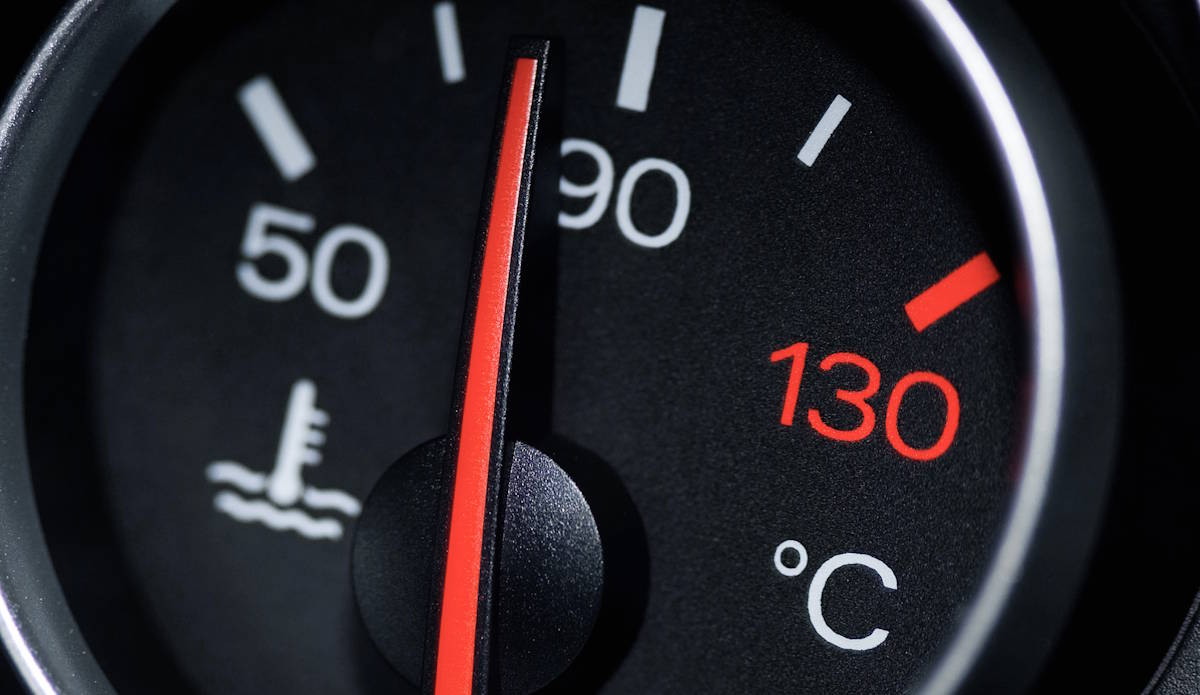
Table of Contents
An internal combustion engine (ICE) is a complex mechanical system where the controlled combustion of an air-fuel mixture generates energy required to move the vehicle.
When the engine runs at low temperatures, the fuel does not burn completely, leading to decreased efficiency and increased emissions. On the other hand, excessive heat can cause overheating and serious mechanical issues.
This raises an important question: what temperature range is considered optimal for petrol and diesel engines? And what operating temperature ensures reliable and efficient engine performance?
Optimal Operating Temperature for Petrol Engines
On average, the operating temperature of most internal combustion engines is around 95 °C. However, this value may vary depending on the engine's design and configuration.
For petrol engines, the recommended temperature range is between 85 °C and 105 °C. Within these limits, the air-fuel mixture burns completely and efficiently, ensuring optimal power output, fuel economy, and reduced emissions. This range allows the engine to run stably without the risk of overheating or associated damage.
Failing to maintain the proper temperature range can lead to several issues. If the engine does not warm up sufficiently, mixture formation worsens, fuel consumption increases, and wear on the cylinder-piston group accelerates. Additionally, operating at low temperatures also puts additional stress on the fuel injection and ignition systems. On the other hand, overheating may result in engine knocking, blown head gaskets, warped cylinder heads, damaged oil film, and accelerated wear of moving components.
Operating Temperature for Diesel Engines
Diesel engines have a different thermal profile compared to petrol engines, due to their design and combustion principles. In particular, combustion in diesel engines occurs under higher pressure but at relatively lower temperatures. As a result, these engines take longer to warm up and typically operate at lower peak temperatures than petrol engines.
The optimal operating temperature for a diesel engine is between 75 °C and 95 °C. This range ensures efficient engine performance, minimizes the risk of overheating, and contributes to a longer service life.
Maintaining the correct temperature is especially critical for diesel engines. Insufficient warm-up leads to incomplete fuel combustion, increased exhaust toxicity, and accelerated wear of emission control components—such as the catalytic converter, lambda sensor, and others. Overheating, in turn, can cause deformation and damage to key engine parts like the cylinder head and piston assembly.
You can read more about how to recognize engine overheating and what it can lead to in our article “Engine Overheating: Symptoms, Causes, and Consequences”.
How the Cooling System Affects Engine Operating Temperature
For the engine to run reliably and consistently, its temperature must remain within the proper range. This task is managed by the cooling system, whose performance directly affects heat dissipation and the overall condition of the engine.
The main components of the cooling system include:
Each of these elements requires regular inspection and, when necessary, replacement. Routine maintenance helps detect faults in time—preventing both overheating and insufficient warm-up.
The thermostat deserves special attention, as it regulates the flow of coolant and maintains the engine temperature within the optimal range. If the thermostat fails, the system becomes unstable and may cause serious engine damage.
Coolant quality is equally important. Over time, its properties degrade, so it’s essential not only to monitor the coolant level but also to replace it regularly in accordance with the manufacturer's service schedule.
Causes of Engine Overheating and Insufficient Warm-Up
Common Causes of Overheating:
- Faulty thermostat – If the thermostat is stuck in the closed position, coolant cannot circulate through the radiator, leading to overheating.
- Broken cooling fan – Without the fan, heat dissipation is significantly reduced, especially at idle or in traffic.
- Clogged radiator – Dirt or blockage on the external surface or internal channels of the radiator lowers heat exchange efficiency.
- Low coolant level – Leaks or evaporation of antifreeze make the cooling system ineffective.
- Water pump issues – A worn impeller or poor rotation impairs proper coolant circulation.
- Control system failures – Electronically controlled thermostats may malfunction due to faulty sensors or ECU errors.
Common Causes of Insufficient Warm-Up:
- Stuck-open thermostat – If the thermostat remains open, coolant immediately flows through the full circuit, including the radiator. In cold weather, the engine may not reach its operating temperature.
- Electronic control faults – In vehicles with electronic thermostats, wiring damage or ECU malfunctions may cause the valve to open too early.
- Cold weather and highway driving – During extended high-speed driving in freezing temperatures, especially with a faulty thermostat, the engine may fail to warm up properly.
Practical Tips: What Drivers Should Pay Attention To
Even when the cooling system is functioning correctly, it’s important to monitor how the vehicle behaves in everyday driving. Here are some warning signs and situations to watch for:
- Temperature gauge movement – In most modern cars, the coolant temperature gauge remains steady once the engine is warm, even if actual readings fluctuate slightly (e.g., between 90 °C and 100 °C). If the needle rises noticeably above the usual level, it’s a reason for concern.
- Rising temperature in traffic or at idle – This may be normal if the fan activates and the temperature quickly returns to normal. However, if the needle approaches the red zone and the fan doesn’t turn on, stop the engine immediately.
- Hot air in the cabin and steam from the engine bay – These are clear signs of overheating. Turn the cabin heater to maximum to help draw some heat away from the engine and gain a few extra moments before stopping. For more guidance on what to do during overheating, refer to our dedicated article in the blog.
- In winter, the temperature needle doesn’t reach the normal zone – This may indicate a stuck-open thermostat, especially if the cabin heater blows only lukewarm air.
- Frequent coolant top-ups – Even if there’s no visible overheating, this may point to a hidden leak or a failing head gasket.
In any of these situations, do not ignore your car’s warning signs. If you suspect any irregularities in the cooling system’s performance, run a diagnostic check to avoid major engine damage.
Conclusion
An engine’s operating temperature is a key indicator of its reliability and efficiency. Knowing the normal temperature ranges for petrol and diesel engines—and being aware of the symptoms of overheating or insufficient warm-up—helps identify problems early and prevent serious damage.
Monitor engine temperature, pay attention to warning signs, and maintain the cooling system regularly. These simple habits will ensure your vehicle runs smoothly and serves you for years to come.
Frequently Asked Questions
What operating temperature is considered normal for a gasoline engine?
For most gasoline engines, the normal operating temperature range is approximately 85–105 °C. Within this range, the engine operates efficiently, providing proper power output, fuel consumption, and lubrication.
What operating temperature is considered normal for a diesel engine?
For diesel engines, the typical operating temperature range is usually around 75–95 °C. The exact values depend on the engine design and the settings of the cooling system.
What happens if the engine is underheated or overheated?
Underheating leads to increased fuel consumption and accelerated wear, as the fuel mixture burns less efficiently and the oil takes longer to reach its optimal properties. Overheating is dangerous and can cause component deformation, damage to the head gasket, and other serious failures.
Why is it important to monitor the engine’s operating temperature?
A normal operating temperature ensures proper fuel combustion, stable operation of engine systems, and long engine life. Deviations from the norm often indicate problems with the thermostat, cooling fan, radiator, or the level and circulation of the coolant.
How can you tell if the engine temperature is outside the normal range?
This is usually indicated by the temperature gauge on the instrument panel or a warning light. Additional signs include rising temperature in traffic jams, overheating under load, steam or the smell of coolant, or, conversely, an unusually low temperature even after warm-up, which may indicate a faulty thermostat.