

How Often Should Glow Plugs Be Replaced?
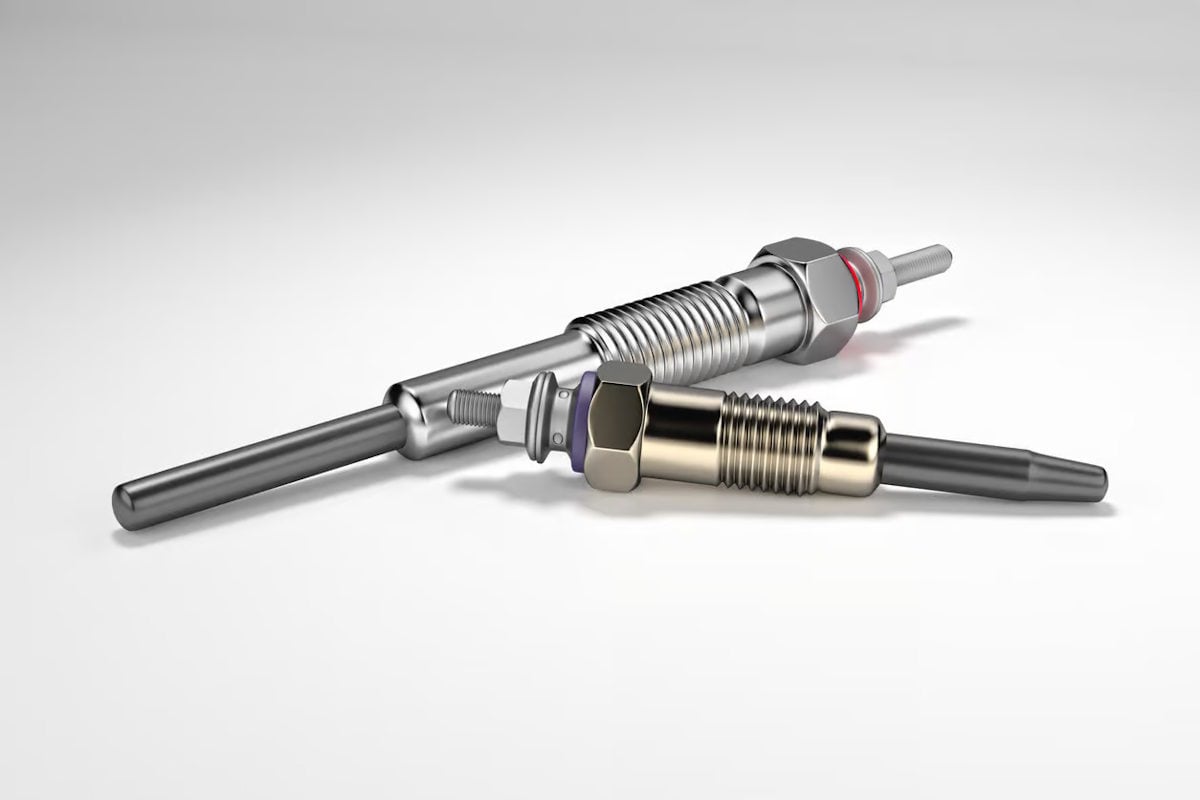
In diesel engines, glow plugs play a crucial role, especially during cold starts. They preheat the combustion chamber to ensure reliable ignition of diesel fuel. In modern vehicles, glow plugs not only make starting easier in low temperatures but also help stabilize engine operation at low RPMs and reduce emissions.
How Often Should Glow Plugs Be Replaced?
One of the most common questions among diesel car owners is: “How often should glow plugs be changed?”
Glow plugs do not have a strictly defined replacement interval. Instead, they are replaced as they wear out. Depending on the plug type and operating conditions, their service life can range from 1 to 5 years.
Select the right glow plugs for your vehicle in the catalogue.
Go to the glow plugs catalogueLifespan of different types of glow plugs:
| Type of Glow Plug | Estimated Lifespan |
|---|---|
| Metal | 50,000 – 80,000 km |
| Ceramic | 100,000 – 160,000 km (in some cases, up to 200,000 km) |
It’s best to consult the vehicle owner’s manual to determine the recommended replacement interval for your specific model. If no exact data is available, it’s reasonable to inspect the glow plugs every 50,000 km, especially before the cold season.
In practice, mileage is not always the key factor — the technical condition of the glow plugs and typical signs of wear often provide a more accurate indication. Their lifespan can be significantly reduced by various operating conditions.
Factors That Reduce the Lifespan of Glow Plugs:
- Frequent Cold Starts. Each cold start is preceded by the active operation of the glow plugs, which heat up to temperatures exceeding 1000 °C. Multiple engine starts throughout the day accelerate wear. This is especially relevant for drivers who make short trips in cold climates.
- Short Trips. During short journeys, glow plugs continue to operate not only during startup but also for a few minutes while driving — providing post-start heating. In modern engines, they also improve fuel combustion and help reduce emissions. Frequent temperature fluctuations accelerate material fatigue and wear.
- Low-Quality Fuel. Poor-quality diesel fuel contains higher levels of contaminants and sulfur, which contribute to carbon buildup on the glow plug tips. This carbon acts as an insulator and can overload the plug. Additionally, impurities may cause corrosion of the heating element, reducing its service life.
- Battery Issues. A weak or partially discharged battery supplies insufficient voltage, preventing glow plugs from reaching the necessary operating temperature. This hampers engine starting, especially in cold conditions. Repeated failed start attempts put additional strain on the plugs and can lead to premature failure.
- Voltage Fluctuations. A faulty alternator, voltage regulator, or loose electrical connections can cause voltage spikes or drops in the vehicle’s electrical system. Overvoltage can lead to overheating of the glow plugs, while undervoltage impairs their performance. Such fluctuations accelerate wear of the heating element.
Signs of Worn-Out Glow Plugs
How can you tell it’s time to replace your glow plugs? Here are the main symptoms:
- Hard starting in cold weather – the engine cranks but doesn’t start, or starts with a noticeable delay.
- Slow engine start, even in mild temperatures.
- Rough engine operation after startup – unstable idle, vibrations during the first few minutes of driving.
- Increased exhaust smoke – white or grey smoke during cold starts.
- Warning light is illuminated or flashing on the dashboard.
- Increased fuel consumption – especially noticeable in winter.
You can find more detailed information about the symptoms of glow plug wear in another of our articles — we explain each symptom and its possible causes there.
Keep in mind: even if diagnostics reveal a fault in just one glow plug, it’s best practice to replace the entire set. This ensures uniform wear and optimal engine performance.
Conclusion
The question of “when should glow plugs be replaced” depends on many factors. Rather than relying solely on mileage, it’s important to watch for symptoms and carry out regular checks — especially before winter.
Timely glow plug replacement is an investment in reliability and driving comfort during cold weather.
Frequently Asked Questions
How often should glow plugs be replaced?
They are usually replaced every 60,000–100,000 km or every 2–3 years. In diesel cars operated in cold climates, the interval may be shorter.
What are the signs of worn glow plugs?
Difficult cold starts, vibrations after starting, white or bluish exhaust smoke, loss of power, and occasional engine error codes.
Is it safe to continue driving with faulty glow plugs?
For a short time — yes, but it worsens starting performance, increases fuel consumption, and may damage the DPF filter or injectors.
Can glow plugs be replaced independently?
Yes, if you have the right tools and some experience. It is crucial to tighten them to the correct torque and avoid damaging the threads — repairs can be very expensive if the threads strip or break.
What affects the lifespan of glow plugs?
Fuel quality, frequent cold starts, battery condition, proper operation of the glow plug relay, and the overall state of the engine.