

Signs of Glow Plug Malfunction in a Diesel Engine
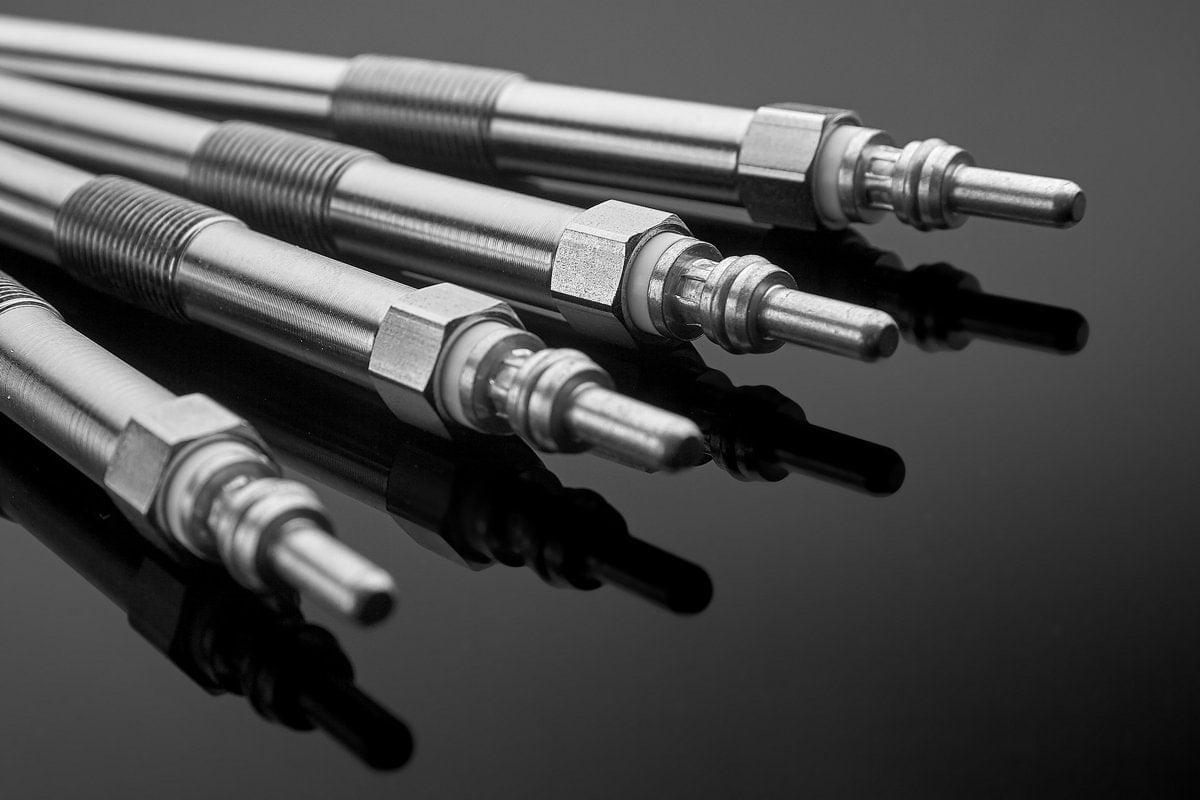
Table of Contents
Glow plugs play a critical role in starting and ensuring the stable operation of a diesel engine. Despite their small size, they are responsible for heating the air inside the cylinders to a temperature high enough to ignite diesel fuel through compression. When glow plugs fail, it has an immediate impact on engine performance.
In this article, we’ll look at the main signs that indicate glow plug failure, explore the reasons why these components break down, and examine the potential consequences of neglecting the issue.
What Are Glow Plugs and Why Are They Important for Diesel Engines?
How Glow Plugs Work
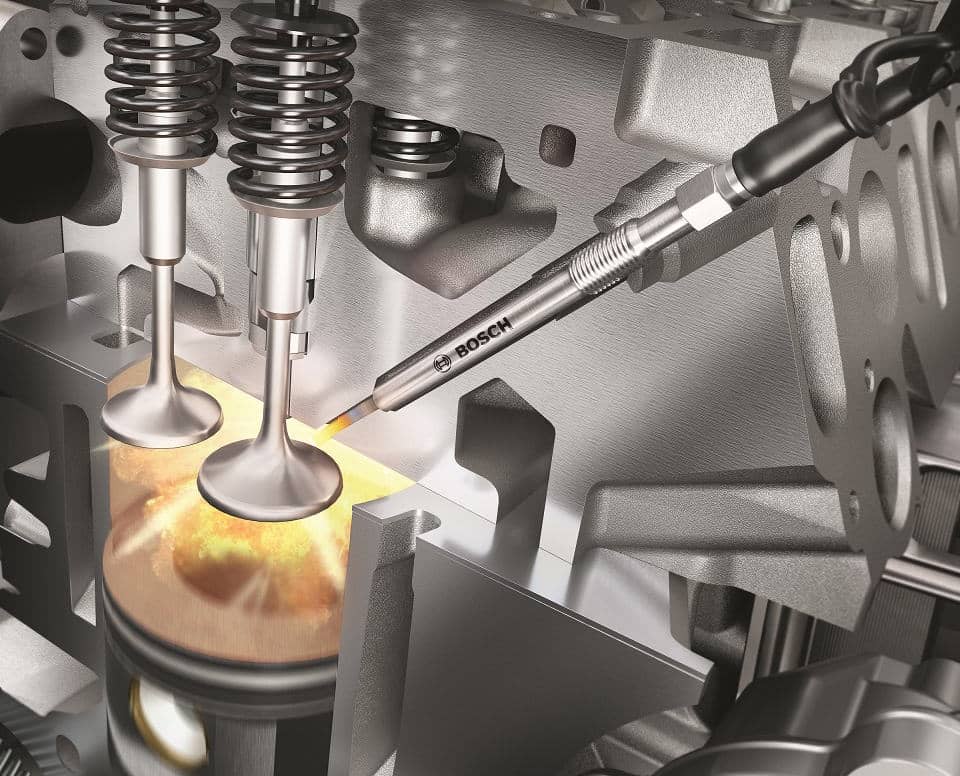
Unlike gasoline engines, which ignite the fuel-air mixture using a spark, diesel engines rely on diesel fuel ignites spontaneously due to high pressure and temperature. However, in cold weather, the air inside the cylinders may not reach the required temperature for combustion. That’s where glow plugs come in.
A glow plug contains a heating element inside a metal body (usually made from a nickel-chrome alloy) that heats up rapidly—reaching around 1000 °C—when electric current is applied. This preheats the air in the combustion chamber, making it possible for the diesel fuel to ignite effectively even in low temperatures.
Why It's Important to Monitor Their Condition
Glow plugs are subject to wear due to extreme heat, pressure, vibrations, and chemical exposure. Even a single malfunctioning plug can significantly affect engine starting and overall stability. Ignoring early signs of failure can not only lead to inconvenience but also accelerate engine wear, reduce its lifespan, and increase fuel consumption.
Symptoms of Faulty Glow Plugs
Glow plug issues often develop gradually. In the early stages, especially in warm weather, a driver might not notice any obvious changes. However, as the plugs deteriorate further, distinct symptoms appear—ones that can no longer be ignored.
Hard Starting, Especially When Cold
The most common and noticeable symptom is difficulty starting the engine when it’s cold. In freezing temperatures, the air inside the cylinders is already too cool, and faulty glow plugs can’t compensate. As a result, the starter motor cranks the engine for an extended time, and the engine may start with a delay or fail to start at all. The colder it gets, the more severe the problem becomes.
Rough Idle
If one or more glow plugs fail, combustion in individual cylinders may become uneven. The driver might notice the engine "misfiring," irregular idling, fluctuating RPMs, or even occasional stalling. These issues are particularly pronounced during the first few minutes after starting the engine.
Increased Fuel Consumption
Although glow plugs are not directly involved in fuel injection, their malfunction can still lead to higher fuel consumption. When the combustion chamber isn’t adequately preheated, diesel fuel doesn’t burn completely, reducing the engine’s efficiency. To maintain the required power output, the system compensates by injecting more fuel than usual.
White or Black Smoke from the Exhaust
One of the visible signs of glow plug failure is abnormal smoke coming from the exhaust pipe. If the glow plug fails to provide sufficient heat in the combustion chamber, the diesel fuel doesn’t burn completely. As a result, white smoke with a distinct smell of unburned fuel may come out of the tailpipe—especially right after startup.
In some cases, especially when the air-fuel mixture is imbalanced, black smoke may appear. This indicates a rich mixture and inefficient combustion, which can also be caused by faulty glow plugs.
Poor Acceleration and Power Loss
Defective glow plugs can cause a noticeable loss of engine power, especially during acceleration or under heavy load. When the fuel doesn’t ignite efficiently, part of the energy is wasted, and the engine struggles to deliver full torque. Drivers may notice sluggish acceleration, poor throttle response, or a general lack of power while driving.
Warning Light on the Dashboard
Many modern vehicles are equipped with glow plug system diagnostics. If one or more plugs fail, a warning light usually appears on the dashboard—often in the shape of a coil. Sometimes, the general “Check Engine” light may also come on. In any case, this is a clear sign that the system needs attention and diagnostic inspection.
Possible Causes of Glow Plug Failure
Glow plugs operate under extremely harsh conditions—they are regularly exposed to high temperatures, pressure, vibrations, and a chemically aggressive environment. It’s no surprise that they eventually fail. Below are the main reasons why glow plugs can stop functioning properly.
Natural Wear and Carbon Build-Up (Soot Deposits)
Like any other component, glow plugs have a limited service life. Over time, carbon deposits form on their surface as a result of incomplete combustion. This residue reduces heat transfer and lowers heating efficiency. Additionally, the internal coil may degrade over time and fail to reach operating temperature.
Overheating and Coil Damage
If a glow plug overheats, its heating coil can deform, crack, or break completely. This often occurs due to issues with the injection system—for example, if fuel is injected too early. Overheating can also result from overvoltage or a sticking glow plug relay. A damaged coil no longer performs its function and may even cause a short circuit.
Fuel Delivery or Injector Problems
Malfunctions in the fuel injectors—such as leaks, poor sealing, or contamination—can indirectly lead to glow plug failure. If fuel comes into contact with the glow plug, it can cause localized overheating and faster carbon build-up. Moreover, an uneven spray pattern can result in irregular cylinder heating, putting additional stress on the plug.
Voltage Spikes and Electrical System Faults
Glow plugs are powered directly by the vehicle’s electrical system. Issues such as voltage spikes, defective relays, damaged wiring, or loose connectors can cause unstable operation or even damage the plugs. Short periods of overvoltage are especially harmful, as they can damage the insulation and destroy the heating element.
Incorrect Installation or Overtightening During Replacement
When replacing glow plugs, it’s important to follow the manufacturer’s recommended tightening torque. Excessive force can damage the threads, deform the plug body, or even break the plug itself. It’s also crucial to properly clean the mounting surface—any dirt, debris, or metal particles can prevent proper contact and reduce heat efficiency, which may lead to premature failure.

Conclusion
Faulty glow plugs are more than just a nuisance when starting a diesel engine. They pose a real risk of increased fuel consumption, unstable engine operation, and potential damage to other components. If you notice any of the symptoms described above, don’t delay diagnostics. The sooner the issue is identified, the easier and more affordable it will be to fix.
If you need to replace glow plugs, choose reliable, high-quality parts from trusted manufacturers. We’ve selected top-rated products for you from leading brands.
Select the right glow plugs for your vehicle in the catalogue.
Go to the glow plugs catalogueFrequently Asked Questions
What symptoms indicate faulty glow plugs?
Difficulty starting the engine when cold, smoke from the exhaust during startup, unstable idle speed, and a long time before the engine runs smoothly.
Why do glow plugs fail?
Wear caused by frequent cold starts, poor fuel quality, corrosion, as well as issues with wiring or the glow plug relay can lead to glow plug failure.
Can you drive with faulty glow plugs?
It is possible for a short period, but it worsens cold starts, increases fuel consumption, and may cause additional wear to other engine components.
How can you accurately determine if the glow plugs are faulty?
Diagnostics are required: measuring the resistance of the glow plugs, checking the relay and voltage at the terminals, and evaluating startup behavior and idle engine operation.
What should you do if the glow plugs are not working?
It is recommended to replace all faulty glow plugs and, if necessary, the glow plug relay to ensure reliable cold starting of the diesel engine.