

Parallel Parking: Complete Guide
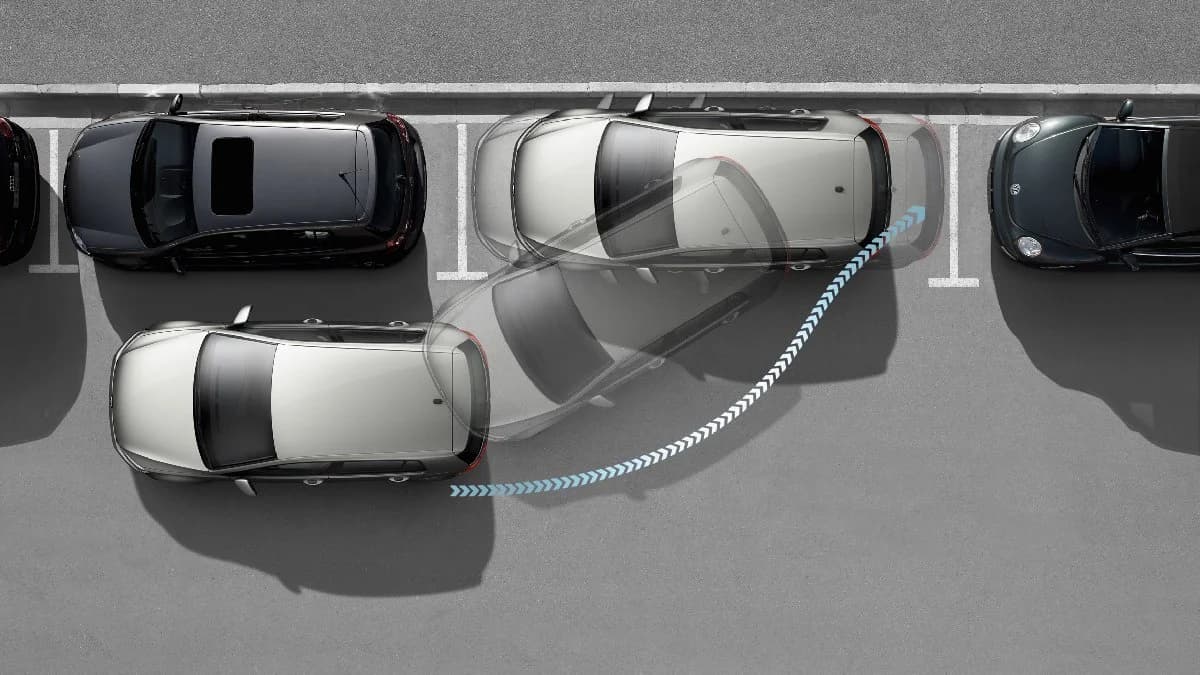
Table of Contents
Have you ever driven an extra few hundred meters searching for an "easier" parking spot just to avoid parallel parking? You're not alone—this maneuver often causes anxiety, even among experienced drivers. However, contrary to popular belief, it's not rocket science. It's a skill that can be developed with the right techniques and consistent practice. In our guide, we’ll show you how to turn the stress of parking into a routine task you can perform with complete confidence.
What Is Parallel Parking?
Parallel parking is a maneuver in which a vehicle is positioned parallel to the road axis, usually between two parked cars. It requires precision, a good sense of spatial awareness, and effective steering skills. The key is to maintain the proper distance from the curb and other vehicles, ensuring a safe execution of the maneuver and allowing for easy departure.
There are two primary methods to perform this maneuver: parking in reverse and parking forward. Each technique has its advantages and is suited to different situations. In the following sections, we’ll take a closer look at each method so you can choose the one that works best for you.
Once you master the basic steps, you’ll find that this seemingly difficult maneuver becomes a natural part of your daily driving routine.
Step-by-Step Guide to Parallel Reverse Parking
The most effective method for parallel parking is reversing into the spot. Here is a detailed step-by-step guide to performing this maneuver:
- Adjust the Side Mirrors: Before starting, ensure the side mirrors are correctly positioned to show the sides and rear corners of your vehicle.
- Find an Appropriate Parking Spot: Look for a space that is approximately 1.5–2 meters longer than your vehicle.
- Position Your Vehicle: Align your car parallel to the one in front of the desired parking space, maintaining a distance of about 60 cm (the width of a sidewalk).
- Signal Early: Activate your turn signal well in advance to alert other drivers of your intent to park. Double-check the side mirrors to ensure no vehicles are approaching from behind and that you have enough space for the maneuver.
- Begin Reversing: Start backing up. When your car’s rear axle aligns with the rear end of the parked car, turn the steering wheel fully toward the curb.
- Angle the Entry: Continue reversing at an angle of approximately 45 degrees.
- Straighten the Wheel: When you see the rear corner of the car behind you in your left mirror, begin straightening the steering wheel.
- Final Adjustment: Make any necessary corrections to position your car parallel between the two parked vehicles.

Parking scheme
Parking video
Parallel Parking Forward
Forward parallel parking is less commonly used because it requires more space and can be more challenging to execute. However, in certain circumstances, it can be helpful. Here’s how to perform this maneuver:
- Align your car parallel to the parked vehicle.
- Turn the steering wheel fully toward the parking spot. The tighter the parking space the sharper the turn required.
- Drive forward slowly maintaining control of the distance between your car and surrounding vehicles.
- Once your front bumper aligns with the rear bumper of the parked car and your vehicle is at an angle of approximately 45 degrees to the curb start turning the wheel in the opposite direction.
- Perform any necessary corrections to position your car parallel to the curb.
Though this method may not be the easiest mastering it can prove beneficial in certain parking situations
Parking video
How to Make Parking Easier
Remember, there is no need to rush — it is better to perform the maneuver calmly, precisely, and safely, even if it takes more time. Do not give in to pressure from other drivers. If you do not feel confident, you can practice parking in an empty lot or a less busy area.
Contemporary technology offers many solutions to simplify parking. The most useful include:
- Parking Sensors. These devices provide audible and visual alerts about the distance to obstacles, often with varying signal frequencies depending on proximity. They are particularly helpful for gauging the distance from the curb.
- Reversing Camera. Displays a clear image of the space behind the vehicle, complete with guide lines that indicate the anticipated path based on the current steering wheel position.
- 360-Degree Camera System. Offers a bird’s-eye view of the vehicle's surroundings, allowing for precise assessment of the car's position relative to parking lines and nearby vehicles.
- Parking Assistant. The most advanced system, capable of detecting suitable parking spaces and taking control of the steering wheel. The driver only needs to operate the gas and brake pedals as directed by the system.
Safety is paramount — limited visibility while reversing demands extra caution.
Summary
Parallel parking is a skill that can be mastered through regular practice and understanding of the basic principles.
Improper parking can result in fines ranging from 100 to even 800 PLN, and if your vehicle is towed, the costs will be even higher.
The key is to remain calm, follow designated lines, and make proper use of side mirrors. Remember, every driver once started with the basics, and practice makes perfect. It’s also worth utilizing available assistance systems, which can significantly simplify this maneuver.
Frequently Asked Questions
What is parallel parking?
Parallel parking is a maneuver in which a vehicle is positioned parallel to the edge of the road between two already parked cars. This method helps efficiently use limited parking space on city streets.
How do you perform parallel parking step by step?
The basic method is reverse parking: find a suitable space, align your vehicle parallel to the car in front, activate the turn signal, begin reversing, and turn the steering wheel at the right moment to enter the space. Then straighten the wheels and adjust the vehicle’s position.
What mistakes do drivers most often make during parallel parking?
The most common mistakes include choosing an unsuitable space that is too narrow, turning the steering wheel too early or too late, insufficient observation of the surroundings through the mirrors, and performing the maneuver too quickly or hesitantly. Practice and staying calm help reduce these errors.