

Tyre Load Index — What It Is and Why It Matters
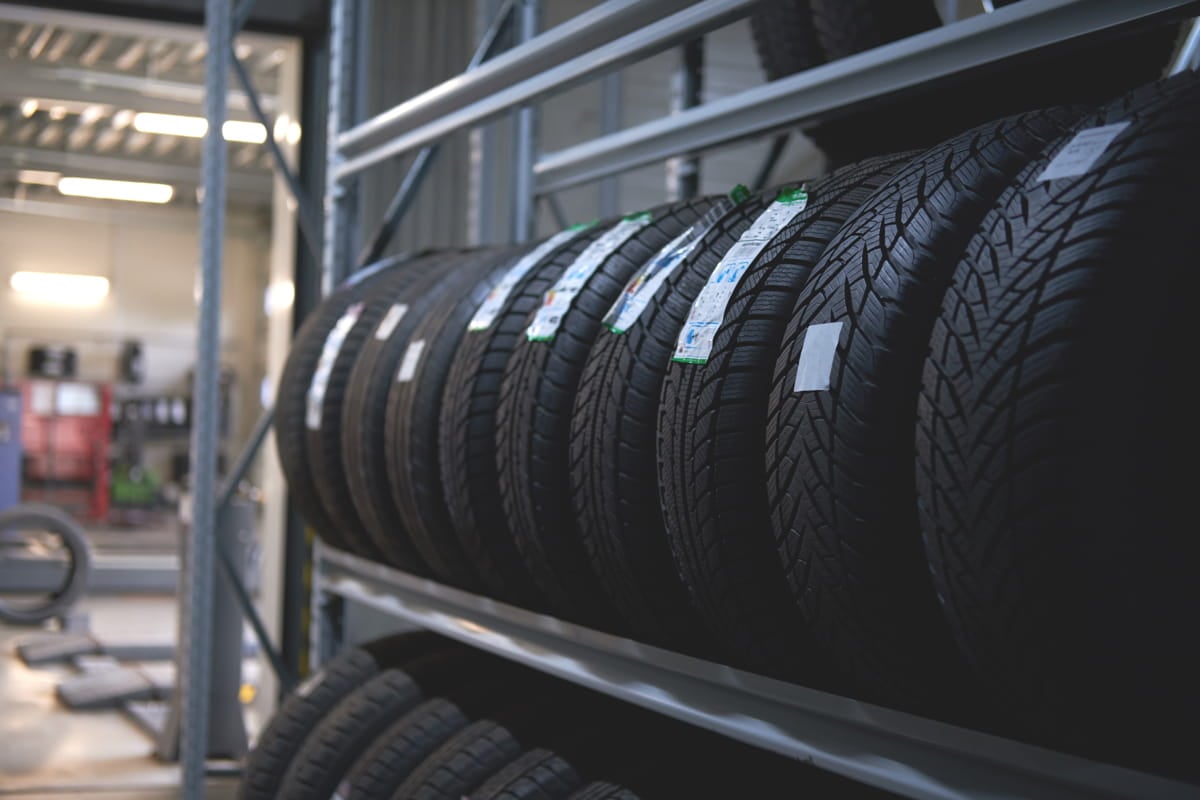
The load index is one of the tyre parameters that often receives less attention than size or the presence of studs. However, it plays a crucial role in driving safety and tyre longevity. In fact, it’s just as important, directly affecting both the safety and lifespan of your tyres.
Table of Contents
What Does the Tyre Load Index Mean?
The tyre load index (represented by a number) indicates the maximum load that a single tyre can safely carry. You can find this information on the sidewall of the tyre — usually located right before the speed rating. For example, in the marking 205/55 R16 91H, the number 91 means the tyre can carry a maximum load of 615 kg.
The higher the index number, the greater the load the tyre can safely support. For your convenience, we've included a detailed table below to help interpret these values.

Tyre Load Index Table for Passenger Vehicles
The table below shows tyre load index values and their corresponding maximum load capacities in kilograms for tyres used on passenger cars:
| Index | Maximum Load (kg) | Index | Maximum Load (kg) |
|---|---|---|---|
| 70 | 335 | 88 | 560 |
| 71 | 345 | 89 | 580 |
| 72 | 355 | 90 | 600 |
| 73 | 365 | 91 | 615 |
| 74 | 375 | 92 | 630 |
| 75 | 387 | 93 | 650 |
| 76 | 400 | 94 | 670 |
| 77 | 412 | 95 | 690 |
| 78 | 425 | 96 | 710 |
| 79 | 437 | 97 | 730 |
| 80 | 450 | 98 | 750 |
| 81 | 462 | 99 | 775 |
| 82 | 475 | 100 | 800 |
| 83 | 487 | 101 | 825 |
| 84 | 500 | 102 | 850 |
| 85 | 515 | 103 | 875 |
| 86 | 530 | 104 | 900 |
| 87 | 545 | 105 | 925 |
Tyre Load Index for Commercial Vehicles — Table and Interpretation
| Index | Maximum Load (kg) | Index | Maximum Load (kg) | Index | Maximum Load (kg) | Index | Maximum Load (kg) | Index | Maximum Load (kg) | Index | Maximum Load (kg) |
|---|---|---|---|---|---|---|---|---|---|---|---|
| 106 | 950 | 135 | 2180 | 164 | 5000 | 193 | 11500 | 222 | 26500 | 251 | 61500 |
| 107 | 975 | 136 | 2240 | 165 | 5150 | 194 | 11800 | 223 | 27250 | 252 | 63000 |
| 108 | 1000 | 137 | 2300 | 166 | 5300 | 195 | 12150 | 224 | 28000 | 253 | 65000 |
| 109 | 1030 | 138 | 2360 | 167 | 5450 | 196 | 12500 | 225 | 29000 | 254 | 67000 |
| 110 | 1060 | 139 | 2430 | 168 | 5600 | 197 | 12850 | 226 | 30000 | 255 | 69000 |
| 111 | 1090 | 140 | 2500 | 169 | 5800 | 198 | 13200 | 227 | 30750 | 256 | 71000 |
| 112 | 1120 | 141 | 2575 | 170 | 6000 | 199 | 13200 | 228 | 31500 | 257 | 73000 |
| 113 | 1150 | 142 | 2650 | 171 | 6150 | 200 | 13600 | 229 | 32500 | 258 | 75000 |
| 114 | 1180 | 143 | 2725 | 172 | 6300 | 201 | 14000 | 230 | 33500 | 259 | 77500 |
| 115 | 1215 | 144 | 2800 | 173 | 6500 | 202 | 14500 | 231 | 34500 | 260 | 80000 |
| 116 | 1250 | 145 | 2900 | 174 | 5700 | 203 | 15000 | 232 | 35500 | 261 | 82500 |
| 117 | 1285 | 146 | 3000 | 175 | 5900 | 204 | 15500 | 233 | 36500 | 262 | 85000 |
| 118 | 1320 | 147 | 3075 | 176 | 7100 | 205 | 16000 | 234 | 37500 | 263 | 87500 |
| 119 | 1360 | 148 | 3150 | 177 | 7300 | 206 | 16500 | 235 | 38750 | 264 | 90000 |
| 120 | 1400 | 149 | 3250 | 178 | 7500 | 207 | 17000 | 236 | 40000 | 265 | 92500 |
| 121 | 1450 | 150 | 3350 | 179 | 7750 | 208 | 17500 | 237 | 41250 | 266 | 97500 |
| 122 | 1500 | 151 | 3450 | 180 | 8000 | 209 | 18500 | 238 | 42500 | 267 | 97500 |
| 123 | 1550 | 152 | 3550 | 181 | 8250 | 210 | 19000 | 239 | 43750 | 268 | 100000 |
| 124 | 1600 | 153 | 3650 | 182 | 8500 | 211 | 19500 | 240 | 45000 | 269 | 103000 |
| 125 | 1650 | 154 | 3750 | 183 | 8750 | 212 | 20000 | 241 | 46250 | 270 | 106000 |
| 126 | 1700 | 155 | 3875 | 184 | 9000 | 213 | 20600 | 242 | 47500 | 271 | 109000 |
| 127 | 1750 | 156 | 4000 | 185 | 9250 | 214 | 21200 | 243 | 48750 | 272 | 112000 |
| 128 | 1800 | 157 | 4125 | 186 | 9500 | 215 | 21800 | 244 | 50000 | 273 | 115000 |
| 129 | 1850 | 158 | 4250 | 187 | 9750 | 216 | 22400 | 245 | 51500 | 274 | 118000 |
| 130 | 1900 | 159 | 4375 | 188 | 10000 | 217 | 23000 | 246 | 53000 | 275 | 121000 |
| 131 | 1950 | 160 | 4500 | 189 | 10300 | 218 | 23600 | 247 | 54500 | 276 | 125000 |
| 132 | 2000 | 161 | 4625 | 190 | 10600 | 219 | 24300 | 248 | 56000 | 277 | 128500 |
| 133 | 2060 | 162 | 4750 | 191 | 10900 | 220 | 25000 | 249 | 58000 | 278 | 132000 |
| 134 | 2120 | 163 | 4875 | 192 | 11200 | 221 | 25750 | 250 | 60000 | 279 | 136000 |
It’s important to keep in mind that tyre load index values include a built-in safety margin provided by manufacturers during the tyre design process. However, this should not be seen as a guarantee of safety during continuous operation at maximum load.
Also note that the load index does not directly correspond to a specific mass — there is no universal conversion formula. Therefore, when selecting tyres, it’s best to refer to the load index table shown above.
How to Choose the Right Load Index and How to Calculate It
To select the correct load index, you need to take into account the actual weight of the vehicle and any potential additional load (passengers, luggage, cargo).
Here is a simple way to estimate the required index:
- Distribute the vehicle’s weight across four tyres
For example, if the vehicle weighs 1500 kg:
11500 kg ÷ 4 = 375 kg per tyre. - Include a safety margin
To ensure durability (for instance, when driving fully loaded), it’s recommended to increase the value by 15–20%:
375 кг × 1,2 ≈ 450 kg.
This means the tyre should support at least 450 kg. According to the table, this corresponds to a load index of 80. However, this is already close to the maximum allowed load for the tyre — it will be operating near its limits.
That’s why it’s a good idea to consider a slightly higher load index. For a 1500 kg vehicle, tyres with an index of 82 or above would be a safer choice. If you often drive with passengers and a full trunk, it’s advisable to look at index 84–86. This will offer better safety and extend the lifespan of your tyres.
What Happens If You Fit Tyres with the Wrong Load Index?
Choosing the wrong load index can lead to serious consequences in terms of both safety and tyre durability. There are two typical scenarios:
Too Low Load Index:
- Tyres will operate at the limits of their capacity.
- There's an increased risk of overheating and damage, including tyre blowouts.
- Tread wear will accelerate significantly.
- Vehicle handling may deteriorate, especially when fully loaded.
- Braking distance will increase, reducing overall safety.
Too High Load Index:
- Tyres may be excessively stiff, which can reduce ride comfort.
- Rolling resistance increases, potentially leading to higher fuel consumption.
- If the load is too light (e.g., on a small vehicle), grip may be compromised.
Conclusion
The tyre load index indicates the maximum load a single tyre can carry. It’s a key parameter that directly affects driving safety and vehicle reliability. When choosing new tyres, always pay attention to the load index and refer to the table to ensure the tyres meet your vehicle’s requirements.
Ignoring this specification can negatively impact both safety and driving comfort.
Where to Buy Quality Tyres?
You’ll find a wide selection of tyres with the appropriate load index at 2407.pl — our online store.
We offer products from leading global brands and fast delivery across Poland. If needed, our experts will be happy to help you choose the optimal tyres based on both load index and speed rating.
Frequently Asked Questions
What is the tire load index?
The load index is a numerical code on the tire indicating the maximum weight it can carry at the correct pressure.
Why is the load index important when choosing tires?
If you choose tires with too low a load index, they may wear out faster, overheat, and cause unsafe vehicle behavior under load.
How can I find the correct load index for my vehicle?
The appropriate load index is specified in the vehicle’s technical documentation or on the sticker inside the door frame — always rely on these values.
Can tires with a higher load index than recommended be used?
Yes — it is safe and even beneficial: the tire will be stronger and more durable, especially when the vehicle is heavily loaded.
What are the risks of using tires with a low load index?
This may lead to accelerated wear, reduced stability, increased risk of tire damage, and poorer handling under load.