

Tire Speed Rating – What Is It?
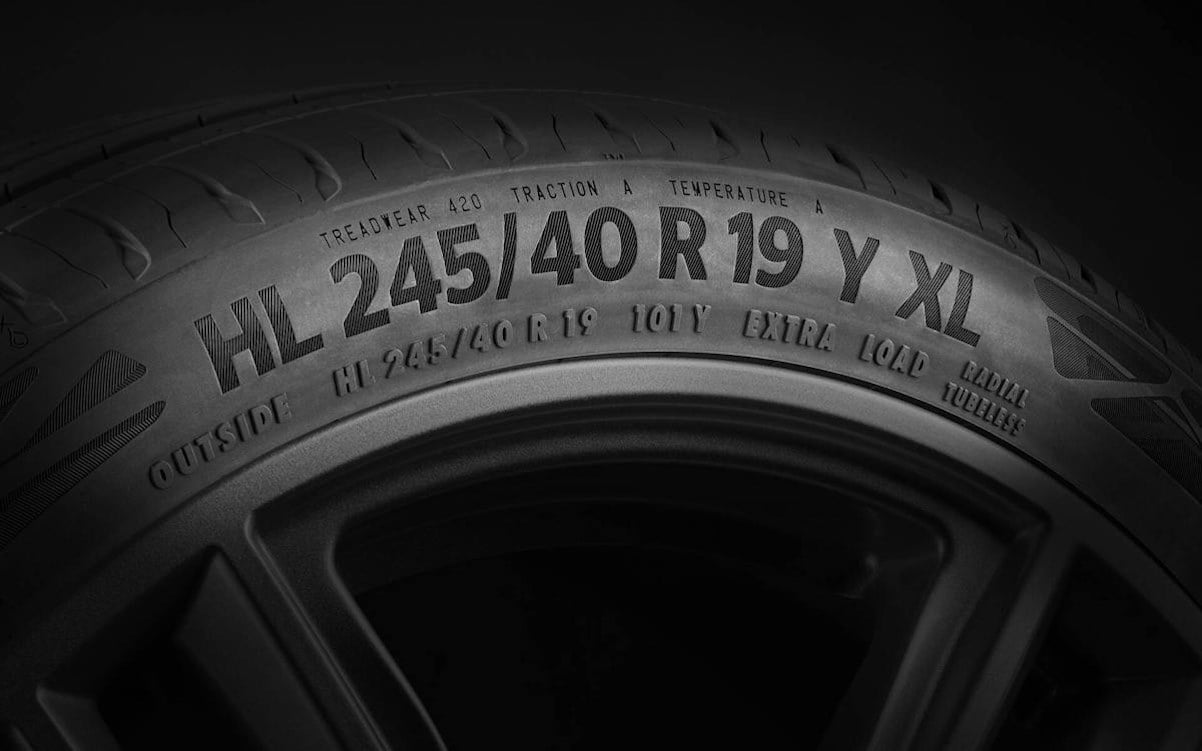
Table of Contents
Many drivers tend to focus more on the tire size or whether the tires are studded, paying little attention to the speed rating. However, this is an equally important parameter that directly affects both driving safety and comfort.
What Does the Tire Speed Rating Mean?
The speed rating indicates the maximum speed at which a tire can be safely operated. In the international classification system, it is represented by a Latin letter. The further the letter is from “A,” the higher the allowable speed.
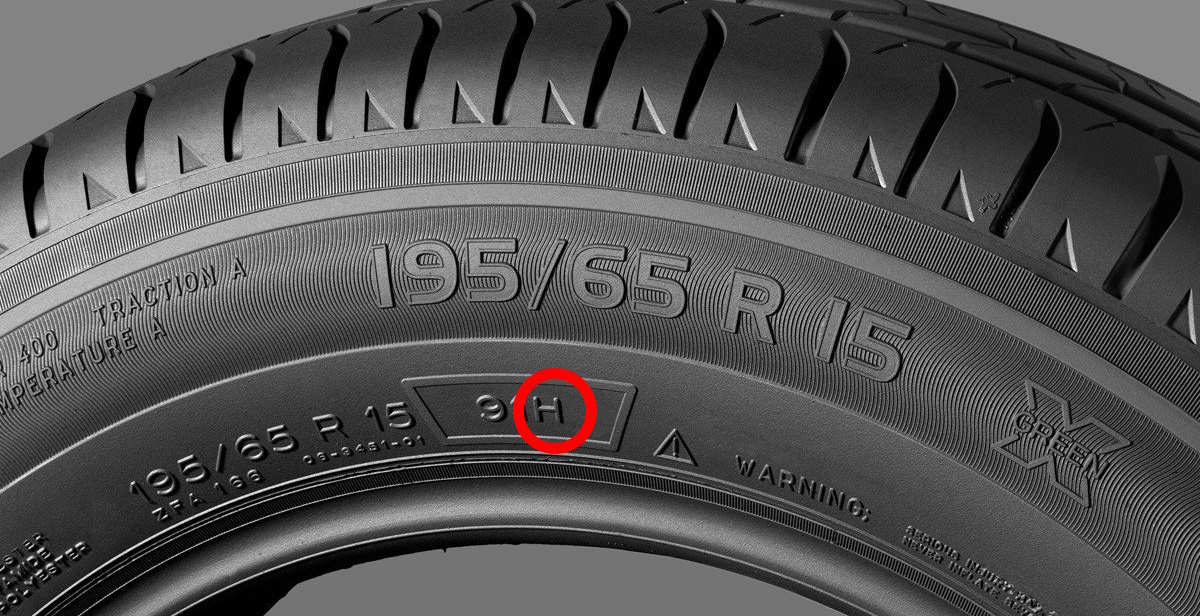
This rating is usually found on the tire’s sidewall, right after the load index. For example, in the marking 195/65 R15 91H, the letter H means the tire is rated for a maximum speed of up to 210 km/h (see the table below for more details).
Tire Speed Rating Chart: Explanation of Symbols
Below is a table of speed rating symbols along with their corresponding maximum allowable speeds:
| Symbol | Max Speed (km/h) | Symbol | Max Speed (km/h) |
|---|---|---|---|
| G | 90 | S | 180 |
| J | 100 | T | 190 |
| K | 110 | U | 200 |
| L | 120 | H | 210 |
| M | 130 | V | 240 |
| N | 140 | VR | >210 |
| P | 150 | W | 270 |
| Q | 160 | Y | 300 |
| R | 170 | ZR | >240 |
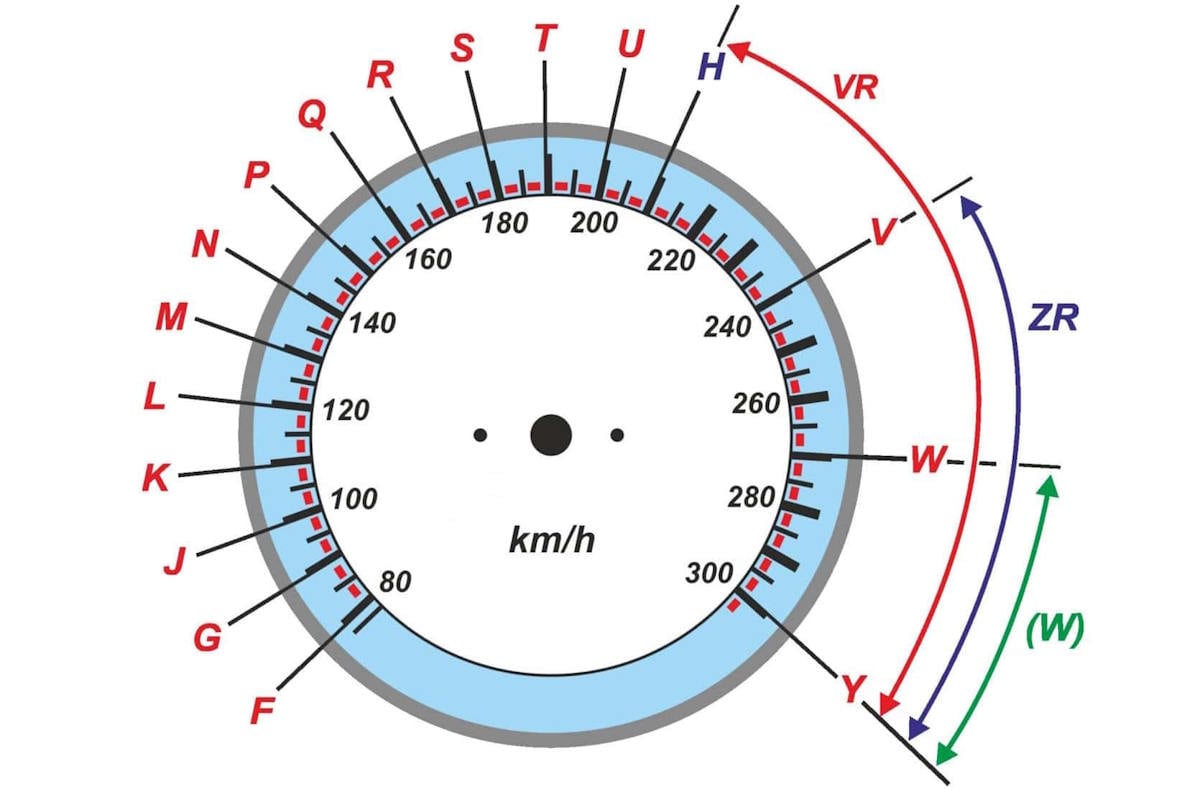
Tire speed designations: infographic.
Tire Speed Rating: What You Should Know
When specifying a tire's speed rating, manufacturers build in a certain safety margin. This means that a short-term exceedance of the indicated limit won’t immediately destroy the tire. However, it's important to remember that driving beyond the rated speed can negatively impact handling, increase braking distance, and reduce road grip — all of which directly affect driving safety.
These ratings are based on new tires and ideal road conditions. In everyday use, it’s recommended not to exceed the indicated speed rating by more than 10–15%.
The table also includes double-letter symbols such as VR or ZR. These tires are designed for driving at very high speeds that exceed standard limits.
Should You Choose Tires with the Highest Speed Rating?
When selecting tires, many drivers wonder whether it's worth opting for the highest speed rating available. In reality, it all depends on how you use your vehicle.
If you primarily drive on public roads where speed limits apply, it’s advisable to choose tires with a speed rating that matches — or closely approaches — your vehicle’s top speed. There's no need to overpay for tires rated at 270 or 300 km/h if you never intend to drive that fast.
On the other hand, if you plan to drive on a racetrack or participate in motorsports, then tires with a higher speed rating are the appropriate choice.
It’s also worth noting that high-speed-rated tires are often made from softer rubber compounds that provide better road grip, but they tend to wear out faster. For instance, V-rated tires typically wear out more quickly than T-rated ones under similar driving conditions.
Speed Rating – Key Recommendations
- It is not recommended to use tires with a speed rating lower than the one specified by the vehicle manufacturer in the factory documentation.
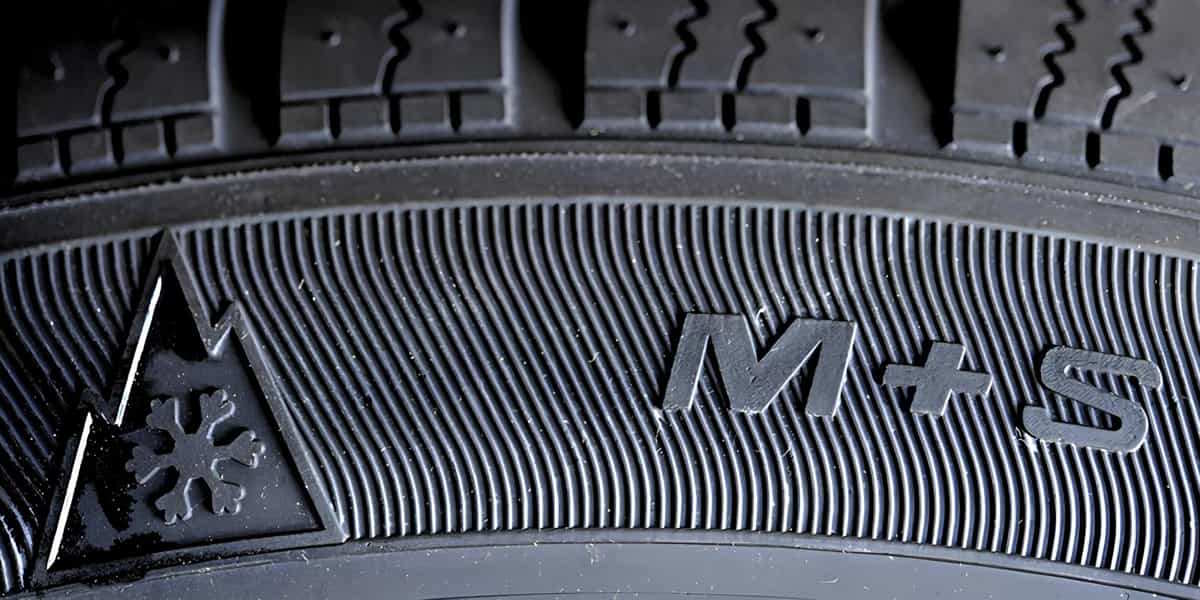
- It is also not advisable to use winter tires with a reduced speed rating, even if they are marked with the "snowflake" symbol or M+S. The M+S marking (Mud and Snow) indicates that the tire is suitable for use in challenging winter conditions. However, not all tires with this marking meet the requirements of true winter tires unless accompanied by the snowflake symbol.
Conclusion
The speed rating is an important factor that affects both driving safety and tire longevity. As mentioned earlier, when choosing tires, it's essential to consider not only their size but also the speed rating, which should match your driving style.
Choosing the right speed rating helps strike the right balance between safety, performance, and tire durability.
Where to Buy Quality Tires?
If you're looking for a trusted place to purchase high-quality tires with the appropriate speed rating, visit the online store 2407.PL. Our catalog features products from well-known manufacturers, and our specialists will be happy to help you choose the right model.
We offer a wide selection and fast delivery across Poland.
FAQ
What does speed rating H mean?
The letter H indicates the tire is rated for speeds up to 210 km/h.
What does speed rating V mean?
The V rating means the tire can be used at speeds up to 240 km/h.
What does speed rating T mean?
T indicates a maximum allowable speed of 190 km/h.
What does speed rating W mean?
The W rating refers to a speed limit of 270 km/h.
What does speed rating R mean?
The letter R in the speed index indicates a limit of 170 km/h.
What does speed rating Y mean?
The Y rating means the tire is suitable for speeds up to 300 km/h.
What does speed rating Q mean?
A Q-rated tire can be used at speeds up to 160 km/h.
What does speed rating S mean?
The S index indicates a maximum allowable speed of 180 km/h.
What does ZR marking on a tire mean?
The ZR marking indicates that the tire is designed for speeds over 240 km/h. Often, an additional symbol clarifies the specific limit: ZR (W) — up to 270 km/h, ZR (Y) — up to 300 km/h.