

Signs of Worn Valve Stem Seals
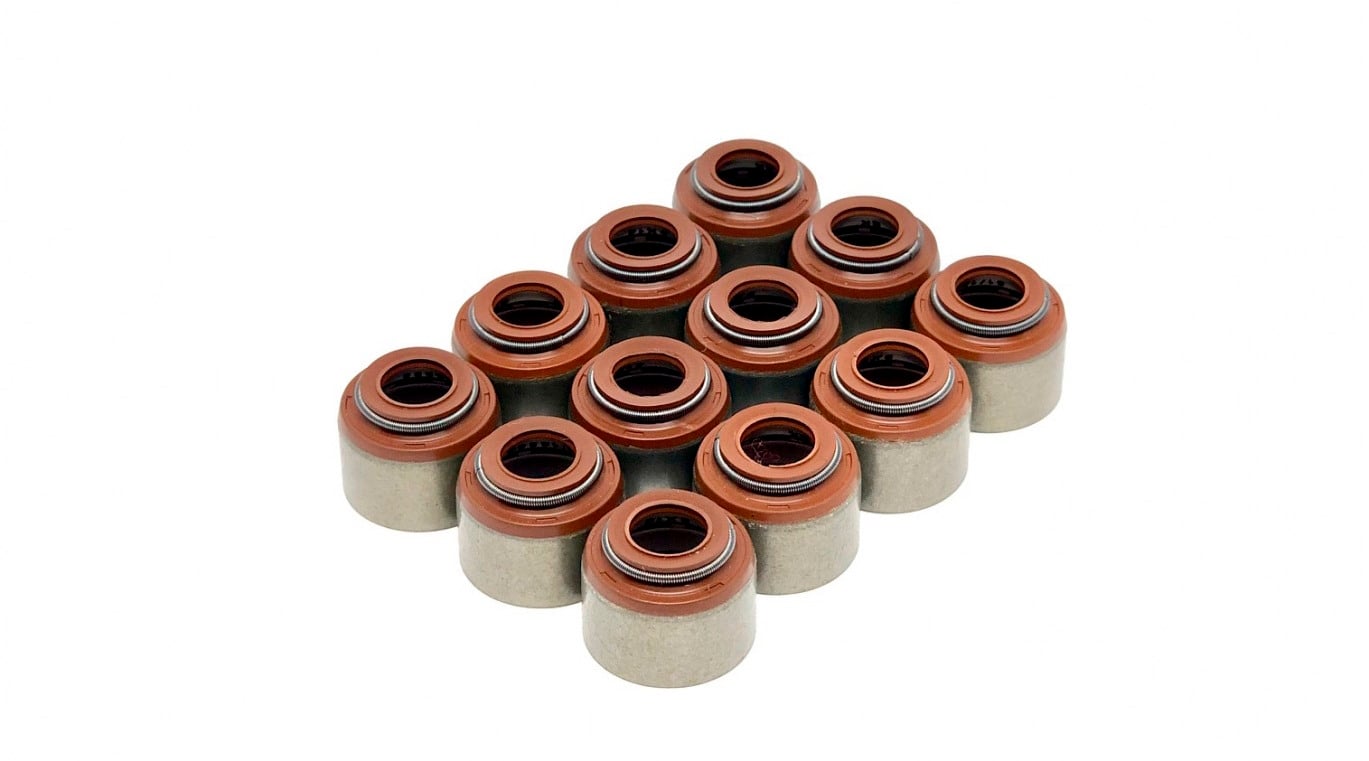
Table of Contents:
What Are Valve Stem Seals and Why Are They Important?
Valve stem seals are small sealing components installed on engine valves. Their main function is to maintain the correct amount of oil on the valve stems, ensuring proper lubrication while preventing oil from entering the combustion chamber.
Over time, these seals wear out, lose elasticity, and harden. As a result, engine oil can leak into the combustion chamber and burn together with the air-fuel mixture. This often leads to a characteristic bluish exhaust smoke, along with other noticeable symptoms.
It is important to detect this issue as early as possible. What may initially seem like a minor fault can eventually lead to serious and costly engine damage. In most cases, worn valve stem seals result in increased oil consumption, visible blue exhaust smoke, and a decline in overall engine performance.
Main Symptoms of Worn Valve Stem Seals
Typically, worn valve stem seals present several symptoms at once — the most common ones are listed below.
Symptom | Cause | Consequences | Diagnostic Method |
Bluish Smoke from the Exhaust | Oil leaking down the valve stems into the combustion chamber burns together with the air-fuel mixture, giving the exhaust gases a characteristic bluish tint. | Burning oil leads to carbon deposits, which may cause piston rings to stick and reduce valve sealing efficiency. In advanced cases, it can even result in valve damage. A low oil level also increases the risk of engine seizure. | Start the engine after a period of inactivity (2–3 hours or overnight) and observe the exhaust during the first seconds. You can also sharply press the accelerator while idling — a brief appearance of bluish smoke indicates worn valve stem seals. |
Carbon Deposits on Spark Plugs and Oily Threads | Excess oil in the combustion chamber settles on the spark plugs and may also appear on their threads. | This negatively affects spark generation, leading to less efficient combustion of the air-fuel mixture. The engine may run rough, resulting in increased fuel consumption and reduced performance. | Remove the spark plugs and inspect the electrodes and threads for oil contamination and carbon buildup. |
Increased Oil Consumption | Through worn seals, oil enters the combustion chamber and burns together with the fuel mixture. | This leads to a drop in oil level, reduced engine lubrication, and the buildup of carbon deposits in the cylinders and exhaust system. Significant oil consumption can eventually cause serious engine damage. | It is recommended to regularly check the oil level, especially in high-mileage engines. If the seals are worn, oil consumption will be noticeably higher than before. |
Difficult Cold Start | Oil draining from the cylinder head accumulates on the valves and in the combustion chamber, which can worsen ignition conditions. Oil-contaminated spark plugs work less efficiently, making engine start more difficult. | This increases the load on the battery and starter motor, accelerates spark plug fouling, and unburned oil residues may speed up wear of the catalytic converter and oxygen sensors. | During a cold start, pay attention to whether the engine cranks longer than usual before starting. |
Bluish Smoke from the Oil Filler Cap | Increased crankcase pressure can cause visible smoke or vapors when the oil filler cap is opened. | This may indicate excessive engine wear or issues with the crankcase ventilation system. | With the engine running, carefully unscrew the oil filler cap and check for excessive blow-by gases or visible smoke (a small amount of vapor is acceptable). |
If signs of worn valve stem seals appear, it is important to confirm the cause through proper diagnostics as soon as possible. The presence of a single symptom does not always clearly indicate a valve stem seal failure. However, if several signs occur at the same time — for example, bluish exhaust smoke after engine start, increased oil consumption, and no visible external leaks — this is a clear indication to check the condition of the valve stem seals. If these symptoms persist and become more pronounced over time, it is advisable to carry out a thorough inspection to accurately determine the cause and prevent more serious consequences.
Choose the right valve stem seals for your vehicle in the catalog.
Valve Stem Seals CatalogConclusion
Worn valve stem seals most commonly manifest as bluish exhaust smoke, increased oil consumption, and signs of oil burning. A particularly typical symptom is smoke that appears after prolonged parking and immediately after starting the engine. The earlier the issue is identified, the lower the risk of damage and additional repair costs. However, the final diagnosis should always be confirmed through proper diagnostics.
FAQ: symptoms of worn valve stem seals
How can you tell if valve stem seals are worn?
The most common signs include bluish smoke from the exhaust, increased oil consumption, carbon deposits on spark plugs, difficult cold starts, and signs of oil burning without visible external leaks.
Why does blue smoke appear when valve stem seals are worn?
When the seals lose elasticity, oil begins to enter the combustion chamber along the valve stems. There it burns together with the air-fuel mixture, giving the exhaust a characteristic bluish color.
Can worn valve stem seals cause increased oil consumption?
Yes, this is one of the main symptoms. Oil leaks past worn seals into the cylinders and burns off, causing the oil level to gradually drop even if there are no visible external leaks.
How to distinguish worn valve stem seals from other engine issues?
A typical sign is blue smoke after a long parking period, during engine startup, or after a sudden throttle input at idle. However, proper diagnosis is required, as similar symptoms can also be caused by other issues such as worn piston rings.
Is it safe to drive with worn valve stem seals?
No, it is not recommended to delay repairs. Continuous oil burning leads to carbon buildup, fouled spark plugs, reduced engine performance, and increases the risk of serious damage, including to valves, the catalytic converter, and other components.