

Signs of a Blown Head Gasket: How to Identify the Problem
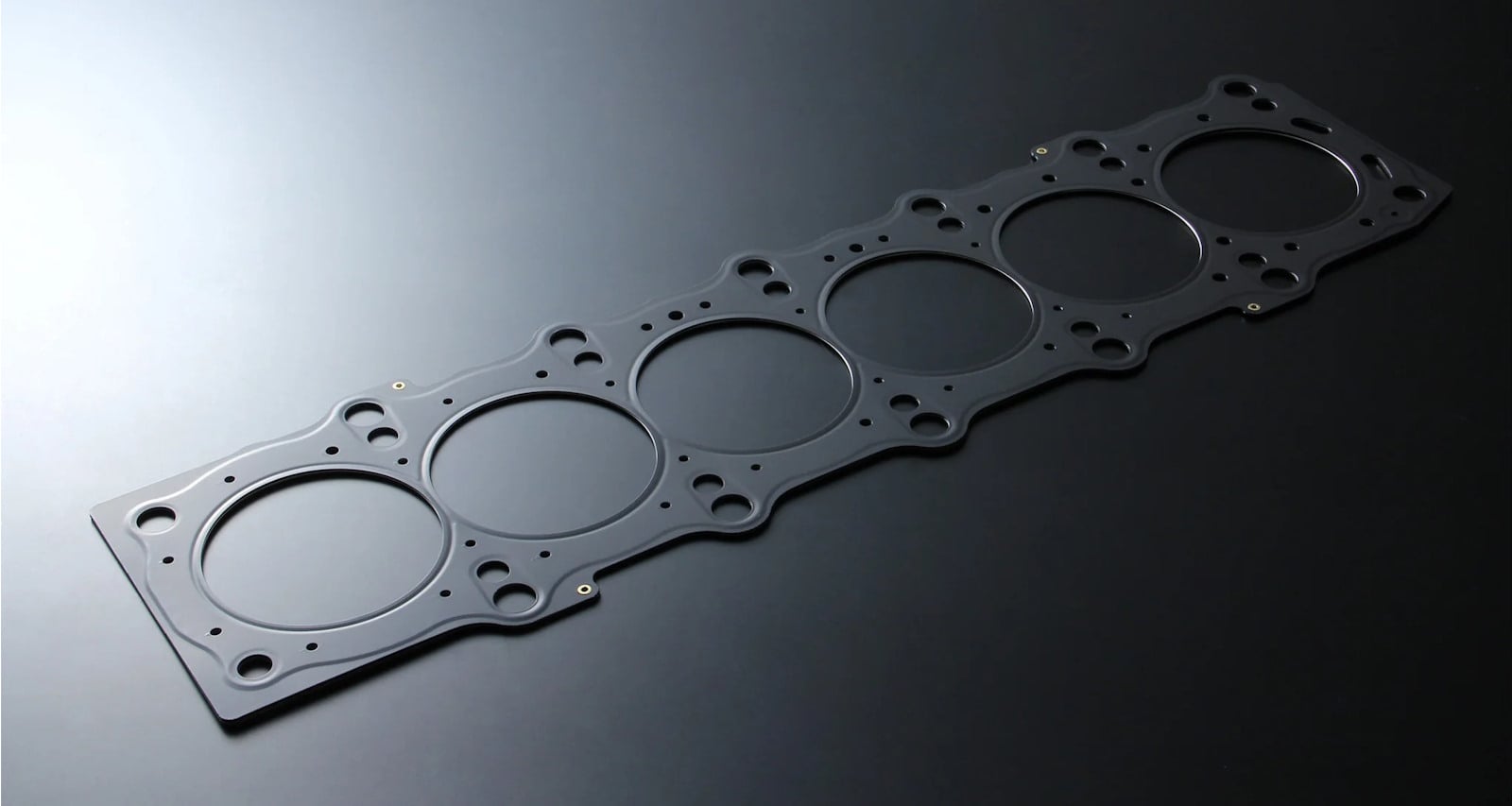
Table of Contents:
The cylinder head gasket ensures a proper seal between the cylinders, the cooling system, and the oil passages. When it fails, the separation between these systems is compromised: fluids begin to mix, gases enter the cooling system, and engine performance becomes unstable. This can lead to overheating and serious mechanical damage.
The main difficulty is that symptoms rarely appear all at once. In most cases, they develop gradually, making the issue easy to overlook. That is why it is important to identify the signs of a failing head gasket early — this helps avoid costly engine repairs.
Main Signs of a Faulty Head Gasket
Typical symptoms are related to loss of sealing: fluid contamination, gas leakage, and changes in engine performance. Pay attention to the following signs:
- white smoke from the exhaust;
- engine overheating without an obvious cause;
- coolant level dropping with no visible leaks;
- milky residue in the engine oil (“mayonnaise”);
- oil in the coolant or coolant in the oil (color change, oily film);
- bubbles in the expansion tank while the engine is running;
- loss of power and unstable engine operation;
- oil traces around the joint between the cylinder head and the engine block.
A single symptom does not always indicate a blown head gasket. However, if several signs appear at the same time, the likelihood of failure increases significantly.
White Smoke from the Exhaust
White smoke from the exhaust system is one of the most common signs of a blown head gasket. It occurs when coolant enters the cylinders and reaches the combustion chamber. There, it evaporates and partially burns along with the air-fuel mixture, producing visible smoke.
Unlike normal condensation, this type of smoke does not disappear after the engine warms up and is not temporary. It is often accompanied by a drop in coolant level without any visible leaks. This is one of the most common warning signs of the problem.
Engine Overheating
Overheating may be caused by combustion gases leaking from the cylinders into the cooling system. Increased pressure and the presence of gases disrupt the proper circulation of coolant, reducing the system’s ability to dissipate heat efficiently.
As a result, the engine temperature rises without any obvious external cause, even if the cooling fan is functioning properly and the coolant level is normal.
Coolant Level Drop
A drop in coolant level without visible leaks is one of the early warning signs. The level in the expansion tank gradually decreases, even though the system appears to be intact.
This happens because coolant may enter the cylinders, mix with engine oil, or be burned in the combustion process. As a result, it disappears from the system without leaving visible traces.
Milky Residue in the Oil
The presence of a milky substance in the engine oil indicates that oil has mixed with coolant. This substance is light in color and has a thick, creamy consistency similar to mayonnaise.
It is most commonly found under the oil filler cap or on the dipstick. This sign indicates that antifreeze has entered the lubrication system, which reduces the oil’s lubricating properties and accelerates engine wear.
Oil in the Coolant or Coolant in the Oil
Mixing of fluids is one of the most critical symptoms. An oily film or visible contamination may appear in the expansion tank, and the coolant itself may change color.
If antifreeze enters the engine oil, the oil becomes diluted and loses its lubricating properties. This leads to a breakdown of the protective oil film, increased friction, and a higher risk of severe engine damage.
Bubbles in the Expansion Tank
The presence of bubbles in the expansion tank while the engine is running may indicate that combustion gases are leaking from the cylinders into the cooling system.
This is a typical diagnostic sign of a loss of sealing integrity between the combustion chamber and the cooling system. It is often accompanied by increased pressure and hardened radiator hoses.
Loss of Power and Unstable Engine Operation
A damaged head gasket can cause a loss of compression in the cylinders, which directly affects engine performance. The vehicle loses power, the engine runs unevenly, and in some cases misfiring may occur.
Starting issues may also occur, especially when the engine is cold.
Oil Traces at the Cylinder Head and Engine Block Joint
Oil traces around the joint between the cylinder head and the engine block may indicate an external leak caused by a failing head gasket.
However, this symptom is not always definitive. Similar traces can result from other leaks, so it is important to carefully inspect the joint area and monitor whether the leak worsens over time.
Why Symptoms May Vary
The signs of a damaged head gasket largely depend on where the failure occurs. The same issue can present differently, as it all depends on the area where the seal has been compromised.
If the damage occurs between cylinders, it leads to a loss of compression, unstable engine operation, and reduced power. When the seal between a cylinder and the cooling system is compromised, coolant enters the combustion chamber, while gases enter the cooling system. As a result, white smoke from the exhaust and bubbles in the expansion tank may appear.
In the case of an external gasket failure, oil or coolant leaks are more commonly observed around the joint between the cylinder head and the engine block.
This is why symptoms rarely appear all at once. Their combination and severity directly depend on the type and location of the damage, which often makes accurate diagnosis difficult without a thorough inspection.
Can You Drive with a Damaged Head Gasket
In short, driving with a blown head gasket is technically possible, but strongly discouraged. In most cases, the problem progresses quickly and leads to more serious damage.
One of the main risks is engine overheating. This can cause the cylinder head to warp and further worsen the existing damage. In addition, coolant entering the cylinders or engine oil disrupts normal engine operation and reduces lubrication efficiency.
In practice, this means a constantly increasing risk of costly repairs. The longer the vehicle is driven with this issue, the higher the likelihood that the repair will go beyond simply replacing the gasket.
When You Should Visit a Workshop Immediately
Some symptoms require immediate attention — continuing to drive under such conditions can quickly lead to serious engine damage.
Key warning signs include:
- thick white smoke from the exhaust, indicating that coolant is entering and evaporating in the combustion chamber;
- rapid engine overheating within a short period;
- milky residue in the oil (“mayonnaise”), indicating fluid contamination;
- continuous bubbles in the expansion tank while the engine is running;
- a sharp drop in coolant level with no visible leaks.
If at least one of these symptoms appears, diagnosis should not be delayed. Timely inspection can significantly reduce both the scope and cost of repairs.
Choose the right head gasket for your vehicle in the catalog.
Go to the head gasket catalogConclusion
The most common signs of a blown head gasket include white smoke from the exhaust, a drop in coolant level without visible leaks, milky residue in the oil, bubbles in the expansion tank, and engine overheating.
A single symptom does not always indicate a failure, but a combination of these signs is a strong reason to have the engine inspected.
If such symptoms occur, it is important not to delay diagnosis. A quick response often allows the issue to be resolved with minimal intervention and helps avoid costly engine repairs.
Frequently Asked Questions
How can you tell if a head gasket is blown?
Common symptoms include white smoke from the exhaust, engine overheating without a clear reason, a drop in coolant level without visible leaks, milky oil (emulsion), bubbles in the expansion tank, and unstable engine operation.
Does white smoke from the exhaust mean a blown head gasket?
Yes, it is one of the most typical signs. It occurs when coolant enters the cylinders and evaporates in the combustion chamber. Unlike normal condensation, it does not disappear after the engine warms up.
Why does coolant level drop with a blown head gasket?
When the gasket loses its seal, coolant can enter the cylinders, mix with engine oil, or be burned during combustion. As a result, the coolant level decreases even if there are no visible leaks.
Can you drive with a blown head gasket?
Technically, yes, but it is highly discouraged. The issue can quickly lead to engine overheating, poor lubrication, and severe, costly engine damage.
When should you urgently visit a service center?
Immediate inspection is required if you notice thick white exhaust smoke, rapid engine overheating, milky oil, constant bubbles in the expansion tank, or a sudden drop in coolant level without visible leaks.