

Signs of a Faulty MAP Sensor in a Diesel Engine
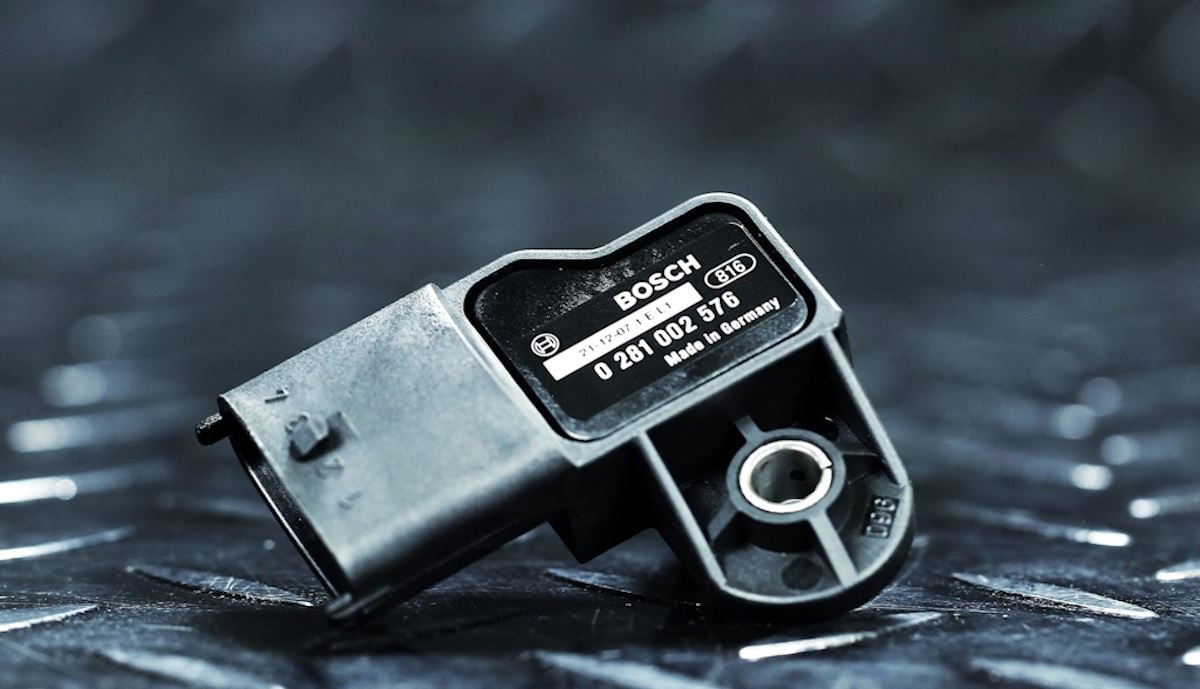
Table of Contents
A MAP sensor, or Manifold Absolute Pressure sensor, is responsible for measuring the pressure inside the intake manifold of a diesel engine. The data collected by this sensor is sent to the ECU, which calculates the amount of fuel required for proper engine operation.
Unlike other sensors, the MAP sensor measures absolute pressure — that is, pressure relative to a vacuum rather than atmospheric pressure. It then converts this value into an electrical signal that is transmitted to the engine control unit.
In diesel engines, this sensor plays a crucial role in forming the air-fuel mixture necessary for efficient combustion and stable engine performance. Like any electronic component, the MAP sensor can fail, negatively affecting engine operation and overall vehicle efficiency.
If you want all the essential information in one place, below you’ll find the most common causes of MAP sensor failures and the typical symptoms that may indicate a problem.
The Most Common Signs of a Faulty MAP Sensor in a Diesel Engine
If the MAP sensor fails or starts sending unstable data, the symptoms on a diesel-powered vehicle may appear as follows:
- Increased fuel consumption. If you notice that you need to refuel more often, even though your driving style and conditions haven’t changed, this may be one of the first warning signs. This usually happens due to incorrect air-fuel ratio — the ECU injects too much diesel fuel. This is a typical symptom of a failing MAP sensor.
- Unstable engine operation. Incorrect MAP readings cause the ECU to misadjust fuel delivery and boost pressure, leading to fluctuating RPM, uneven idle and even engine stalling.
- Loss of power. A faulty MAP sensor can cause a noticeable decrease in performance. The vehicle accelerates poorly even during normal driving, indicating improper fuel injection control.
- Fuel smell. In some cases, excess diesel fuel may accumulate near the throttle body, causing a characteristic diesel smell.
- Rough engine operation. Due to incorrect MAP data, the ECU mismanages fuel dosing and boost pressure, resulting in vibrations, hesitation when pressing the accelerator, and unstable engine operation — especially when the engine is cold.
- Jerking during gear changes. The car may jerk while shifting, which not only reduces comfort but can also lead to other issues.
- Engine warning light and ECU errors. When the MAP sensor fails, the ECU may store error codes P0107 or P0108, and the Check Engine light will illuminate on the dashboard.
- Exhaust smoke. With a faulty MAP sensor, a diesel engine receives excess fuel, causing incomplete combustion and dark exhaust smoke. White smoke is usually not related to the MAP sensor — it typically indicates coolant entering the combustion chamber or condensation in a cold engine.
Sometimes the symptoms of a faulty MAP sensor can be confusing. Many signs resemble other system issues — for example, incorrect fuel delivery may point to a failing fuel pump, while power loss during acceleration can indicate a malfunctioning turbocharger.
For that reason, when any warning signs appear, it’s recommended to visit a service centre and carry out a proper diagnostic check to accurately identify the cause.
Why Does a MAP Sensor Fail?
We already know that when the MAP sensor operates incorrectly, a diesel vehicle may show typical symptoms such as increased fuel consumption, unstable engine behaviour and loss of power. However, it’s important to understand what affects the sensor’s reliability and why failures occur.
Here are the most common causes of MAP sensor malfunction:
- Incorrect installation. Improper positioning on the intake manifold or incorrect wiring connections can lead to distorted readings.
- Contamination. Dust, oil and other deposits can damage the sensitive elements inside the sensor.
- Natural wear. Over time, individual components of the sensor deteriorate, reducing measurement accuracy.
- Thermal overload. Constant exposure to high temperatures under the hood accelerates the degradation of sensitive elements and shortens the sensor’s lifespan.
- Electrical issues. Corroded contacts, broken wires or unstable voltage interfere with data transmission between the MAP sensor and the ECU.
It’s also important to remember that only original components or certified OEM replacements ensure proper sensor performance and long-term reliability. Installing a cheap, unbranded sensor may lead to new fuel system and engine problems.
Where to Buy a MAP Sensor?
If you’re looking for a MAP sensor at the best price and with guaranteed quality in Poland, you’re in the right place. Our selection includes more than 300 original manifold absolute pressure (MAP) sensors and over 2300 verified equivalents from reputable manufacturers.
Simply choose the correct part and place your order online — it’s quick, convenient and risk-free.
Select the right MAP sensor for your vehicle in the catalogue.
Go to the MAP sensor catalogueFrequently Asked Questions
What symptoms most commonly indicate a faulty MAP sensor?
Typical signs include increased fuel consumption, loss of power, unstable engine operation, jerking, and dark exhaust smoke. These issues occur because the ECU receives incorrect intake manifold pressure data used to calculate the proper fuel dose.
Is it safe to drive with a faulty MAP sensor?
The car will still drive, but with noticeably worse performance. Fuel consumption increases, acceleration becomes weaker, and the engine runs unevenly. Driving for a long time with a faulty MAP sensor may lead to additional problems with the turbocharger or the fuel system.
How can I tell if the issue is caused by the MAP sensor and not another component?
MAP sensor symptoms often resemble issues with the turbocharger, injectors, or fuel pump. Diagnosis can help distinguish them: look for error codes P0107 / P0108, incorrect pressure readings, and the absence of mechanical noises typical of a failing turbo. Checking live data through an OBD scanner is the most reliable method.
Can the MAP sensor be restored by cleaning, or does it need to be replaced?
If the problem is caused by contamination, careful cleaning with a dedicated sensor cleaner may restore function. If the electronic components or wiring are damaged, replacement is necessary. Original or high-quality OEM sensors are the most reliable choice.