

What is a MAP sensor and what does it mean for your car?
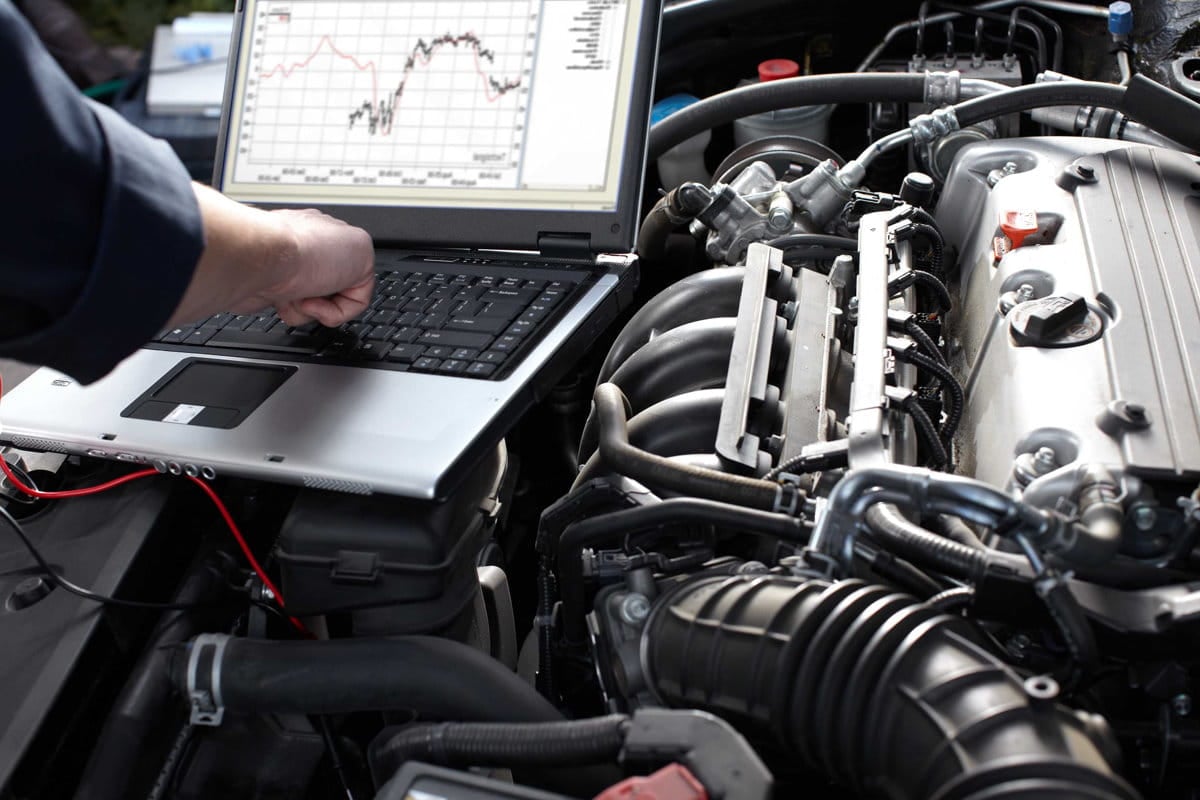
Table of Contents
What is a MAP Sensor?
The MAP sensor, or Manifold Absolute Pressure sensor, is one of the key components that ensures the proper functioning of a car's engine. It measures the pressure in the intake manifold and transmits this data to the Engine Control Unit (ECU).
When the MAP sensor operates correctly, the internal combustion engine receives an optimal air-fuel mixture. This directly affects fuel consumption, emission levels, engine power, and the vehicle's stable performance during operation.
Let’s take a closer look at what the MAP sensor is, where it is located, how it works, and the signs that indicate it may be malfunctioning.

How Does a MAP Sensor Work and What Is Its Purpose?
Among all components of modern vehicles, the internal combustion engine is the largest consumer of air, which is used in significant quantities to create the air-fuel mixture. The Manifold Absolute Pressure (MAP) sensor essentially functions as a flow meter but has one key distinction — it uses vacuum (absolute pressure) as its reference point instead of atmospheric pressure.
How does a MAP sensor work? To answer this question, we first need to examine the internal structure of the sensor. The MAP sensor consists of atmospheric and vacuum chambers separated by an elastic diaphragm equipped with four strain gauges and a pressure measurement module. At the bottom of the sensor housing, there is a nozzle for air intake, while a set of contacts is located at the output, transmitting the signal to the vehicle’s Engine Control Unit (ECU).
The MAP sensor operates as follows:
- Air in the intake manifold exerts pressure on the diaphragm, causing it to bend.
- The diaphragm interacts with strain gauges, leading to a change in their resistance.
- A piezoelectric effect occurs, resulting in a voltage change proportional to the resistance. The voltage range varies from 0.5 to 4.5 V depending on the pressure level.
- The electronic module transmits the signal to the ECU. The higher the sensor’s output voltage, the greater the pressure inside the intake manifold.
Depending on its design, the MAP sensor can be either analog or digital. The key difference between these two types lies in the following:
- Analog MAP Sensor: Equipped with an analog-to-digital converter (ADC) that transforms the sensor's signal into a digital format readable by the ECU.
- Digital MAP Sensor: Sends signals directly in digital form, enabling faster and more accurate data transmission to the engine management system.
The MAP sensor continuously measures real-time pressure values and sends this data to the ECU. Based on the received information, the ECU adjusts the air-fuel mixture entering the engine cylinders for optimal performance.
MAP Sensor: Signs of Malfunction
Despite its simple design, the MAP sensor has a notable weak point — its diaphragm. Due to constant deformation, the diaphragm gradually stretches or develops cracks, reducing the pressure it exerts on the strain gauges. This results in incorrect data being transmitted to the ECU.
Common signs of a faulty MAP sensor include:
- A noticeable fuel smell near the throttle body.
- Increased fuel consumption despite unchanged driving style or vehicle load. This is caused by an incorrect air-fuel mixture due to a malfunctioning sensor.
- White smoke emitted from the exhaust system.
- Unusual noises from the engine and unstable operation under various conditions.
- Jerking sensations during gear shifts.
- Reduced vehicle performance and dynamics.
However, these symptoms do not provide a 100% guarantee that the MAP sensor is the root cause. Similar issues can arise from malfunctions in other fuel system components.
A faulty MAP sensor, with the symptoms described above, poses a serious risk to the engine. Therefore, even minor irregularities in vehicle performance should not be ignored. Timely diagnostics can help detect MAP sensor failures early, preventing a cascade of related breakdowns.

Causes of MAP Sensor Malfunction
Signs of MAP sensor malfunction can point to various reasons for its failure. One of the most common causes is contamination of the air entering the intake manifold. Regular replacement of the air filter can help eliminate this issue.
Another frequent cause of MAP sensor failure is diaphragm damage due to natural wear or manufacturing defects. Malfunctions can also arise from vacuum hose leaks or broken electrical connections.
In most cases, the MAP sensor is integrated into the same housing as the temperature sensor. A faulty temperature sensor can lead to incorrect operation of the manifold absolute pressure sensor.
Improper installation is another potential cause of failure (e.g., the air hose is not connected, or the wiring is incorrectly installed).
If the MAP sensor shows signs of malfunction, it is recommended to visit a service center as soon as possible for diagnostics and to determine the root cause of the problem.
How to Check a MAP Sensor? (Diagnostics)
When the first signs of malfunction appear, many drivers wonder how to check the MAP sensor and whether it can be done at home.
If you have access to an oscilloscope and a multimeter, you can diagnose the sensor without visiting a service center. Before testing the MAP sensor with measuring tools, visually inspect it for mechanical damage, signs of heavy contamination, or worn wires. If no issues are found during the external inspection, proceed to use diagnostic tools.
The first step is to check the signal voltage, which is directly related to the pressure inside the manifold. The results should be compared with the reference values provided by the manufacturer (in most cases, the voltage range is between 0.5 and 4.5 V). The next step is to measure the resistance between the terminals. A functioning sensor should show a value of 1 Ohm. Significant deviations indicate that the sensor needs to be replaced.
Having an oscilloscope allows for a complete diagnosis. This involves recording signal waveforms in different engine operating modes and comparing them with the standard reference values.
However, most car owners do not have an oscilloscope or the skills to use one. Therefore, the only correct answer to the question, "How to check a MAP sensor?" is to consult a specialized service center. Professionals equipped with the appropriate tools will perform a full diagnosis to identify the cause of the sensor's malfunction or detect vulnerabilities that could lead to issues in the near future.
Cleaning a MAP Sensor – Step-by-Step Guide
If the air filter is not replaced in time, the manifold absolute pressure (MAP) sensor can become heavily contaminated, potentially leading to incorrect operation or distorted readings.
What Can Be Used to Clean a MAP Sensor? Manufacturers of automotive cleaning products offer a wide range of specialized solutions. Thanks to their chemical formulations, these cleaners effectively remove stubborn dirt caused by oil and dust. If you're wondering what is best for cleaning a MAP sensor, specialized cleaners or isopropyl alcohol (IPA) are optimal choices. Do not use compressed air, as it can damage the sensor's membrane. For the same reason, when applying cleaning agents, avoid holding the nozzle of the spray can too close to the sensor.
Cleaning Steps:
- Disconnect wires and hoses: Before starting, disconnect all wires and hoses attached to the sensor.
- Remove the sensor: Unscrew the mounting bolt and carefully remove the sensor, ensuring you don’t damage the seal.
- Apply the cleaner: Spray the cleaning solution onto the sensor’s surface, avoiding contact with the areas where the terminals or membrane are located.
- Allow the sensor to dry: Once the cleaning process is complete, let the sensor dry thoroughly.
- Reinstall the sensor: Put the sensor back in place and reconnect all wires and hoses.
How to Trick a MAP Sensor?
Increasing engine power is a dream for many car owners, as it enhances the vehicle's performance and dynamics. To avoid spending large sums on professional chip tuning, some drivers opt for a simpler solution—tricking the manifold absolute pressure (MAP) sensor, which limits engine acceleration.
How to Trick a MAP Sensor? There are two main methods to manipulate the MAP sensor:
- Installing a Resistor: A resistor can be added to lower the manifold pressure readings. The incorrect data is sent to the electronic control unit (ECU), prompting it to increase system pressure.
- Using a Zener Diode: This electronic component maintains the output voltage within a range of 4.5–4.7 V. The false signal sent to the ECU forces it to increase the pressure. Compared to a resistor, using a Zener diode allows for voltage regulation and significantly reduces the risk of overloads, which might only occur at high RPMs.
It is important to understand that attempts to trick the MAP sensor, as well as any other unauthorized modifications to the vehicle's fuel system, can lead to various negative consequences. These may include reduced turbocharger lifespan, malfunctions in the fuel injection system, and even the need for major engine repairs.
If you are looking to increase your vehicle's engine power, it is better to consult chip tuning professionals. They can offer safer and legal solutions.

How to Repair a MAP Sensor?
Repairing a manifold absolute pressure (MAP) sensor is best left to automotive service professionals. In some cases, the MAP sensor cannot be repaired (e.g., if the membrane is damaged or there are mechanical failures), or its restoration may not be cost-effective. In such situations, the damaged sensor needs to be replaced.
Replacing the sensor is a relatively simple procedure, but it is better to entrust it to professionals. After installing a new sensor, it is essential to perform a follow-up diagnosis to ensure it is functioning correctly.
Check What 2407.PL Offers
Remember, a faulty MAP sensor can significantly impact engine performance. To avoid problems, it is recommended to replace this component regularly with a new one. In our online store, you can easily find a suitable MAP sensor for your vehicle. Don’t delay the replacement—a malfunctioning sensor can lead to costly repairs and, in some cases, even pose a safety risk.
To ensure your MAP sensor functions properly, make sure to replace the air filter regularly and monitor the system's integrity. Choose quality products from us!
Frequently Asked Questions
What is a MAP sensor?
It is a sensor that measures the absolute pressure in the engine intake manifold to control the supply of fuel and air.
What is the MAP sensor used for in a car?
It helps the engine control unit determine the engine load, calculate the correct air–fuel mixture, and ensure stable operation and fuel efficiency.
What are the symptoms of a faulty MAP sensor?
Increased fuel consumption, unstable engine operation, hesitation during acceleration, jerking, difficult starting, and irregular idling.
Is it safe to drive with a faulty MAP sensor?
Temporarily yes, but it will reduce engine efficiency, increase fuel consumption, and may cause unstable operation — it’s better to replace the sensor or perform diagnostics as soon as possible.
How can you check whether the MAP sensor is working correctly?
Through diagnostics — measuring voltage/pressure signals, checking response to changes in engine speed, or visiting a service center if engine performance issues appear.