

Low Fuel Warning Light: How Far Can You Drive on Reserve?
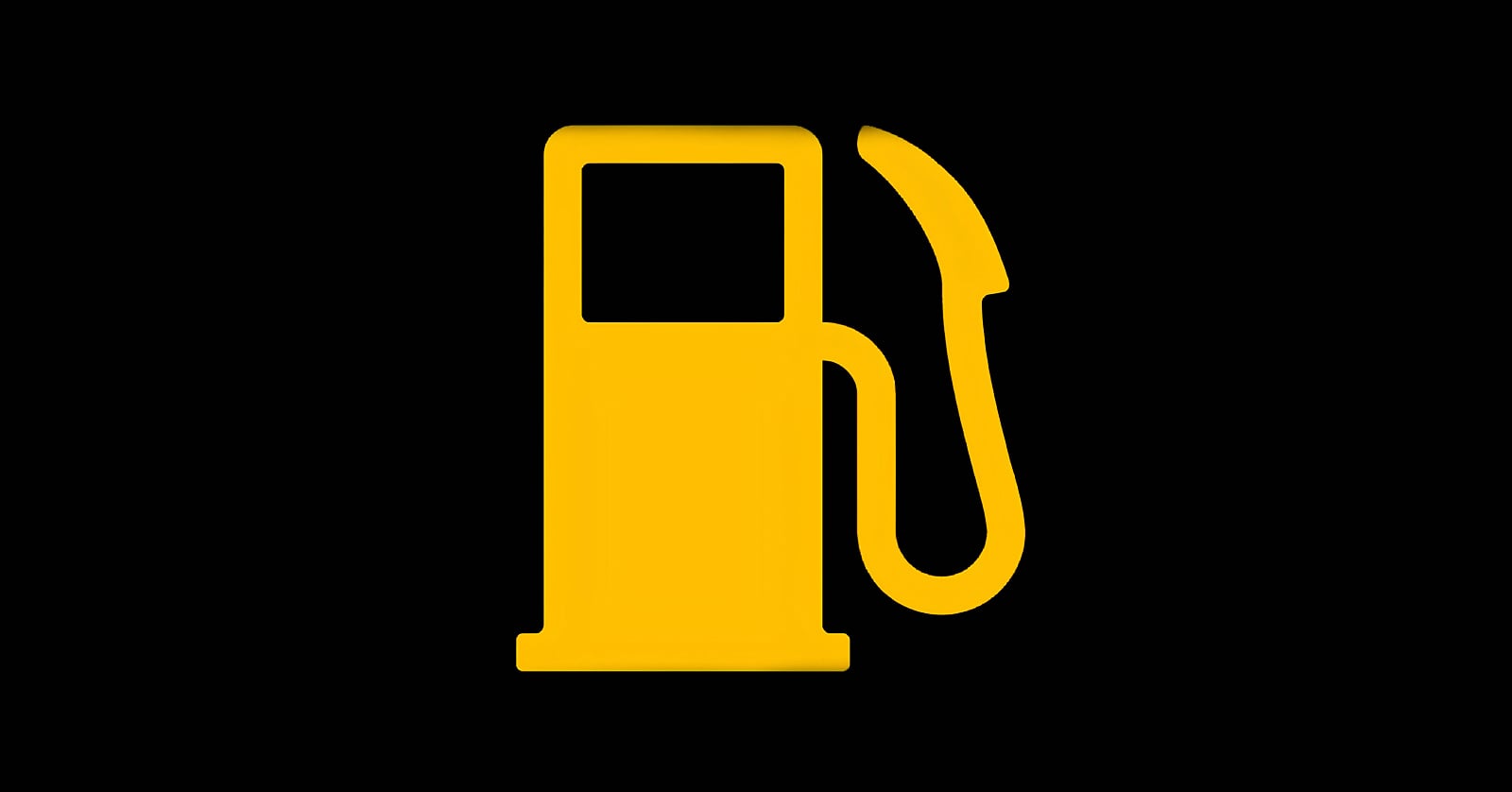
Table of Contents
When the low fuel warning light comes on, it does not mean the vehicle will stop immediately, but it is a clear signal that you should plan to refuel as soon as possible. At this point, many drivers wonder how much distance is left and whether it is safe to continue driving.
What the Low Fuel Indicator Means
The warning light indicates that the fuel level in the tank has dropped close to the minimum threshold. This is not a fault, but a warning designed to give the driver time to find the nearest petrol station.
On the dashboard, the indicator is usually displayed as a fuel pump icon — one of the most recognisable symbols in a car.
In most cases, the light comes on when only a small fuel reserve remains. In practice, it is a “get you to the station” signal.
How Much Fuel Is Left When the Light Comes On?
After the low fuel warning light appears, most vehicles still have around 5–12 litres of fuel remaining.
The exact amount depends on the specific model, fuel tank capacity, and the system calibration set by the manufacturer. There is no universal value: compact city cars usually have a smaller reserve, while larger vehicles tend to have more. In some cases, the reserve can reach up to 12–15 litres.
It is important to understand that this is not a “comfort reserve” for extended driving, but a limited buffer intended only to allow you to reach the nearest petrol station.
Accordingly, the answer to how many kilometres you can drive with the warning light on will always be approximate — it directly depends on fuel consumption and driving conditions.
How Many Kilometres Can You Drive on Reserve?
On average, after the warning light comes on, the remaining driving range is about 30–80 km. However, this is only a guideline, not a guaranteed distance — the actual range may vary significantly.
Several factors influence how far you can drive:
- average fuel consumption of the vehicle;
- engine type (petrol or diesel);
- fuel tank capacity;
- driving style;
- driving conditions — city, motorway or heavy traffic.
In urban driving, fuel consumption is usually higher, so the remaining range is shorter. On the motorway, at a steady speed, you can typically drive further. Fuel consumption is also affected by vehicle load, air conditioning use and frequent acceleration.
The onboard computer may display the remaining range, but its readings change dynamically depending on your current driving style, so it should not be relied on completely.
If the warning light is already on, you can slightly extend the remaining distance by driving more efficiently:
- maintain a steady speed without sharp acceleration;
- slow down in advance instead of braking at the last moment;
- switch off air conditioning and unnecessary electrical consumers where possible;
- reduce vehicle load;
- avoid driving at excessively low engine speeds (do not “lug” the engine).
These techniques can help you reach the nearest petrol station, especially on the motorway, but they should not be treated as a long-term solution.
Is It Safe to Drive with a Low Fuel Level?
Regularly driving with a low fuel level is not recommended for your vehicle. A one-off situation usually does not cause serious issues, but making a habit of driving with the warning light on gradually increases the risk of faults.
The most common consequences include:
- overheating and accelerated wear of the fuel pump;
- contaminants from the bottom of the tank entering the fuel system;
- air being drawn into the system;
- risk of sudden engine stalling.
The fuel pump is cooled and lubricated by the fuel itself. When the fuel level is too low, the pump operates under less favourable conditions, which accelerates wear.
In addition, deposits naturally accumulate at the bottom of the fuel tank over time. When frequently driving on a near-empty tank, these particles can enter the system, clogging filters and injectors. In some cases, this may cause the engine to stall while driving or fail to start after stopping.
Moreover, with a low fuel level, condensation forms more actively inside the tank. This increases the risk of corrosion in fuel system components and, in colder conditions, may also lead to moisture freezing, which can make engine starting more difficult.
Why the Low Fuel Warning Light May Work Incorrectly
If the warning light on the dashboard comes on too early, too late, or does not come on at all, it is usually related to incorrect fuel level detection. In such cases, it is important not to delay diagnostics, as inaccurate readings make it difficult to assess the actual fuel reserve and increase the risk of unexpected engine shutdown.
The most common causes include:
- a faulty fuel level sensor;
- issues with the float in the tank (sticking, wear or damage);
- electronic faults or poor electrical connections in the circuit.
Sometimes incorrect indicator behaviour appears after repairs or work on the fuel system — for example, due to improper installation of the sensor or damaged wiring. If the warning light behaves inconsistently, it should not be ignored: timely diagnostics can help prevent more serious problems and unnecessary expenses.
Conclusion
The low fuel warning light is not a signal that you can continue driving without concern — it is a direct indication that refuelling is required.
Yes, after it comes on, there is usually enough range left for several dozen kilometres, but it should not be treated as a normal operating condition.
The correct approach is to treat the reserve strictly as an emergency buffer. This helps reduce the risk of fuel pump overheating, contaminants entering the fuel system, and unexpected engine shutdown at the worst possible moment.
FAQ
How far can you drive after the fuel warning light comes on?
On average, the remaining driving range is about 30–80 km (20–50 miles), but the exact distance depends on fuel consumption, driving conditions, and the vehicle model.
How much fuel is left when the warning light turns on?
Typically, around 5–12 liters (1.3–3.2 gallons) of fuel remain in the tank, although this can vary depending on the vehicle.
Is it safe to drive with the fuel warning light on?
No, regularly driving with a low fuel level can accelerate fuel pump wear and increase the risk of contamination in the fuel system.
Why might the fuel warning light work incorrectly?
This may be caused by a faulty fuel level sensor, issues with the float mechanism, or electrical system problems.