

The Oil Warning Light Is On — What Does It Mean and How Should You React?
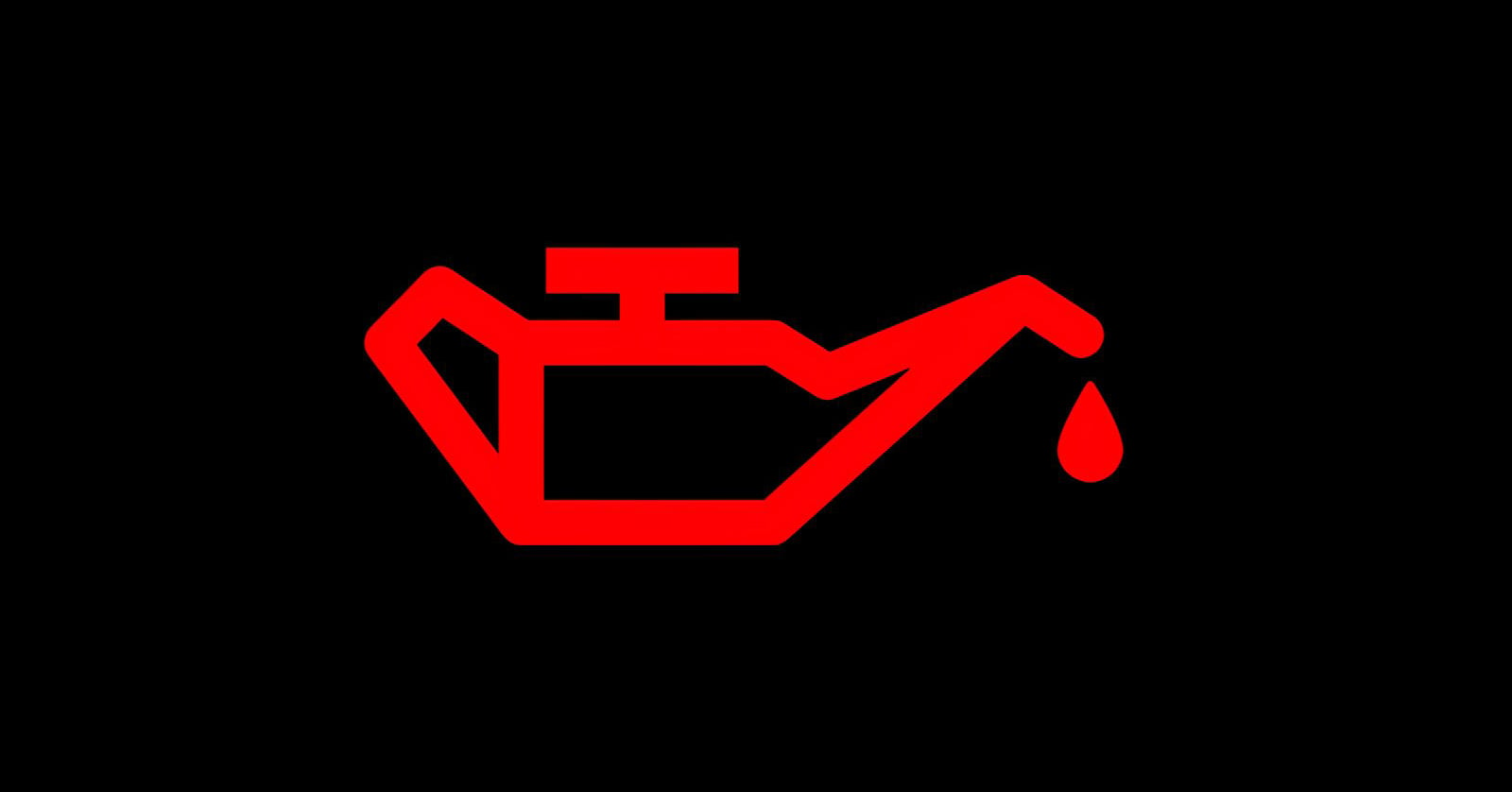
Table of Contents
The dashboard of your car features a variety of warning lights, many of which illuminate to indicate a fault or to alert the driver to a potential issue. In this article, we explain what the red oil warning light means, why it may turn on, when it typically happens, and how to respond.
What Is the Oil Pressure Indicator?
The oil can icon on the dashboard signals a potential issue within the engine’s lubrication system. It typically indicates either a low oil level or insufficient oil pressure. Some drivers colloquially refer to it as the “drip icon” due to its shape, but this symbol always deserves close attention.
The oil warning light receives information from two sensors: one measuring oil level, the other measuring oil pressure. It alerts the driver to any irregularities. This warning is part of the engine’s lubrication system, which reduces friction between moving parts, prevents corrosion, and dissipates excess heat during operation.
Indicator Light Colors: Yellow and Red
The oil warning light is connected to two sensors — one monitoring oil level and the other monitoring oil pressure. It alerts the driver to any abnormalities in the lubrication system. This system plays a critical role in reducing friction between moving components, preventing corrosion, and removing excess heat from the engine during operation.
Why Does the Oil Pressure Light Turn On?
The red oil warning light comes on when the sensor detects a critical drop in pressure within the lubrication system.
There are several possible causes:
- Oil level is too low. This is the most common reason, which can usually be resolved by checking the dipstick and topping up the oil.
- Faulty oil pump. If the pump is damaged or not functioning properly, it may not maintain sufficient pressure in the lubrication system.
- Defective sensor. A malfunctioning or damaged sensor — or its wiring — can send inaccurate signals to the dashboard.
- Contaminated lubrication system. A clogged oil filter or a dirty oil pickup screen can restrict oil flow, leading to pressure loss.
- Broken bypass valve. If the oil filter is blocked, unfiltered oil may pass through the bypass valve, potentially damaging it.
A red oil light may also appear as a result of severe engine overheating — not as the cause, but as a consequence of malfunctions within the lubrication system.
What to Do If the Oil Warning Light Comes On While Driving
If an issue develops in the lubrication system, the oil warning light may illuminate while the vehicle is in motion. What types of signals might appear, what do they mean, and how should you respond? Let’s break it down.
Yellow Oil Light
If a yellow oil light appears on your dashboard, it indicates that the oil level is low, but not yet critically so. If the light turns off after you top up the oil to the recommended level, the issue has been resolved.
Red Oil Light
A red oil warning light always signals a critical drop in oil pressure. The most common causes are a worn-out engine, a clogged oil filter, or a malfunctioning oil pump.
Regardless of the cause, the issue cannot be fixed on the road. It is highly recommended to call a tow truck and have the vehicle transported to a nearby workshop.
Flashing Red Oil Light
A flashing red light indicates extremely low oil pressure, which may result from various problems — from insufficient oil to unstable operation of lubrication system components.
If the flashing is accompanied by unusual noises or burning smells, it could point to more serious damage.
Red Light On Despite Normal Oil Level
If the red oil warning light remains on even though the oil level is correct, this may indicate a malfunction in other components of the lubrication system — such as the oil pump, filter, or related parts.
No matter which oil symbol appears on your dashboard, the first step is always to stop the engine and check the oil level. If topping up the oil doesn’t resolve the issue, a visit to a professional service is required. It is strongly advised not to continue driving, especially if the red oil warning light is on.
Consequences of Ignoring the Red Oil Warning Light
Neglecting issues in the lubrication system can lead to serious consequences — from needing to replace the oil pump to a complete engine overhaul.
Prevention
To avoid lubrication system failures during vehicle operation, it’s important to perform regular maintenance and preventive checks. Here are some key recommendations.
Checking the Oil Level — When and How to Do It
It’s recommended to check the oil level at least once a month or every 1,000 kilometers. Ideally, you should also check it before any long trip.
The procedure is simple:
- Wait for the engine to cool down (or wait 5–10 minutes after shutting it off if it was warmed up).
- Make sure the car is on a level surface.
- Pull out the dipstick and wipe it clean.
- Reinsert it fully, then remove it again.
- If the oil level is below the “MIN” mark, top it up to the “MAX” mark.
Regular Oil and Filter Changes
To prevent problems in the engine lubrication system, it’s recommended to change the engine oil and oil filter on a regular basis. The typical interval is every 10,000–15,000 kilometers. However, actual needs may vary depending on the type of oil, driving conditions, and the engine’s wear level.
You can find more details in our dedicated article, “How Often Should You Change Engine Oil”.
Diagnosing the Lubrication System at the First Signs of Trouble
At the first signs of malfunction in the lubrication system, it’s worth visually inspecting the oil filter, checking for leaks around the engine, and ensuring the oil pan is sealed properly.
It’s also advisable to have the lubrication system checked at a service center using specialized diagnostic equipment.
Summary: What You Should Know About the Oil Warning Light
Here are the key points regarding the oil indicator in your car:
- The color of the light tells you whether the issue is low oil level (yellow light) or low oil pressure (red light).
- A red oil warning light may point to serious malfunctions in the lubrication system components.
- Regardless of the light’s color, when it appears, stop the engine, check the oil level, and top it up if needed. You can always buy high-quality motor oil from our store.
- If the oil indicator stays on despite a normal oil level, call a tow truck and take your vehicle to a service center.
Never ignore the oil warning light if you want to avoid costly pump repairs or a full engine rebuild.
Select the right engine oil for your vehicle in the catalogue.
Go to the engine oil catalogueFAQ
Red Oil Warning Light — How Far Can You Drive?
If the red oil light turns on, it indicates a serious problem with the lubrication system. Continuing to drive — even a short distance — may severely damage the engine, possibly causing it to seize entirely.
Stop the vehicle immediately and check the oil level. If the level is normal but the light remains on, call for a tow truck and have the vehicle taken to a repair shop.
Can You Drive with a Yellow Oil Light?
If the yellow oil light comes on, it signals a low oil level. In this case, it’s not recommended to continue driving. It’s best to stop, check the oil level, and top it up if necessary.
If the light remains on after topping up, consult a mechanic or go to a service center.
Yellow Oil Light — How Far Can You Drive?
While driving with a yellow oil warning light is strongly discouraged, if you don’t have oil with you and the nearest service station is only a few kilometers away, you may carefully proceed to get help. However, keep in mind that extended driving with a low oil level can damage the engin