

How to Recognise Worn Brake Pads?
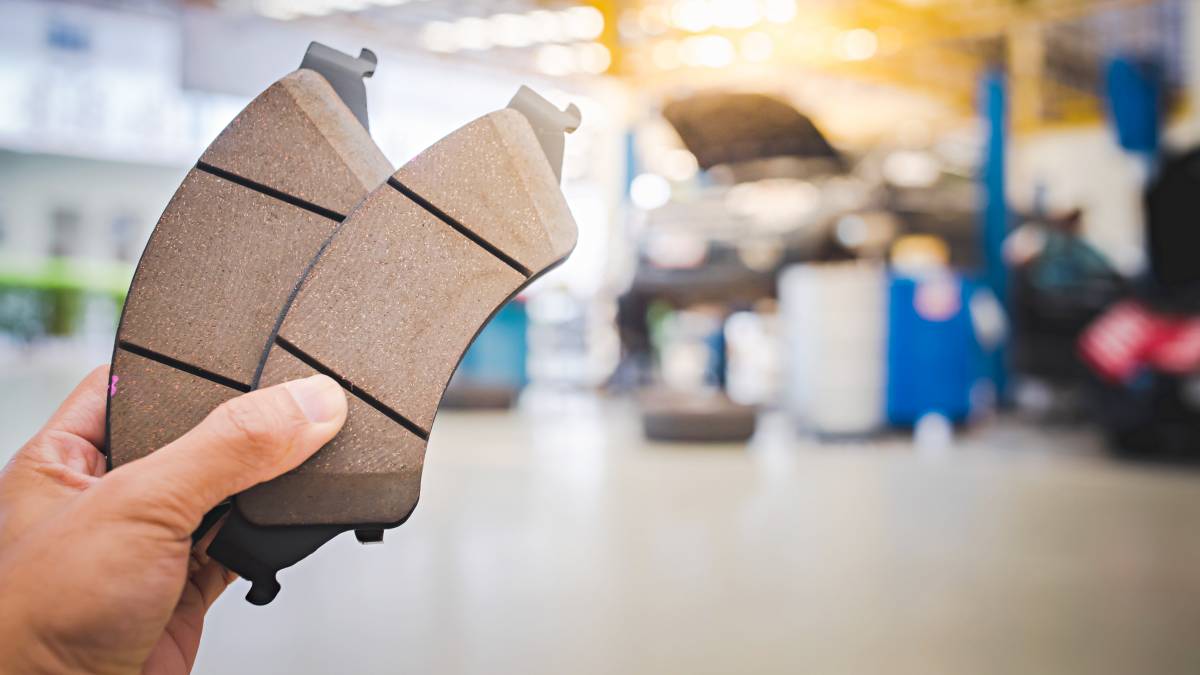
Table of Contents
Brake pads are key components of a vehicle’s safety system. They ensure effective deceleration and stopping by creating friction against the brake discs. The condition of the brake pads directly affects the safety of the driver and passengers. Although pads operate every time you press the brake pedal, their regular inspection is often overlooked. Worn brake pads can lead to serious consequences, which is why every driver should know how to detect wear before it becomes dangerous.
Main Symptoms of Brake Pad Wear
You do not need professional mechanical knowledge to identify worn brake pads. It is enough to observe how the vehicle behaves and pay attention to unusual sounds. The most common symptoms include:
- a characteristic squealing or grinding noise when braking;
- increased stopping distance;
- vibration or pulsation of the brake pedal;
- activation of the brake pad wear indicator on the dashboard;
- the vehicle pulling to one side during braking;
- a “spongy” or sinking brake pedal;
- a burning smell after heavy braking;
- a drop in brake fluid level in the reservoir;
- visible damage during a visual inspection.
Characteristic Squealing or Grinding Noise When Braking
A squealing noise during braking is one of the most common warning signals of worn brake pads. This sound is caused by high-frequency vibrations of metal components contacting the brake disc. When the friction material is almost completely worn out, the metal backing plate begins to rub directly against the disc, producing a metallic grinding noise.
It is important to distinguish between different types of sounds. A light squeal may be caused by surface corrosion on the brake discs, especially after the vehicle has been parked in humid conditions. However, a loud metallic grinding noise indicates critical wear and requires immediate brake pad replacement. Ignoring this symptom may result in brake disc damage and significantly higher repair costs.
Increased Stopping Distance
One of the most dangerous signs of brake pad wear is an increase in stopping distance. As the friction material wears down, its thickness decreases, and its ability to dissipate heat is reduced. This may lower braking stability and increase stopping distance, especially under heavy load.
Since wear occurs gradually, the driver may not immediately notice the change. It is recommended to periodically check braking performance in safe conditions. If you find yourself braking earlier than usual or applying more pressure to the pedal, worn brake pads may be the cause.
Brake Pedal Vibration or Pulsation
Noticeable pulsation of the brake pedal is most often associated with warped brake discs. Uneven pad wear may intensify this effect, but in most cases the primary cause lies in the discs. Worn brake pads may contact the disc unevenly, resulting in pulsation during braking, particularly at higher speeds.
Vibrations may also result from overheating and subsequent disc deformation. As pad efficiency decreases, the driver presses the pedal harder, increasing the thermal load on the braking system. This can lead to thermal distortion of the discs, which may require machining or replacement.
Brake Pad Wear Indicator Light
Modern vehicles are often equipped with electronic brake pad wear sensors. When the corresponding indicator appears on the dashboard, it means the friction material thickness has reached the minimum permissible level. Typically, sensors are installed on one or two pads, which means they may not detect uneven wear.
The warning should not be ignored. The indicator may appear as a “BRAKE” message or a dedicated symbol. Once activated, a diagnostic check and brake pad replacement should be carried out as soon as possible. Mechanical wear indicators use a metal tab that contacts the disc when the pad is worn, producing a characteristic noise.
Vehicle Pulling to One Side During Braking
If the vehicle pulls to one side when braking, this may indicate uneven brake pad wear on either side of the axle. As a result, braking force is distributed unevenly, reducing vehicle stability and control.
The cause may also be a seized brake caliper piston or a brake fluid leak. Uneven wear is often related to faulty guide pins or improper caliper operation. In emergency situations, such a defect may lead to loss of control.
Spongy or Sinking Brake Pedal
A soft or sinking brake pedal is a serious warning sign. With significant pad wear, caliper pistons extend further to compensate for the reduced friction material thickness. This may slightly increase pedal travel. However, a pronounced sinking pedal is more often associated with air in the braking system, brake fluid leakage, or a faulty master cylinder.
In any case, this symptom requires immediate inspection. Ignoring it may significantly reduce braking performance and, in extreme cases, result in loss of braking ability.
Burning Smell After Braking
A burning smell or the scent of overheated metal after intensive braking indicates overheating of the braking system. During heavy or prolonged braking, system components can overheat. Worn brake pads dissipate heat less efficiently, increasing the risk of overheating and reduced braking performance.
Overheating may cause brake fade — a temporary reduction in braking efficiency due to excessive temperature. The friction material loses its properties, and brake fluid may begin to boil. If you notice a burning smell, stop in a safe place and allow the system to cool down.
Low Brake Fluid Level
A decrease in brake fluid level is often associated with brake pad wear. As the pads wear down, caliper pistons extend further to compensate for the reduced thickness of the friction material, which lowers the fluid level in the reservoir.
However, a sudden drop may indicate a system leak. Regularly checking the brake fluid level is a simple way to monitor the condition of the braking system. The reservoir is typically located in the engine bay and marked with minimum and maximum level indicators.
Visual Inspection of Brake Pads
What do worn brake pads look like? The most reliable way to assess their condition is through visual inspection. In many cases, the edge of the pad and the remaining thickness of the friction material can be seen through the wheel spokes. New brake pads typically have a friction material thickness of approximately 10–16 mm, depending on the vehicle model. Replacement is generally recommended when the thickness decreases to 2–3 mm.
A full inspection requires removing the wheels, which allows detection of uneven wear. Pay attention to cracks, chips, or delamination of the friction material. The surface should be even and smooth, without deep grooves or irregularities. Dark deposits on wheel rims are the result of brake dust formation. An increased amount may indicate intensive operation or accelerated wear of the friction material.
Conclusion
Regular inspection of brake pads is an essential part of safe vehicle operation. Every driver should be aware of the main signs of wear, as the condition of the braking system directly affects road safety.
Timely brake pad replacement is a crucial safety measure. Professional diagnostics and regular servicing help prevent serious breakdowns and costly repairs.
You can select and purchase high-quality brake pads in our catalogue.
Go to the brake pads catalogueFrequently Asked Questions About Brake Pad Wear
What is the minimum allowable thickness of brake pads?
On average, brake pads should be replaced when the thickness of the friction material decreases to 2–3 mm. New pads typically have a friction layer thickness of about 10–16 mm, depending on the vehicle model. Driving with critically worn pads can lead to damage to the brake discs.
Can you drive with worn brake pads?
Short-term driving is only acceptable to reach a service station. Continued use of worn brake pads reduces braking efficiency, increases stopping distance, and may result in costly repairs to the braking system.
Why does the brake fluid level drop when brake pads wear out?
As the friction material wears down, the caliper pistons extend further to compensate for the reduced pad thickness. This causes the brake fluid level in the reservoir to decrease. However, a sudden drop in fluid level may indicate a leak in the system.
Does squeaking during braking always mean the pads are worn?
Not necessarily. A light squeak can be caused by surface corrosion on the brake discs or by the characteristics of the friction material. However, a loud metallic grinding noise usually indicates critical wear and requires immediate inspection.
How often should brake pads be checked?
It is recommended to perform a visual inspection during every scheduled service or when changing tires. The pads should also be checked if unusual noises appear, the stopping distance increases, or other signs of braking system issues occur.