

How Often Should Brake Pads Be Replaced?
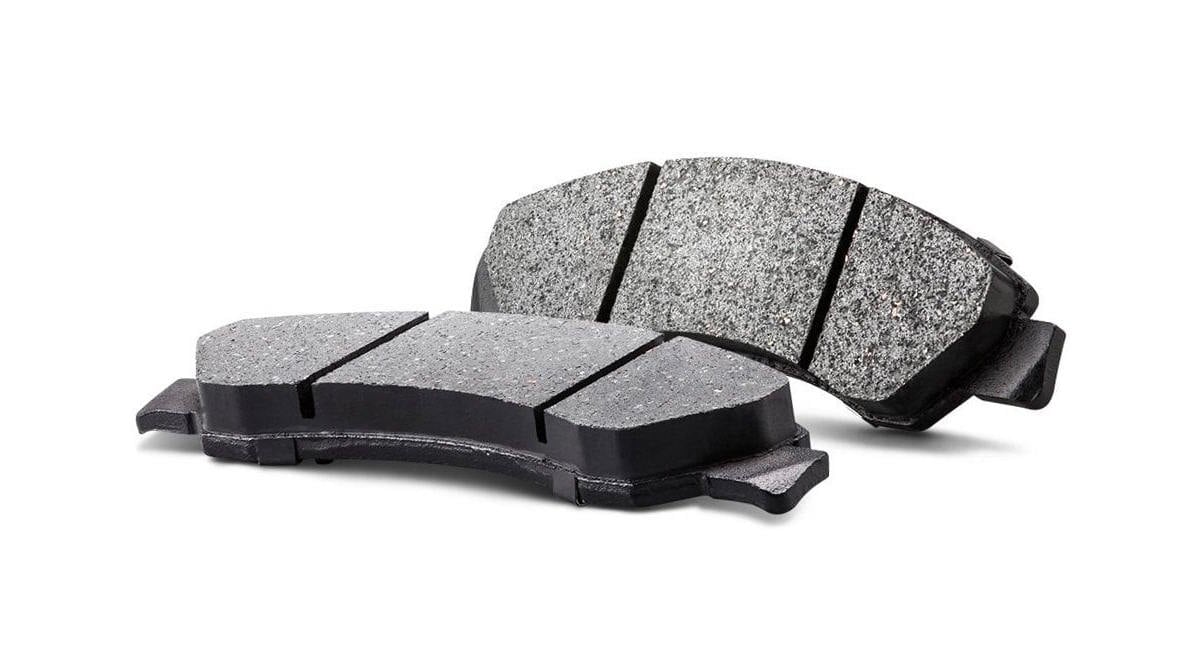
Table of Contents
Squeaking, vibrations, or increased braking distance — these warning signs often point to worn brake pads. Even though the condition of brake pads is often overlooked, they remain one of the most critical safety components, directly impacting the well-being of both the driver and passengers.
Brake pads play a vital role in slowing the vehicle down by creating friction as they press against the brake discs. During braking, they generate a significant amount of heat, which over time wears down the friction material. This makes it essential to monitor brake pad wear and recognize any warning signs from your vehicle.
What Is the Typical Lifespan of Front and Rear Brake Pads?
So, when should you change your brake pads? In most cases, they are replaced after a certain mileage.
- Front brake pads wear out faster because around 70% of the vehicle’s braking force is concentrated on the front axle. It is generally recommended to replace them every 20,000–40,000 kilometers.
- Rear brake pads work under lighter load conditions and therefore last longer — typically 40,000–60,000 kilometers.
However, actual replacement intervals can vary significantly depending on several factors:
- Driving style. Aggressive driving with frequent hard braking accelerates pad wear.
- Driving conditions. Urban driving with frequent stops leads to faster wear compared to highway driving.
- Pad type. Organic, semi-metallic, and ceramic pads all have different durability levels.
- Vehicle weight. Heavier vehicles or those regularly driven with loads will wear out brake pads faster.
- Condition of brake discs. Worn or warped discs can accelerate pad wear.
- Part quality. Budget alternatives usually wear out faster than original components.
- Brake system condition. Sticking calipers or pistons can cause uneven wear.
It's worth noting that brake pads on vehicles with automatic transmissions wear out faster than on those with manual gearboxes. This is because drivers of manual cars often downshift to brake with the engine, reducing the strain on the brake system. In automatic vehicles, brake pad replacement may be needed 15–20% more frequently.
Signs That It's Time to Replace Your Brake Pads
How can you tell when your brake pads need replacing? Here are the main symptoms:
- Friction layer thickness. If the pad material is less than 3 mm thick, plan for a replacement. If it’s under 1.5 mm, change them immediately.
- Vibrations in the steering wheel or brake pedal, or the vehicle pulling to one side during braking, may indicate uneven pad wear.
- Squeaking noises when braking are also a red flag. Many pads are equipped with metal wear indicators that produce a warning sound when the pad material is critically low. Grinding or metal-on-metal noises should prompt an immediate check of the brake system.
- Brake pad wear sensor warning. Many modern vehicles are equipped with electronic wear sensors that display a dashboard warning when the pads need to be changed. Additional signs may include brake vibrations and increased stopping distance.
How Often Should Brake Pads Be Checked? The frequency of replacement also depends on how often the brake system is inspected. It is recommended to check the condition of the brake pads every 10,000–15,000 kilometers or at least once a year, even if the car isn’t driven much — for example, during an annual vehicle inspection. A convenient time to do this is when changing seasonal tires, as this gives the mechanic access to the brake components and allows them to assess wear. Grooves on the pad surface are normal and indicate that wear is within acceptable limits.
Conclusion
There’s no universal mileage after which brake pads must be replaced — it depends on your driving habits and the conditions in which the vehicle is used. Key recommendations:
- Inspect regularly — every 10,000–15,000 km;
- Average lifespan — 30,000–40,000 km;
- Immediate replacement — if the pad thickness is under 1.5 mm.
How often you should replace your brake pads depends largely on your driving habits and the conditions in which the vehicle is used. Regular inspections are the best way to ensure safety and avoid costly repairs.
Don’t postpone replacement — if you hear unusual noises or notice reduced braking efficiency, seek professional inspection promptly. It's always better to replace brake pads early than to risk a major breakdown in a critical moment.
When the time comes, you can find the right brake pads in our online store — we offer a wide selection, competitive prices, and fast delivery across the country.
Select the right brake pads for your vehicle in the catalogue.
Go to the brake pads catalogueFrequently Asked Questions
How often should brake pads be replaced?
It is recommended to inspect them every 10,000–15,000 km. Average lifespan: front pads — about 20,000–40,000 km, rear pads — 40,000–60,000 km.
What determines the lifespan of brake pads?
Driving conditions, driving style, pad quality, vehicle load, and the condition of the braking system.
What are the signs that brake pads need replacement?
Pad lining thickness under ~3 mm, squeaking or metallic noise when braking, longer stopping distance, or noticeable vibration.
Is it enough to rely only on mileage when replacing pads?
No, mileage is just an approximate indicator. It is important to check the actual condition: pad thickness, wear level, and brake performance.
What happens if severely worn brake pads are not replaced in time?
Braking efficiency may decrease, disc wear may accelerate, and there may be a risk of brake system failure or costly repairs.