

Hot Brake Discs — Is It Normal?
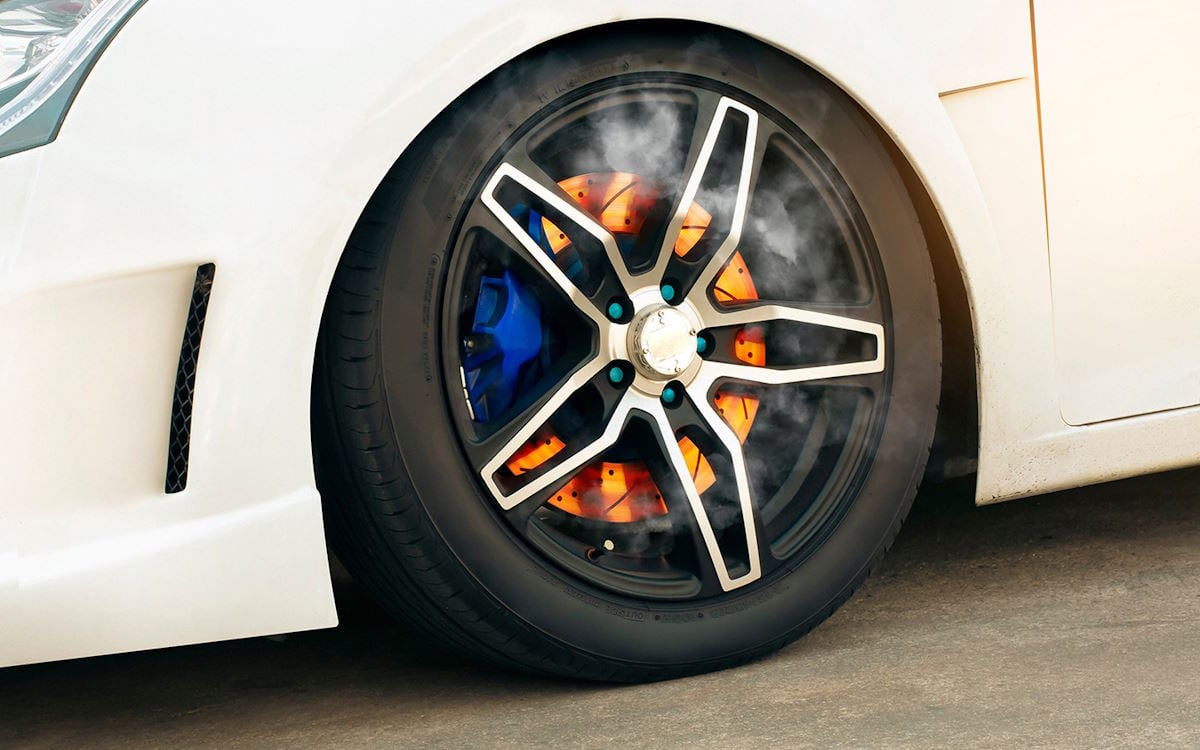
Table of Contents
Are hot brake discs after a drive a cause for concern? In most cases, no. During braking, friction occurs between the brake pads and the disc, and the vehicle’s kinetic energy is converted into heat. For this reason, brake disc heating is a natural part of how the braking system works. If you are wondering, “Are hot brake discs normal?”, the answer is usually yes — in most cases this is completely normal.
Why Brake Discs Heat Up
Brake discs heat up because, during braking, the pads are pressed firmly against the surface of the disc. The friction between these components converts the vehicle’s kinetic energy into heat, which then needs to be dissipated into the surrounding environment.
Under normal conditions, the temperature of brake discs can reach approximately 200–300°C. During intensive braking or long downhill driving at higher speeds, the temperature may be significantly higher. This is still considered normal, as the braking system is designed to operate at high temperatures.
It is also important to remember that brake discs are designed to effectively dissipate excess heat. While driving, they are cooled by the airflow around the wheels, and many vehicles also use ventilated brake discs that allow heat to disperse more quickly. Thanks to this design, even after heavy braking the braking system can return to its normal operating temperature relatively quickly.
For this reason, hot brake discs after a drive do not necessarily indicate a malfunction. In many cases, this is simply a natural result of how the brakes operate, especially if the vehicle has been driven intensively.
When Hot Brake Discs Are Normal
There are many situations in which an elevated brake disc temperature is completely natural. Most commonly, this occurs in the following cases:
- during frequent braking in city traffic;
- when driving downhill on long or steep descents;
- after dynamic driving with frequent acceleration and braking;
- after a long journey when the braking system has been used intensively.
In such situations, the discs may be very hot immediately after the vehicle stops. However, it is important that both discs on the same axle heat up to a similar degree. An even temperature usually indicates that the braking system is operating properly.
When High Brake Disc Temperature May Indicate a Problem
Sometimes, excessive brake disc heating may indicate a fault in the braking system. In such cases, it is worth paying attention to several warning signs.
A cause for concern may arise if one disc is significantly hotter than the other, a strong burning smell appears, or the vehicle begins to pull to one side during braking. These symptoms may indicate a problem with the brake caliper, worn brake pads, or uneven pressure within the braking components.
In some cases, excessive heat may also be caused by a sticking brake caliper or seized guide pins that fail to retract the pads after the brake pedal is released. In this situation, the pads continue to slightly rub against the disc, which leads to continuous heat generation.
If you notice similar symptoms, it is advisable to inspect the braking system more thoroughly.
More information about brake disc wear and overheating can be found in our articles: “Symptoms of Worn Brake Discs” and “Symptoms of Overheated Brake Discs.”
How to Ensure Proper Operation of Brake Discs
To keep the braking system working correctly, it is important to follow several basic operating principles. Regular inspection and an appropriate driving style help reduce the risk of brake disc overheating.
First of all, the condition of brake pads and brake discs should be checked regularly, as worn components may lead to uneven heating. It is equally important to inspect the brake calipers and guide pins, which are responsible for ensuring proper pad pressure against the disc.
After heavy braking, it is advisable to avoid holding the brake pedal pressed for a long time while the vehicle is stationary. In such situations, the hot pads remain pressed against the disc, which makes cooling more difficult. It is also good practice to avoid aggressive driving, as it places excessive load on the braking system.
Regular brake maintenance helps maintain braking efficiency and prevents more serious problems in the future.
Conclusions
During braking, brake discs always heat up because friction converts the vehicle’s kinetic energy into heat. That is why drivers often ask: are hot brake discs normal? In most cases, the answer is yes.
A high disc temperature after driving is a natural phenomenon and does not necessarily indicate a malfunction. A reason to inspect the braking system appears only when the heating is excessive, uneven, or accompanied by other warning signs.
Regular brake inspections and a calm driving style help keep brake discs in good condition and ensure road safety.
If replacement parts for the braking system are needed, suitable components can be selected in the catalogue.
Go to the brake parts catalogueFAQ
Why do brake discs become hot after driving?
Because braking creates friction between the brake pads and the disc. The vehicle’s kinetic energy is converted into heat, which causes the discs to heat up.
Is it normal for brake discs to be hot after stopping the car?
Yes, in most cases this is normal, especially after dynamic driving or frequent braking.
What temperature of brake discs is considered normal?
During normal operation, brake discs can heat up to around 200–300 °C.
When can hot brake discs indicate a problem?
If one disc is much hotter than the other, there is a burning smell, or the car pulls to one side while braking.
How can you reduce the risk of brake disc overheating?
Regularly check the condition of the brake pads and calipers and avoid aggressive braking.