

Signs of Worn Brake Discs
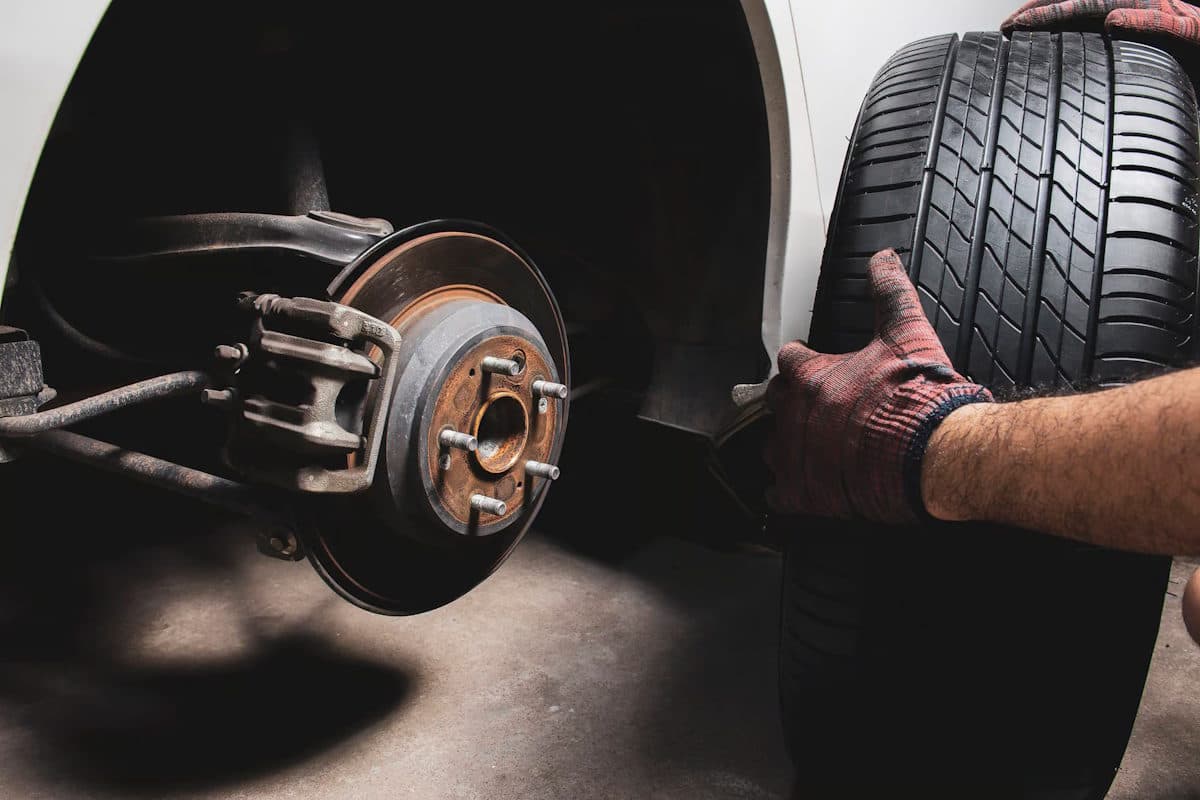
Table of Contents
You're driving on the motorway when suddenly an animal darts across the road. You slam on the brakes—and nothing happens. For car owners with worn brake discs, this can be a real and dangerous scenario. The braking system is what separates a safe journey from a serious accident. Brake discs are subjected to intense daily stress, and their wear often goes unnoticed until a critical moment. Detecting the early signs of wear is not just about maintaining your car—it’s about protecting your safety and that of others on the road.
Symptoms of Brake Disc Wear
Brake disc wear doesn’t happen overnight. It’s a gradual process, and the first signs can be easy to miss. However, an experienced driver should watch out for the following indicators:
- Vibrations when braking. One of the most noticeable signs of disc wear is vibration in the steering wheel or brake pedal during deceleration. This is usually caused by a warped disc that has lost its original shape. The uneven surface results in inconsistent contact with the brake pads.
- Squealing or metallic noises. Unusual sounds during braking are another red flag. If you hear squealing or a metallic grinding noise when pressing the brake pedal, it could indicate that the brake pads are fully worn out or that the disc surface is damaged.
- Longer braking distance. If the car takes longer to stop or responds with a delay, worn discs may be the culprit. An increased braking distance is a serious warning sign that should never be ignored.
- Vehicle pulling to one side. If the car pulls left or right when braking, this could mean uneven disc wear. This issue is particularly dangerous during emergency braking as it affects vehicle stability.
- Brake pedal pulsation. A pulsing sensation in the brake pedal while braking often points to disc deformation. This symptom is especially noticeable when decelerating from high speeds.
- Overheating. Overheated brake discs are a serious concern. If you notice your wheels are excessively hot after driving, or smell something burning, it may mean the discs can no longer dissipate heat properly due to advanced wear. We’ve described the signs of overheating in more detail in a separate article.
How to Visually Check if Brake Discs Need Replacing
In addition to recognizing the signs during driving, it’s important to visually inspect the condition of the discs:
- Measuring disc thickness. This is the primary parameter for assessing disc usability. Every manufacturer specifies the minimum allowable thickness. To ensure even wear, use a micrometer or caliper to measure the thickness in several places on the braking surface.
- Ridge on the disc edge. A prominent ridge on the disc’s outer edge is a clear sign of wear. This forms because brake pads do not make full contact with the disc edge. If the ridge exceeds 1 mm in height, it indicates significant wear.
- Cracks and scratches. Cracks are extremely dangerous and require immediate disc replacement. Even small fractures can spread rapidly due to thermal and mechanical stress.
- Corrosion on the braking surface. If rust remains on the working surface after several braking attempts, it could be time to replace the disc. Minor corrosion near the edges or in ventilation holes is acceptable, but rust in the friction zone reduces braking performance.
- Signs of overheating. A bluish tint on the disc indicates overheating, which may have altered the material structure. Warped discs can also be identified by discoloration and surface deformation.

When Should Brake Discs Be Replaced?
Brake discs don’t have a fixed service life. Manufacturers generally recommend inspecting the braking system every 15,000–20,000 kilometers, with discs typically lasting 50,000–70,000 kilometers. However, actual lifespan depends on several factors:
- Driving style (aggressive driving accelerates wear)
- Road conditions (city driving causes faster wear)
- Quality of the discs and brake pads
- Vehicle weight (heavier cars strain the brakes more)
- Operating conditions (towing, mountain driving, etc.)
Mileage alone isn’t enough to determine disc condition. The presence of actual wear symptoms is far more important, especially for drivers with dynamic driving habits or who drive in demanding conditions.
Always replace brake discs in pairs—both wheels on the same axle. Even if only one disc appears worn, replacing them as a pair ensures balanced braking and safer performance.
Conclusion
The performance of your braking system is critical for road safety. Regularly checking the condition of your brake discs should be a priority for any responsible driver. Brake disc wear doesn’t happen without warning—these are red flags that, if ignored, could lead to serious consequences.
Keep in mind: the cost of replacing brake discs is far lower than the potential expense of an accident caused by brake failure. Saving money in this area can quickly become a costly mistake.
Stay alert to your vehicle’s behavior, listen to the signs it gives you on the road, and act immediately if you notice any issues with braking. Remember—fully functional brakes protect not just you, but everyone on the road.
Select the right brake discs for your vehicle in the catalogue.
Go to the brake discs catalogueFrequently Asked Questions
What signs indicate brake disc wear?
Typical signs include vibration or “pulsation” of the brake pedal, squeaking or noise during braking, visible grooves or rust on the disc surface, as well as uneven wear.
Why do brake discs wear out?
The main reasons are frequent hard braking, aggressive driving style, high mileage, poor road conditions, and worn brake pads, which accelerate disc wear.
Can you continue driving with worn brake discs?
Temporarily it is possible, but it is unsafe — wear reduces braking efficiency, increases stopping distance, and may lead to damage to other brake system components.
How can you visually tell that a brake disc needs replacement?
Inspect the disc: deep grooves, cracks, heavy corrosion, a noticeable lip on the edge, or visible deformation all indicate that replacement is necessary.
Do brake pads need to be replaced together with brake discs?
It is recommended: new pads on old worn discs perform worse and wear out faster, so replacing both components at the same time ensures stable braking performance.