

Topping Up Coolant: When Is It Necessary?
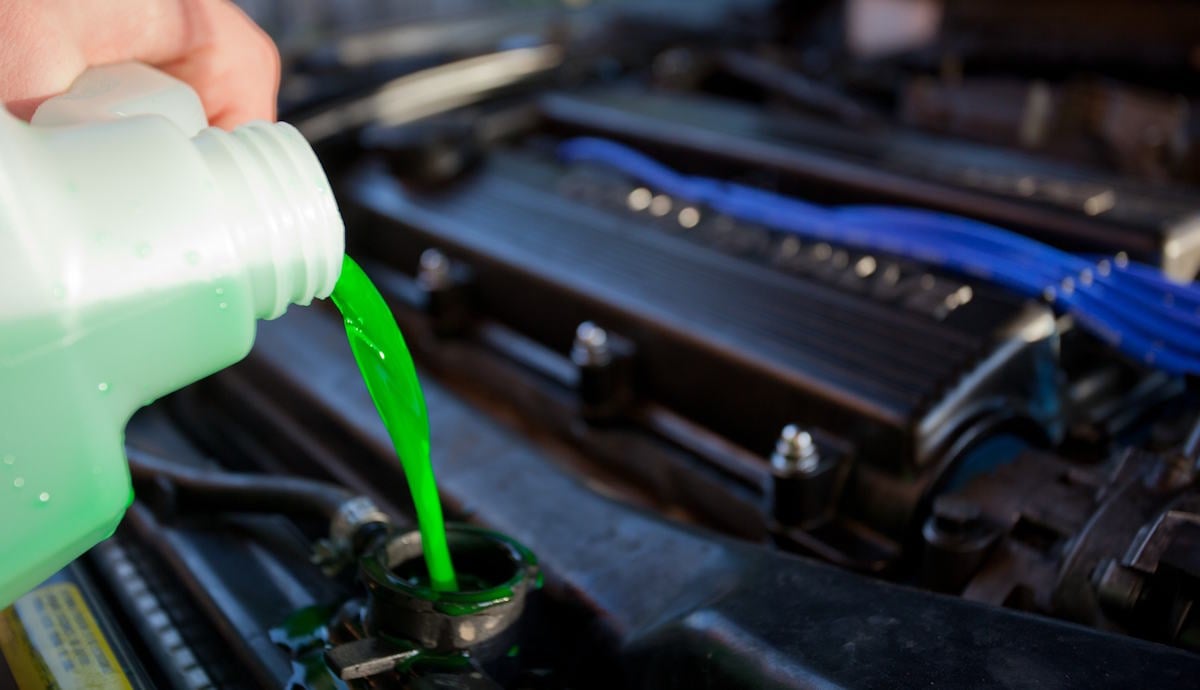
Table of Contents
Coolant is not just some fluid circulating under the hood — it plays a crucial role in your engine’s operation. It cools, protects against overheating and corrosion, and helps maintain a stable engine temperature regardless of weather conditions. Without it, the engine cannot function properly, especially during heatwaves or freezing temperatures.
Over time, the coolant level may drop slightly, which is acceptable due to minor evaporation or seasonal temperature changes. However, if you notice frequent or significant loss of coolant, this could be a warning sign. It may indicate a leak in the cooling system, a damaged radiator, faulty hoses, or a defective expansion tank cap.
For more on the causes of coolant leaks and how to detect and fix them, refer to our dedicated article.
Can You Top Up Coolant?
Yes, you can — but it must be done correctly and at the right time.
Situations when topping up coolant is necessary:
- the level has dropped below the MIN mark on the expansion tank;
- a corresponding warning light appears on the dashboard;
- there are signs of a leak (puddles under the car, a sweet antifreeze smell inside the cabin, fogged-up windshield);
- the cooling system behaves irregularly: the engine overheats or takes too long to reach operating temperature.
Important: If the coolant level is too low, the system can't effectively dissipate heat. This may lead to overheating, cylinder head warping, and in severe cases — complete engine failure. That’s why topping up coolant isn’t just routine maintenance, it’s a vital procedure.
How to Top Up Coolant
The process of topping up coolant is simple, but it must be done with care. Mistakes at this stage can reduce cooling efficiency or even cause serious engine damage.
Here’s how to do it properly:
Step 1. Turn off the engine and let it cool
This is essential. Never open the expansion tank while the engine is hot — the system is pressurized, and removing the cap can cause hot fluid and steam to spray out, leading to severe burns.
Step 2. Locate the expansion tank
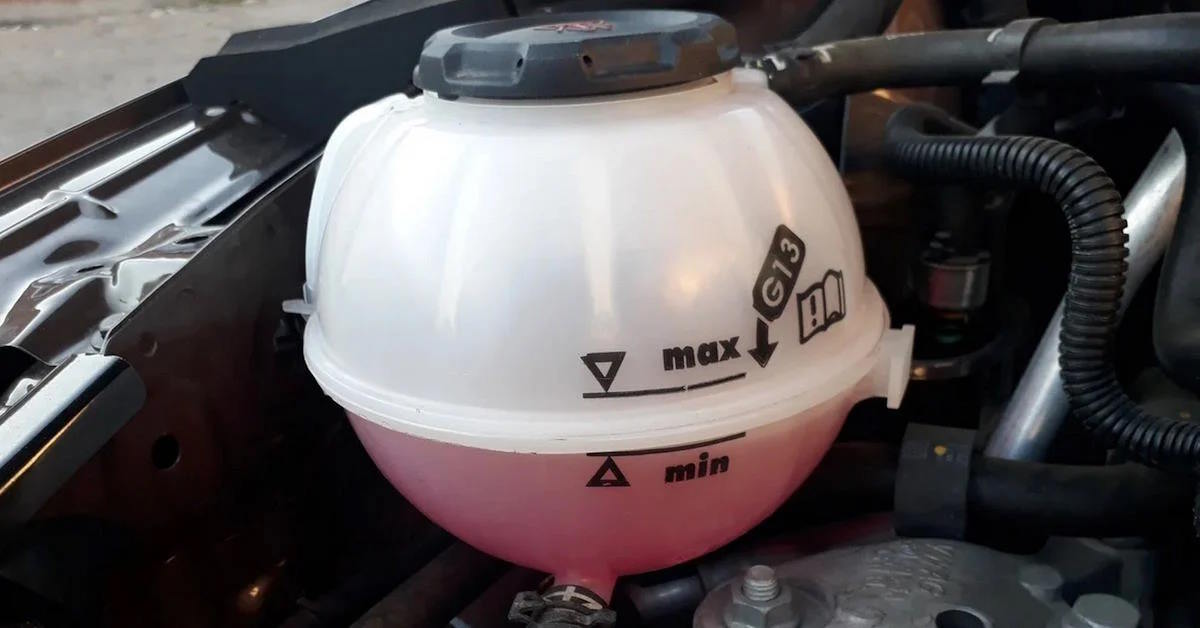
It’s usually a translucent container with a cap and MIN/MAX level markings. These indicate the minimum and maximum acceptable fluid levels.
Step 3. Check the level
If the coolant is between the marks — no action is needed. If it's below MIN — top-up is required. If the tank is completely empty, there may be a leak. In that case, don’t risk starting the engine. First, find and fix the leak, then refill the coolant and restart the engine only after that.
If this happens on the road, the safest option is to call for roadside assistance. Driving without coolant may cause overheating and serious engine damage.
Step 4. Prepare the correct coolant
Use the same type already in the system — ideally the same brand. If you’re using a concentrate, dilute it with distilled water according to the manufacturer’s instructions (typically 1:1).
Step 5. Add coolant gradually
Carefully pour in the coolant until the level reaches the MAX mark — no higher. Do not overfill the tank. Coolant expands when heated, and any excess will be expelled through the cap’s pressure relief valve.
Step 6. Close the cap and check the system
Tightly secure the expansion tank cap and check for any leaks around the hoses and fittings. After a short drive, recheck the level — it may drop slightly, especially if the system was previously very low or contained air pockets.
Can You Add Water to Coolant?
Sometimes while on the road, you might urgently need to top up the coolant but only have water available. So, is it okay to add water?
Yes, but only as a temporary solution
In an emergency — for example, if the engine is overheating and you don’t have the proper coolant on hand — you can add distilled water to get to the nearest service point. Using tap or drinking water should be a last resort, as it contains minerals and impurities that may harm the cooling system.
When doing so, try not to exceed 10–20% water of the total coolant volume to limit potential damage.
Why water should not be used long-term:
- it offers no corrosion protection;
- it reduces thermal efficiency;
- it can freeze in low temperatures and damage the system.
After using water in an emergency, it's recommended to replace the coolant completely with the correct type and concentration as soon as possible, according to the manufacturer's specifications.
How to Top Up Coolant If You Don't Know What's Already in the System
This is a fairly common scenario — especially if you’ve recently bought a used car or simply aren’t sure what type of coolant was used before. In this case, it’s important to proceed carefully to avoid damaging the cooling system.
Why it matters to know the coolant type
Coolants differ in their chemical composition and additives. The main types are:
- IAT – Inorganic Additive Technology (typically green);
- OAT – Organic Acid Technology (often red or orange);
- HOAT / Lobrid – Hybrid Organic Acid Technology, modern formulations.
Mixing different coolant types is not recommended — it can lead to sludge formation, overheating, and clogged passages.
If you're unsure about the type of coolant:
- Try to determine it by the color — this can give a general idea but is not always reliable.
- Check under-hood labels — they may show approved types or specific product names.
- Look in the owner’s manual — it usually lists the recommended coolant types.
- Ask the previous owner or service center where the vehicle was last maintained — there may be records.
- The safest option: flush the system and refill with new coolant — this eliminates compatibility issues and ensures proper performance.
Don’t experiment
If you’re uncertain about the coolant type, don’t take chances. It’s better to spend a bit of time and money on a complete fluid replacement than to face costly engine repairs later.
Pro Tip: Keep a Spare Bottle of Coolant in Your Car
Coolant level issues tend to catch drivers off guard — especially in extreme heat, cold, or during long trips. The simplest way to stay prepared is to keep a 1-liter bottle of the correct coolant in your trunk.
Why it’s a smart move:
- Emergency top-ups — helps you reach a service center without risking engine overheating;
- Peace of mind on the road — especially useful in remote areas without nearby auto shops or gas stations;
- Engine protection — even short-term coolant loss can lead to severe engine damage.
If you’re unsure what coolant is in your system, don’t rely on “universal” products. It’s best to use what your car manufacturer recommends — especially if you drive a turbocharged vehicle or one with an aluminum engine, which are more sensitive to overheating.
Making a habit of checking your coolant level every two weeks is also a good idea. It takes less than a minute but could save your engine from serious trouble.
You can purchase coolant directly from us — our catalog features a wide selection of trusted products from well-known manufacturers.
Go to the antifreeze catalogueFinal Thoughts
Topping up coolant is a simple yet crucial task that directly affects your engine’s health. Regularly check the coolant level, use only compatible fluids, and avoid adding water unless absolutely necessary. If you’re unsure what type of coolant is in your system, don’t take risks — it’s better to completely replace it. Keeping a spare bottle of coolant in your car is a smart habit that can help you respond quickly on the road and prevent overheating. A quick check could save you from serious engine damage. Take care of your vehicle — and it won’t let you down, no matter the season.
Frequently Asked Questions About Topping Up Coolant
Can I add distilled water to coolant?
Yes, but only in emergencies when no proper coolant is available. Water should not be used regularly — it lowers cooling efficiency and speeds up wear on system components.
Can I add concentrated coolant?
No. Concentrate must be diluted with distilled water in the proper ratio (typically 1:1). Adding undiluted concentrate can impair heat transfer and damage the cooling system.