

Polishing a Car's Windshield
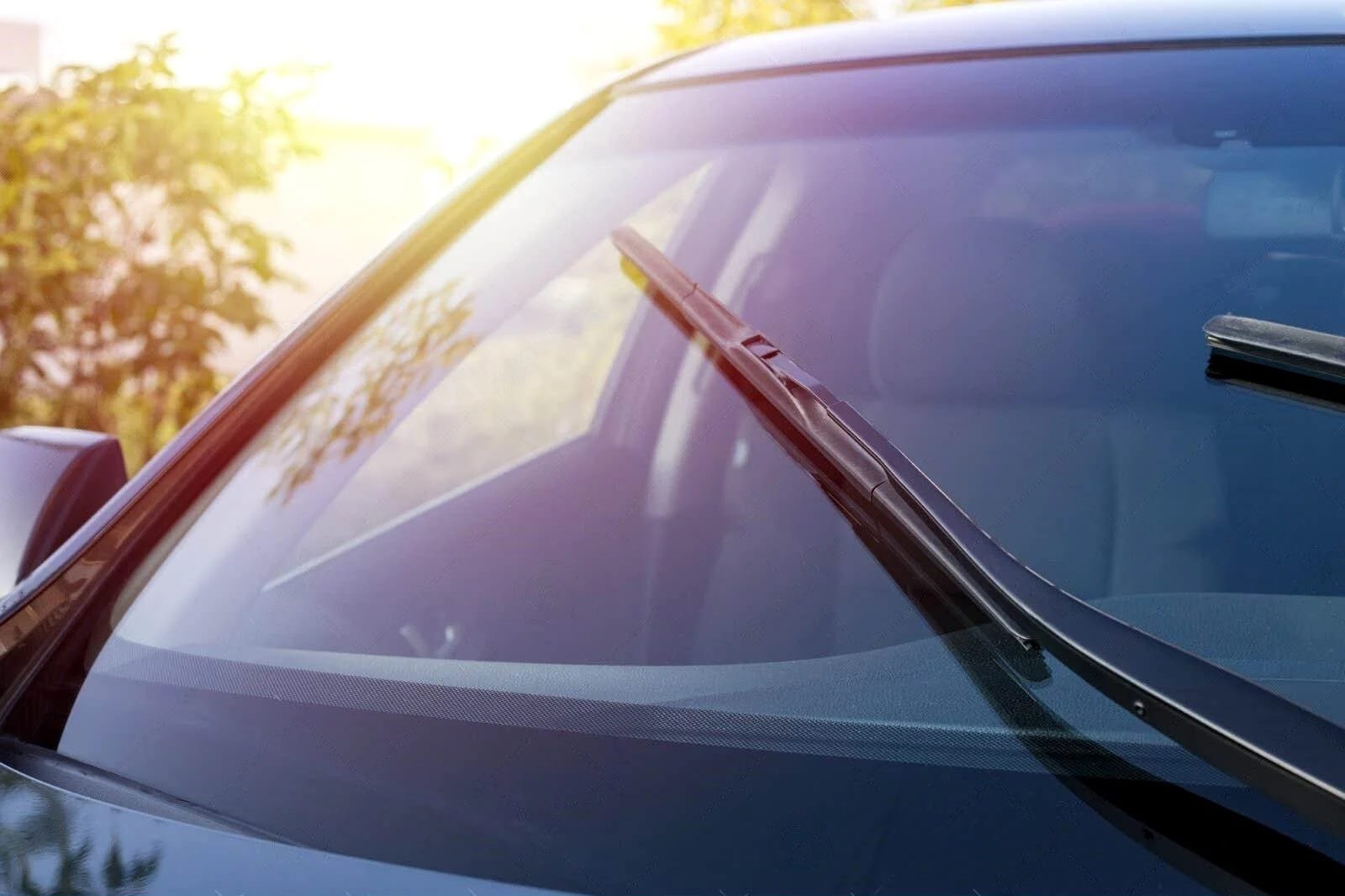
The condition of a car's windshield is crucial for safe driving. Cracks, scratches, and other damage can impair visibility and distract the driver, increasing the risk of accidents. Regularly polishing the windshield not only enhances the vehicle's appearance but also helps prevent the spread of micro-cracks, thereby extending the windshield’s lifespan.
Table of Contents
- Why does the condition of the windshield deteriorate over time?
- What types of glass damage exist?
- Glass polishing or replacement: which to choose?
- Necessary equipment for glass polishing
- The process of polishing a car's windshield
- The process of grinding and polishing side glass
- How to prevent scratches on the windshield?
- Conclusion
Why does the condition of the windshield worsen over time?
Several common reasons include:
- Low-quality glass: Flaws in the manufacturing process can create surface irregularities, making the glass more prone to chips and cracks.
- Scratches and wear: Over time, the windshield naturally wears down, acquiring both minor and major scratches from tree branches, road grime, and sand, which reduce visibility.
- Weather conditions: Extreme temperature fluctuations, heavy precipitation, and prolonged exposure to ultraviolet light gradually worsen the condition of the windshield.
- Scratches from ice removal: Cleaning the glass with a scraper can leave traces that worsen visibility.
- Wiper wear: The area under the wipers can become worn due to dirt on the rubber blades. Furthermore, a malfunctioning wiper might leave a deep scratch.
What types of glass damage exist?
Immediate glass replacement is necessary if it has significant defects. For minor damages, polishing is recommended. Let's see which windshield defects are minor and which are significant.
Minor damages:
- Thin scratches: Surface scratches on the windshield that cannot be felt with a fingernail.
- Water spots: Stains from hard water or mineral deposits.
- Small chips: Minor chips not exceeding 30 micrometers (µm) in diameter.
Significant damages:
- Deep scratches: Scratches that can be felt with a fingernail and penetrate deeply into the glass.
- Chips and cracks: Large chips or cracks, especially those located in the driver's field of view.
- Deep chips: Chips exceeding 30 micrometers (µm) in diameter that pose a risk of expanding into cracks.
Glass Polishing or Replacement: Which to Choose?
There are two options for eliminating unwanted scratches: one is more expensive and radical, while the other is more affordable but less effective. The first option involves a complete replacement of the glass, and the second option is polishing it. Both methods have their advantages and disadvantages.
The main advantage of glass replacement is the guaranteed result. However, this option is more costly and may raise questions among potential buyers when selling the car.
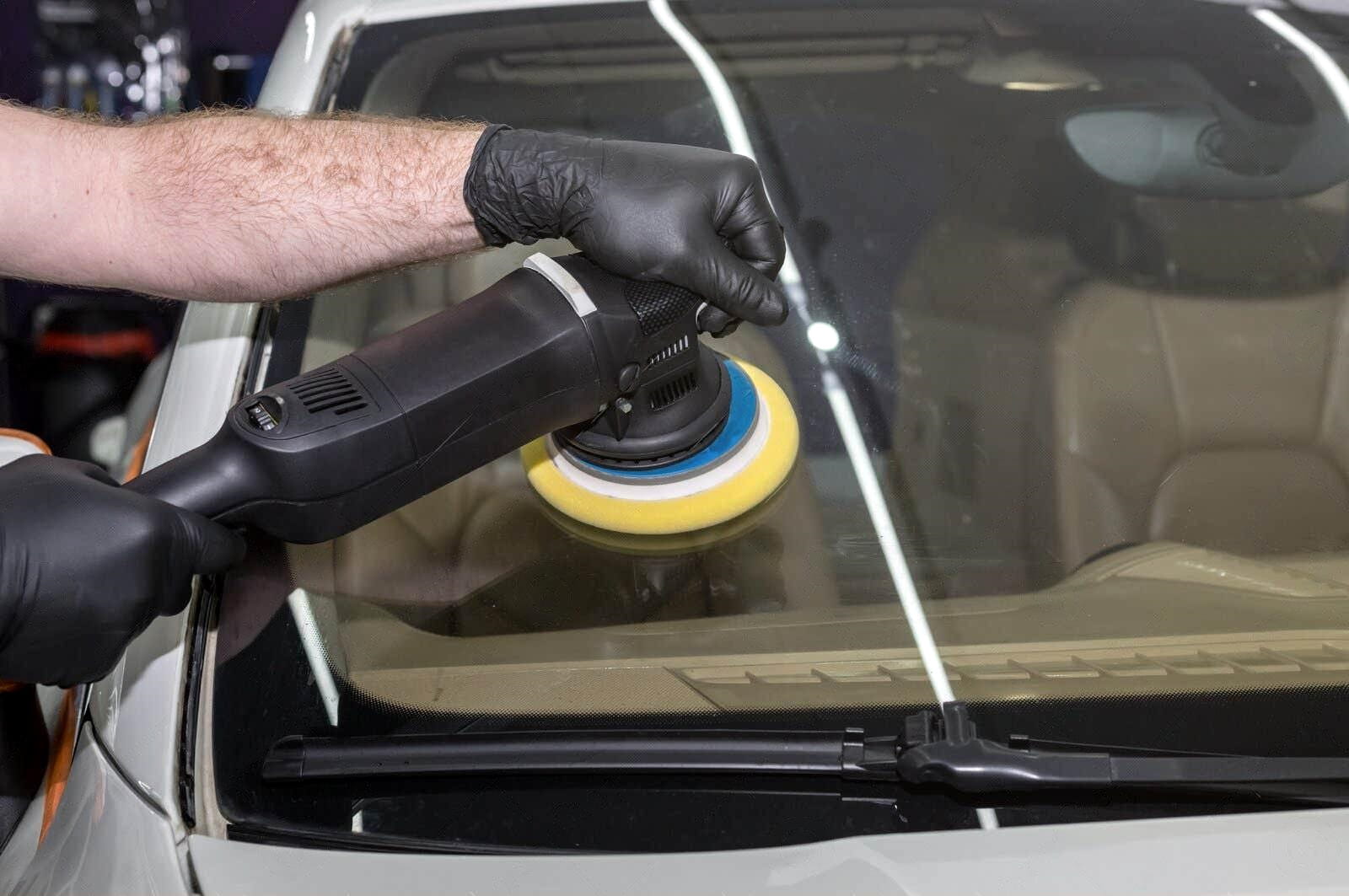
Regarding polishing, its main advantage is cost savings. However, the drawbacks include its low effectiveness in removing deep scratches and the potential for a lens effect, especially after poor-quality preliminary grinding. Nonetheless, qualified professionals can typically avoid these issues.
The lens effect is an optical phenomenon where light is improperly refracted due to irregularities or distortions in the glass, creating a distorted or blurred image. This can make it difficult for drivers to perceive road situations.
When should you opt for polishing?
- When the glass has minor scratches, cloudiness, stains, scuffs from a scraper, or wear from windshield wipers.
- If the glass is equipped with features such as heating, rain sensors, a camera, and is high-cost.
- If you want to preserve the original glass to confirm the absence of accidents when selling the car.
High-quality professional glass polishing can successfully repair damage up to 30 micrometers (µm) deep, which cannot be felt with a fingernail. To correct more serious defects, such as deep scratches and chips, abrasive materials are required. Grinding is not recommended for windshields with a spherical shape due to the high risk of altering the glass's geometry, which can lead to the lens effect. Instead, grinding followed by polishing is mainly used when working with side glasses.
When should you opt for windshield replacement?
- When there are numerous and serious damages present.
- If the cost of a new windshield is almost equal to the price of polishing.
- If you are not concerned about preserving the original glass.
You can choose new glass for your car in our catalog.
Go to the windshields catalogueDIY polishing without specific skills can lead to glass damage or complete destruction.
Necessary Equipment for Glass Polishing
To properly perform polishing and achieve the desired result, you will need specialized equipment and materials. Here is a list of what you will need:
- A polishing machine or a drill with a polishing attachment (a felt polishing disc).
- Abrasive discs of various grits.
- A water sprayer or glass cleaner, as well as a can of compressed air.
- Microfiber towels, paper towels, or soft clean cloths.
- Protective gloves, glasses and a respirator.
- Marker.
- Painter's tape.
- A cerium oxide-based polishing compound. If the compound is not ready-made, mix cerium oxide powder with water to achieve a creamy consistency.
When carrying out polishing work, it's important not to forget about personal safety. Since splashes can occur during the process and spread in various directions, it's necessary to wear special protective clothing. This helps avoid contact with abrasive materials and chemical substances.
If the work takes place in a garage, care should be taken to protect its walls from possible contamination. This helps maintain cleanliness and order in your workspace.
To protect the car from accidental stains and scratches, it's recommended to cover it with a protective film, leaving only the work area—the windshield—exposed. To ensure the film is securely fixed to the car's body, painter's tape is the best option. It provides a strong grip without leaving marks on the car's finish after removal.
It's not advisable to use an angle grinder or a similar high-speed rotary tool for polishing, as their high rotation speed can lead to overheating and cracks in the glass.
It's important to estimate the approximate cost of polishing and the cost of new glass. Often, it turns out to be more economical to buy new glass rather than polish the old one.
The Process of Polishing a Car's Windshield
Let's explore the process of polishing car glass when there are minor damages such as small scratches, chips, and water spots:
- Carefully clean the glass using a glass cleaner and dry it with a towel. Otherwise, grease, gritty particles, sand grains, and other abrasive elements can get on the polishing disc, potentially causing additional damage to the glass.
- If the scratches are minor and few, mark each area with a marker from the inside to keep track of them.
- Shake the polishing compound well and apply it to the felt disc. For better effect, the compound should be well-absorbed. Before starting, slightly “spread” the compound over the glass surface.
- The polishing process involves circular movements. Move the machine up and down, and from bottom to top, constantly repeating these motions, gradually working on the necessary area. Make slight overlaps with each pass to avoid missing spots. Move across the glass with special caution and do not apply too much pressure. It's recommended to polish at a rotation speed of no more than 1700 rpm.
- It's important to monitor the quality of the polishing and the temperature of the glass heating, as excessive heat can cause the glass to crack. The glass temperature can be lowered with water from a spray bottle, and the quality of the polishing should be visually checked. It's also crucial to watch for the paste drying out and add more as needed.
- If the result is unsatisfactory, add more paste and continue the polishing process until the desired clarity and visibility of the glass are achieved.
- After achieving the desired result, remove the excess paste with water and wipe the surface with a cloth or microfiber towel.
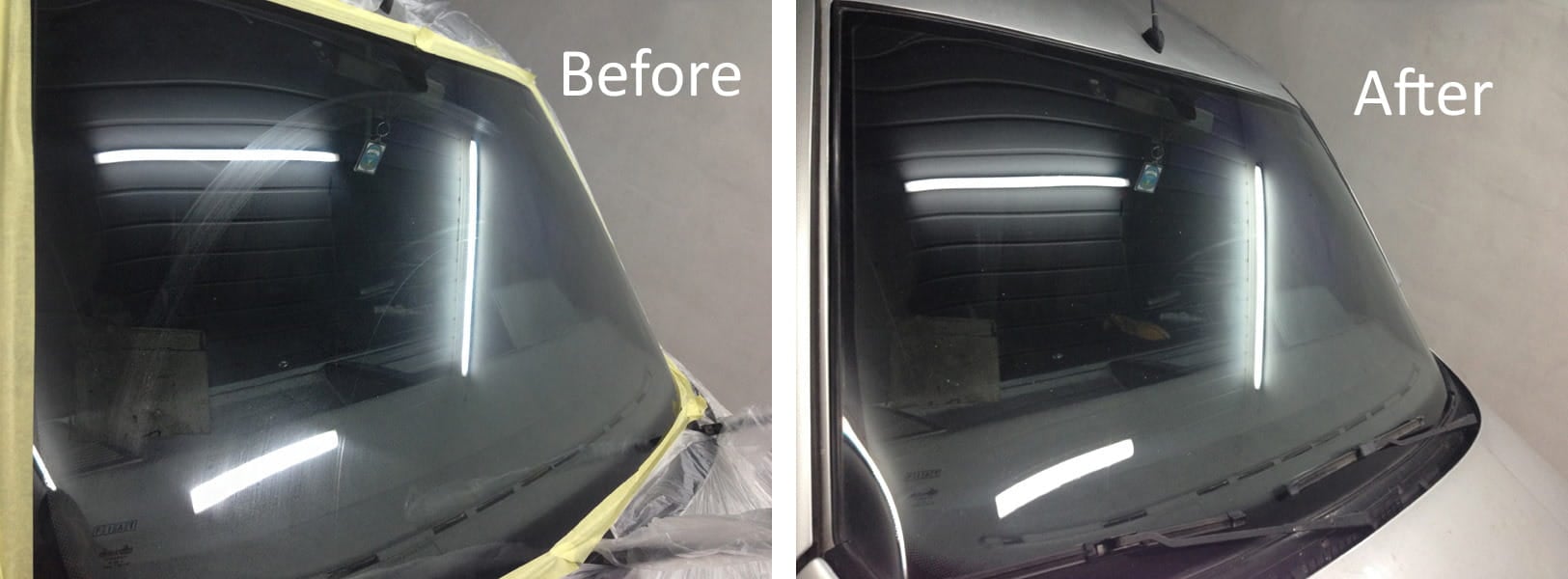
The result you can expect after polishing.
The Process of Grinding and Polishing Side Glass
Let's examine the process of glass polishing for deep scratches that require additional grinding:
- Clean the glass. The surface must be clean, free of grease or any contamination, and dry before grinding.
- Attach a grinding abrasive disc to the polishing machine or drill. Often, an abrasive with a grit of 600 (P600) and a diameter of 120 mm is used.
- Use the polishing machine at medium speed. If you are using a drill, set it to 1200-1700 rpm. Move the nozzle up and down and from bottom to top, constantly repeating these movements, and gradually work the desired area. Make small overlaps with each pass to ensure no spots are missed. The purpose of this step is to remove deep scratches on the glass.
- Switch to an abrasive disc with a grit of (P1000). After using the coarser disc, clean the glass surface with a cloth and repeat the process with the finer abrasive. This step smooths over the traces left by the previous abrasive. Pay special attention to grinding the edges between the worked glass surface and the untouched areas. These sections should be evenly smoothed. When changing abrasives, each subsequent grinding step should extend 2-3 cm around the perimeter to prevent the lens effect on the glass.
- After finishing the grinding, wait for the glass surface to cool down and proceed to the polishing process, described step by step here.
When grinding, it is not recommended to clean the working surface with water. Instead, it is better to clean the surface with compressed air or a cloth, as water can impair the properties of the abrasive and negatively affect the grinding process.
During grinding, the machine should be held level and not tilted at an angle greater than 5 degrees to the glass surface. Tilting can cause additional damage, such as pits, which may be difficult to repair.
It is crucial to monitor the temperature of the glass during grinding; it should not exceed 80 degrees Celsius. If necessary, the glass surface can be cooled using compressed air.
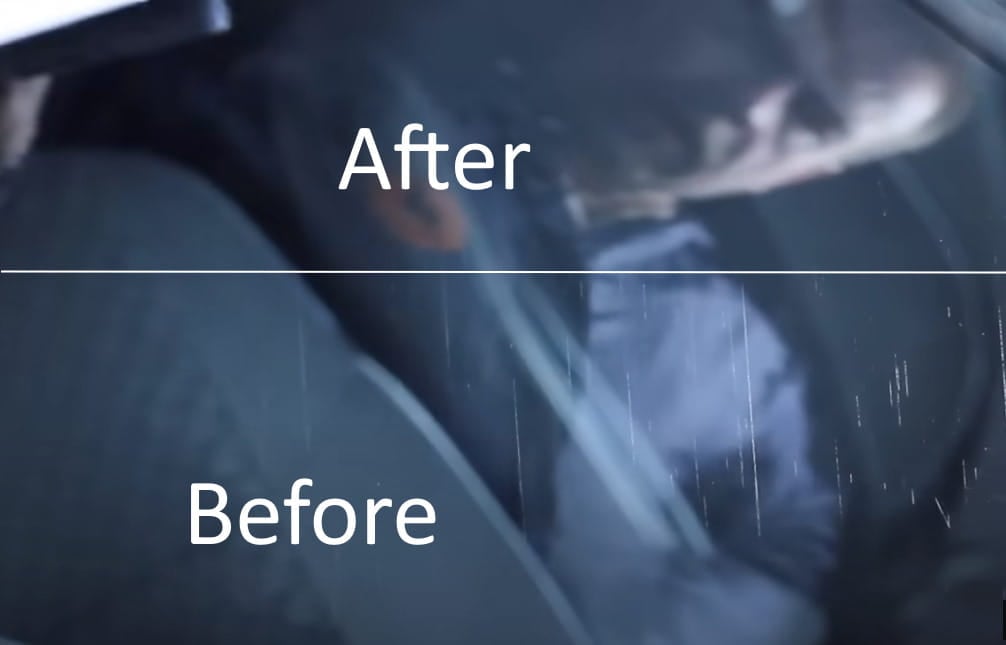
The result you can expect when removing deep scratches through polishing with preliminary grinding.
How to Prevent Scratches on the Windshield?
It is recommended to change the wiper blades immediately after polishing to prevent new scratches.
Several tips for maintaining clean glass:
- Never use wipers in dry weather when it's not raining.
- Replace the wiper blades regularly when they become worn.
- Do not use a scraper to remove ice.
- Apply a protective coating to the glass.
- Use protective film.
Conclusion
DIY polishing of a car's windshield is entirely feasible, but it requires great care, as there is a significant risk of damaging the glass without the proper skills. It's important to remember that even minor mistakes can lead to additional costs for restoration or replacement of the glass. Polishing should only be undertaken if you have experience. If you doubt your skills or lack the necessary tools and materials, it is strongly recommended to seek qualified professionals with good reviews. Typically, they can provide professional polishing services. This approach not only ensures the safety and quality of the work but also saves your time and resources.
Frequently Asked Questions
Why is windshield polishing needed?
Polishing removes fine scratches, streaks, haze, and wiper marks — improving visibility, especially at night and in poor weather conditions.
When should you consider polishing the glass?
If the windshield becomes dull, shows small scratches, visibility is reduced due to glare, or the wipers no longer clean effectively — these are signs that polishing can restore clarity.
Does polishing affect windshield strength?
If done properly — no. However, overly abrasive compounds, excessive pressure, or incorrect technique can damage the surface, so following proper instructions is important.