

What Is a DPF in a Car and What Is It For?
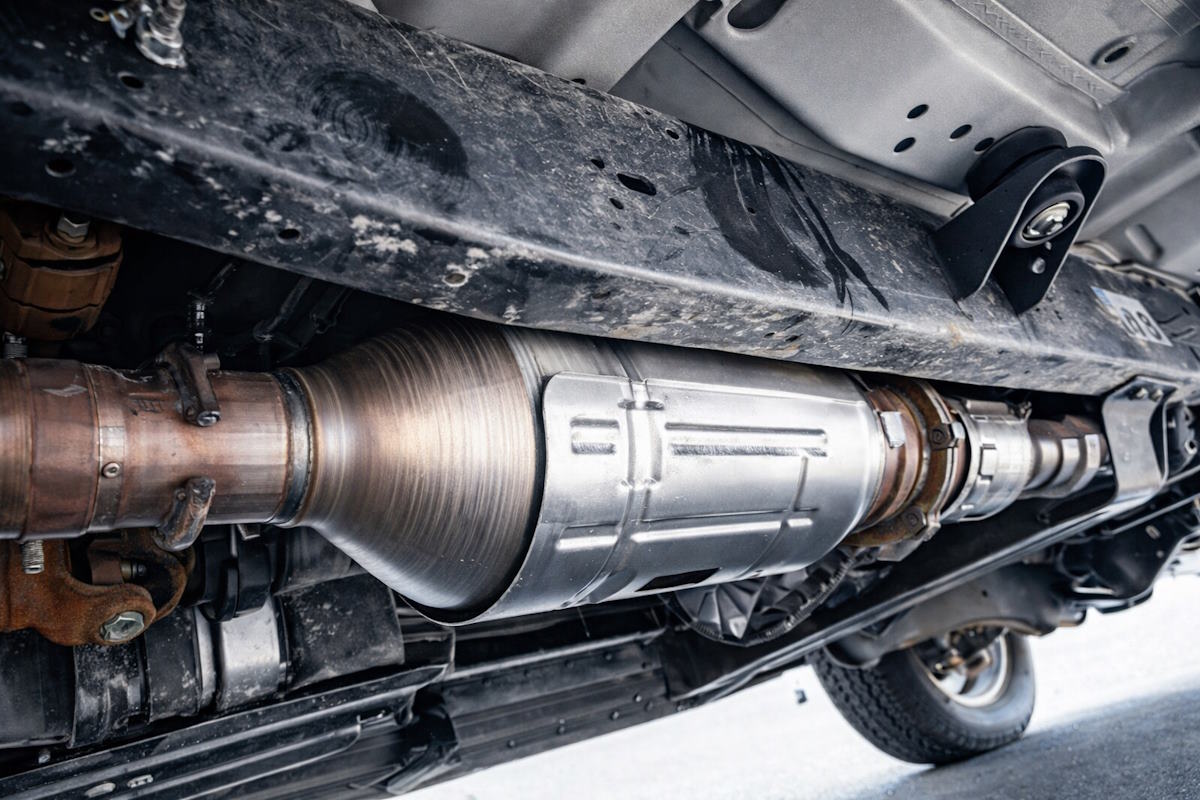
Table of Contents
- What Is a DPF (Diesel Particulate Filter) and What Does It Do?
- What Does a DPF Look Like and Where Is It Located?
- How Does a Diesel Particulate Filter (DPF) Work?
- Symptoms of a Clogged Diesel Particulate Filter (DPF)
- How to Maintain a Diesel Particulate Filter (DPF)
- DPF Regeneration — What Is Important to Know?
- Should You Remove a DPF? Pros and Cons of This Decision
One of the main drawbacks of diesel engines is the high emission of particulate matter — soot generated during the combustion of diesel fuel. To reduce the amount of harmful and carcinogenic substances in exhaust gases, many car manufacturers began equipping vehicles with Diesel Particulate Filters (DPF) in the early 2000s.
In this article, we will explain in detail what a DPF is in a car, what it looks like, where it is located, how a diesel particulate filter works, and how to maintain it properly to avoid costly repairs.
What Is a DPF (Diesel Particulate Filter) and What Does It Do?
Many drivers who are new to diesel vehicles ask: what is a DPF? In simple terms, DPF stands for Diesel Particulate Filter — a component designed to trap solid particles produced during diesel engine operation.
The DPF captures soot particles from the exhaust gases before they are released into the atmosphere. Modern diesel particulate filters can retain up to 95–99% of particulate matter, significantly reducing harmful emissions. This contributes to environmental protection and improves air quality — an important factor in European markets, including Poland.
What Does a DPF Look Like and Where Is It Located?
Now that we understand what a DPF is, let’s look at its construction and placement.
The diesel particulate filter is installed in the exhaust system, typically directly after the catalytic converter. In some vehicle models, the catalytic converter and DPF are integrated into a single module.
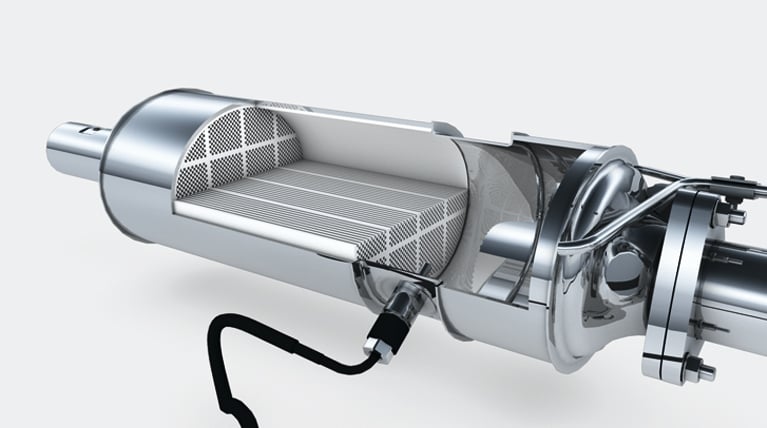
A typical DPF consists of three main components:
- Housing – usually made of stainless steel in the form of a cylindrical metal casing. This material withstands high temperatures and resists corrosion.
- Filter substrate (ceramic core) – the key element responsible for filtration. It is usually made of cordierite or silicon carbide and contains numerous small channels with square or octagonal cross-sections. The channels are alternately closed at opposite ends, forcing exhaust gases to pass through porous channel walls where soot particles are trapped.
- Sensors – modern DPF systems include temperature sensors and differential pressure sensors. These monitor exhaust gas flow and send data to the engine control unit (ECU), enabling the system to detect excessive soot accumulation.
Visually, a DPF resembles a large metal cylinder, similar to a muffler, mounted underneath the vehicle.
How Does a Diesel Particulate Filter (DPF) Work?
The operating principle of a DPF is based on cyclical processes aimed at trapping and removing soot from the exhaust system. Below is a step-by-step explanation of how a diesel particulate filter works:
- Soot capture. Thanks to the special design of the ceramic filter substrate with numerous small channels, soot particles are retained on the porous channel walls, while cleaned exhaust gases pass through and exit the system.
- Soot accumulation. During vehicle operation, deposits gradually build up inside the filter. This reduces the flow capacity of the channels and increases backpressure in the exhaust system. A partially clogged DPF may cause noticeable symptoms while driving, such as reduced engine performance or higher fuel consumption.
- Filter regeneration. When the soot load reaches a critical level, the regeneration process is initiated. It may occur in passive mode, when the exhaust gas temperature increases naturally — for example, during extended motorway driving. It may also take place in active mode, when the engine control unit (ECU) intentionally raises the exhaust temperature to burn off accumulated soot. If automatic regeneration does not occur, a forced regeneration can be carried out in a workshop using professional diagnostic equipment.
- Soot burn-off. During regeneration, accumulated soot is oxidised and converted mainly into carbon dioxide, which is expelled through the exhaust system. As a result, the filter’s flow capacity is restored.
For the DPF to function correctly, the entire exhaust system must operate properly, and the vehicle should be driven under suitable conditions — for example, on longer journeys that allow the exhaust temperature to reach the level required for automatic regeneration.
Symptoms of a Clogged Diesel Particulate Filter (DPF)
Due to its design and constant exposure to exhaust gases, the diesel particulate filter (DPF) gradually becomes clogged over time. When its flow capacity decreases, this affects not only the efficiency of the exhaust system but also the overall performance of the engine. Below are the most common symptoms of a clogged DPF.
- Increased fuel consumption. If the vehicle starts using more diesel fuel despite the same driving style and regular routes, this may be an early sign of DPF blockage.
- Reduced performance. The vehicle may lose pulling power, respond more slowly to throttle input, and struggle during acceleration, especially when driving uphill. These are typical symptoms of a restricted DPF.
- Black smoke from the exhaust. Visible black smoke may indicate serious issues within the exhaust after-treatment system or severe DPF blockage. In a properly functioning system, the diesel particulate filter captures almost all solid particles, so noticeable smoke should prompt immediate diagnostics.
- Rough idling. In cases of heavy clogging, the engine may enter limp mode. This can result in unstable operation at idle and limited engine power.
- Unpleasant smell in the cabin. During active regeneration, a characteristic smell from the heated exhaust system may be noticeable outside the vehicle. This is caused by elevated temperatures required for soot oxidation. While this is normal during regeneration, frequent occurrences should be checked.
- Dashboard warning lights. Illumination of the Check Engine light or a dedicated DPF warning indicator is a common sign of improper filter operation.
- Frequent regeneration cycles. The system may attempt to burn off accumulated soot more often. During this time, engine speed may increase, the engine may sound louder, and slight vibrations may occur.
- Difficult engine start. In severe cases, the system may restrict engine start-up or activate emergency mode to prevent further damage.
Can you drive with a clogged DPF? This is a common question among drivers encountering the issue for the first time. From a technical standpoint, short-term operation may be possible without immediate failure. However, it is associated with several negative consequences.

Firstly, engine power may decrease due to increased exhaust backpressure. Secondly, fuel consumption will rise because the engine must work harder to maintain performance. Thirdly, harmful emissions will increase significantly, as the filter no longer effectively traps particulate matter. Finally, prolonged neglect may lead to damage to other exhaust system components.
If the diesel particulate filter is clogged, it is more sensible to address the issue promptly through professional cleaning or replacement rather than face complications during vehicle inspection or incur substantial repair costs related to the exhaust after-treatment system.
How to Maintain a Diesel Particulate Filter (DPF)
How should a DPF be serviced properly? This question is often asked by diesel vehicle owners who may not fully understand how a diesel particulate filter operates.
DPF maintenance includes both regeneration processes and preventive measures aimed at reducing the risk of premature clogging. Regeneration can occur in passive, active, or forced mode and is designed to burn off accumulated soot. The main purpose of regeneration is to remove soot deposits and contaminants from the filter substrate.
Passive measures that help extend the service life of the DPF and the entire exhaust system include:
- Using high-quality diesel fuel. Premium diesel contains lower levels of sulphur and nitrogen compounds, which reduces the formation of soot and deposits in the exhaust system.
- Regular vehicle servicing. Periodic inspection of the exhaust system, along with timely engine oil and filter replacement, is essential for the proper operation of the diesel particulate filter.
- Using fuel additives where appropriate. In certain cases, specialised additives may support more efficient soot oxidation. However, their use should always comply with the vehicle manufacturer’s recommendations.
It is also advisable to avoid driving exclusively on short trips. When the engine does not reach normal operating temperature, the regeneration process may be incomplete or may not start at all. For this reason, it is beneficial to occasionally undertake longer drives at higher engine speeds. This helps the exhaust temperature rise sufficiently for the filter to burn off accumulated soot and restore its flow capacity.
DPF Regeneration — What Is Important to Know?
A diesel particulate filter, the symptoms of clogging of which were discussed earlier, requires regular regeneration. There are several methods of restoring a DPF, differing in effectiveness and application.
Passive DPF Regeneration
This is a form of automatic regeneration that occurs naturally when the exhaust gas temperature becomes high enough to burn off accumulated soot.
The process most often takes place during longer motorway or expressway driving at higher engine speeds. Under such conditions, exhaust gas temperatures typically reach 350–500°C, allowing the filter channels to be cleaned efficiently without driver intervention.
Active DPF Regeneration
Some vehicles are equipped with an active regeneration system. In this case, the engine control unit (ECU) receives signals from sensors indicating that the soot load has exceeded the permissible level. The ECU then initiates a controlled increase in exhaust gas temperature by means of additional fuel injection and adjusted engine operating parameters.
Exhaust temperatures may rise to approximately 600°C, ensuring effective soot oxidation. The process usually lasts 10–20 minutes and ends automatically once the filter has been sufficiently cleaned.
It should be noted that ash deposits do not burn off during regeneration. They can only be removed through mechanical or water-based cleaning.
Forced DPF Regeneration
Forced regeneration is applied when automatic regeneration does not occur. In such cases, the cleaning process is initiated manually using specialised diagnostic equipment, which artificially increases the exhaust gas temperature to burn off accumulated soot.
In certain situations, dedicated chemical agents may also be used to support and accelerate the cleaning process.
Water-Based DPF Cleaning
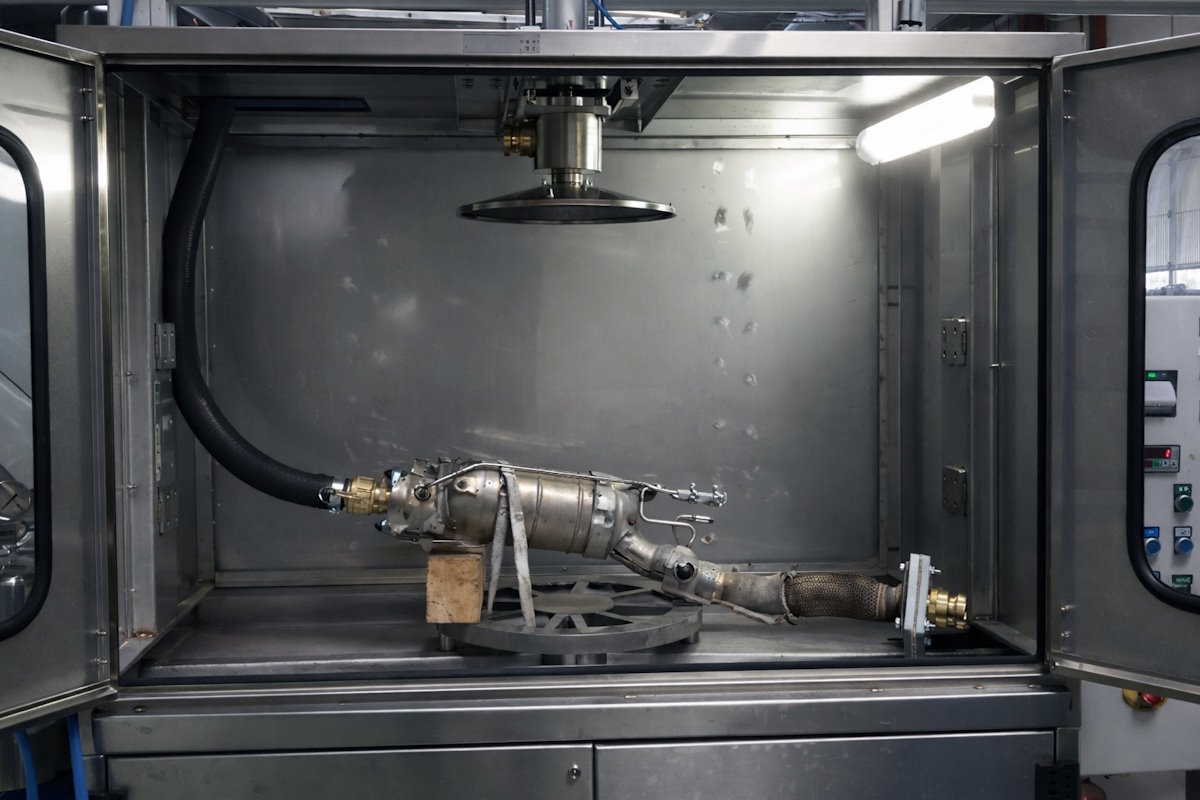
There are several methods of cleaning a diesel particulate filter using water-based techniques.
- High-pressure flushing. This method is used in cases of minor blockage. Water applied under high pressure is forced through the filter channels, removing accumulated deposits and loose contaminants.
- Chemical-assisted cleaning. Specialised cleaning agents are introduced directly into the filter. These chemicals soften and break down soot and residue, making subsequent removal easier. After the treatment, any remaining chemicals are thoroughly rinsed out with high-pressure water.
- Ultrasonic cleaning. The filter is immersed in a water bath where ultrasonic vibrations help break down and detach carbon deposits from the channel walls.
All water-based cleaning methods require prior removal of the DPF from the vehicle. For this reason, such procedures should be carried out exclusively by qualified professionals with appropriate equipment.
Should You Remove a DPF? Pros and Cons of This Decision
Some vehicle owners, understanding what a DPF is and what function it performs, consider removing it from the exhaust system. The following arguments are most commonly presented in favour of this solution.
- Improved vehicle performance. Eliminating the additional restriction created by the filter may slightly increase engine output, which can positively affect acceleration.
- Reduced fuel consumption. Although noticeable savings are typically observed mainly under intensive vehicle use.
- No regeneration-related issues. If the vehicle is used infrequently or primarily for short trips, regeneration may not occur correctly. Removing the DPF eliminates this issue entirely.
- Lower operating costs. A new diesel particulate filter and its replacement can be expensive, so removal is sometimes seen as a cost-saving measure.
Is it possible to remove a DPF? From a technical standpoint, yes — like any other vehicle component, the diesel particulate filter can be removed. Such work is usually performed by specialised workshops dealing with diesel vehicles. However, the potential consequences must be carefully considered.
- Increased harmful emissions. A DPF is capable of trapping up to 90–99% of particulate matter. Its removal results in a significant increase in environmental pollution.
- Legal risks. In many countries, including EU member states, removing a DPF is prohibited by law. This may lead to fines and problems during mandatory technical inspections. A vehicle without a DPF may fail to comply with European emission standards, limiting its legal use on public roads.
- Risk of engine damage. If the work is carried out improperly or the software modification is done incorrectly, engine operation and engine management systems may malfunction.
- Need for ECU reprogramming. The DPF is integrated into the vehicle’s electronic system and monitored by the engine control unit (ECU). After removal, the software must be modified. This is a costly and potentially risky procedure which, if performed incorrectly, can negatively affect the entire system.
There is no universal answer to whether a DPF should be removed. However, considering the purpose and importance of the diesel particulate filter, such a decision should be made carefully. In most cases, regular maintenance and timely replacement at the end of its service life are a more responsible and compliant solution.
If the filter requires replacement, it is worth choosing a proven component that matches your specific vehicle model. When purchasing, you should pay attention to compatibility and build quality.
Select the right diesel particulate filter for your vehicle in the catalogue.
Go to the diesel particulate filter catalogueFAQ
What is DPF in a car?
DPF (Diesel Particulate Filter) is a component installed in the exhaust system of a diesel vehicle. Its purpose is to capture and retain particulate matter (soot) produced during fuel combustion, thereby reducing harmful emissions released into the atmosphere.
How can you tell if the DPF is clogged?
Common signs include loss of engine power, increased fuel consumption, frequent regeneration cycles, black smoke from the exhaust, and warning lights on the dashboard (Check Engine or DPF indicator).
Can you drive with a clogged DPF?
Short-term driving may be possible, but it leads to reduced performance, higher fuel consumption, and increased engine load. Long-term operation with a blocked filter can result in serious exhaust system damage and costly repairs.
How does DPF regeneration work?
Regeneration is the process of burning off accumulated soot. It can occur passively (during highway driving at higher speeds), actively (automatically initiated by the engine control unit), or forcibly in a service center using diagnostic equipment.
Is it worth removing the DPF?
DPF removal is technically possible, but it increases emissions, may cause issues during technical inspections, and requires modification of the engine control unit software. In most cases, regular maintenance or timely replacement is a more reasonable solution than complete removal.