

Types of Spark Plugs — What Types Are There and How Do They Differ?
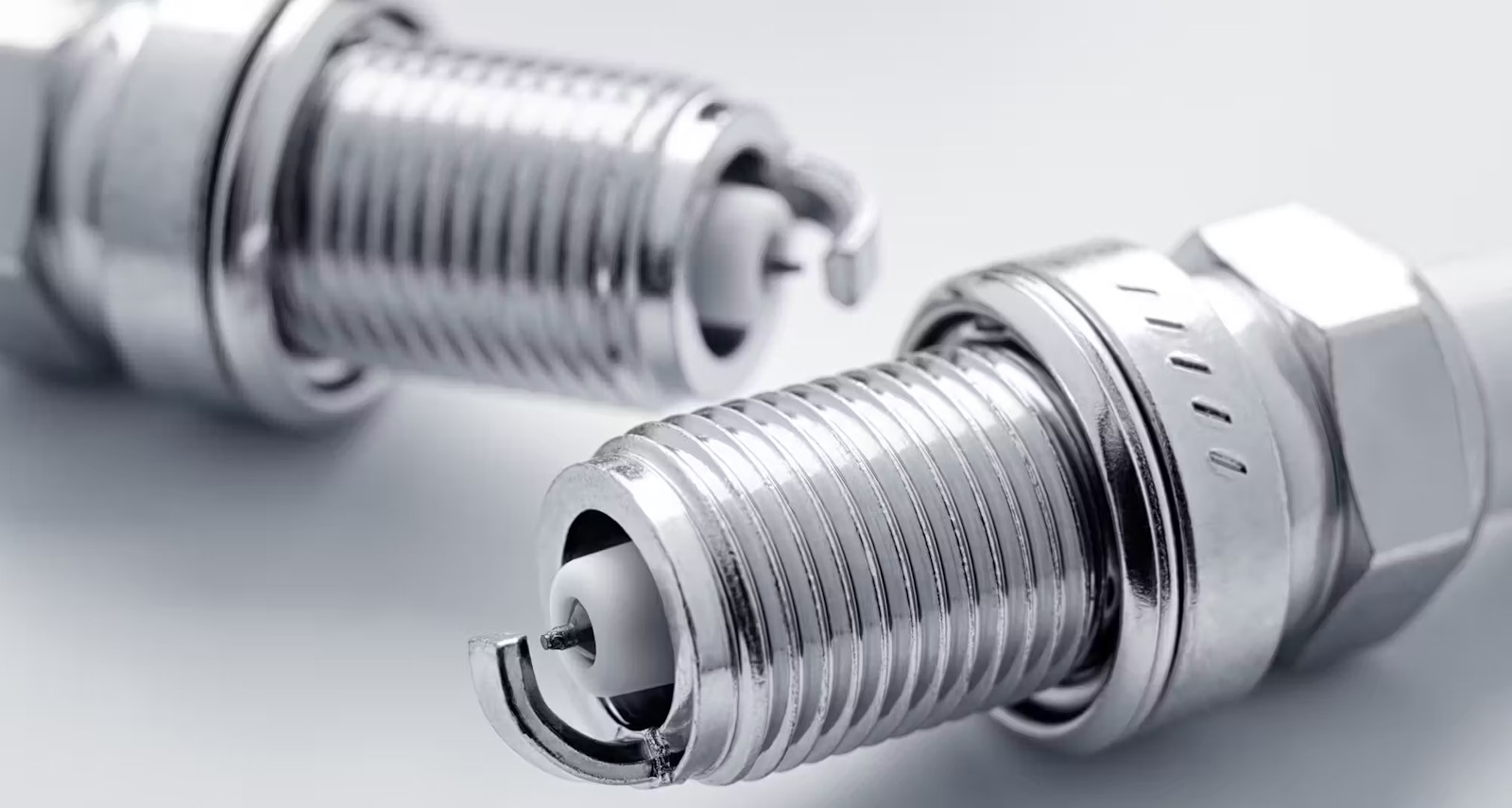
Table of Contents:
A spark plug is a component of the ignition system that generates the spark required to ignite the air–fuel mixture. Without it, a petrol engine cannot operate. Differences between spark plug types directly affect engine performance, fuel consumption and the durability of the entire system, so an incorrect choice can worsen performance and accelerate component wear. The choice of spark plugs depends not only on size or thread type, but primarily by electrode material, design and the specific requirements of the engine.
What Types of Spark Plugs Are There?
The main classification of spark plugs is based on two criteria: electrode material and the number of ground electrodes. These parameters determine service life, cost and operating characteristics.
Electrode Material
- Nickel spark plugs are the basic type, with electrodes made of a nickel alloy. This is a cost-effective solution, well suited to older or less demanding engines. Their drawback is faster electrode wear and less stable spark under high load or under heavy load or aggressive driving conditions.
- Platinum spark plugs feature electrodes with a platinum coating, which significantly improves resistance to high temperatures and erosion. In practice, this means more consistent spark generation and a longer service life. They are a good choice for drivers who want to extend replacement intervals without a significant increase in cost.
- Iridium spark plugs use a very fine iridium centre electrode, allowing for a precise and strong spark. This is the most advanced option, providing maximum ignition stability and reliable engine performance under demanding conditions, such as high pressure in the combustion chamber.
The higher cost of advanced spark plugs is justified when the engine operates under demanding conditions and requires more stable ignition. This is particularly relevant for:
- turbocharged engines;
- vehicles equipped with LPG systems;
- frequent cold starts and heavy operating conditions;
- extended service intervals.
In such cases, platinum and iridium spark plugs can genuinely improve durability and engine stability. In simpler or older engines, the difference is usually minimal, so nickel spark plugs remain a reasonable and practical choice.
Number of Ground Electrodes
- Single ground electrode spark plugs are the most common solution in modern engines. They feature one ground electrode, which ensures a stable and predictable spark location and a consistent combustion process.
- Multi-ground electrode spark plugs are equipped with two, three or more ground electrodes. Their main advantage is extended service life, as wear is distributed across multiple electrodes.
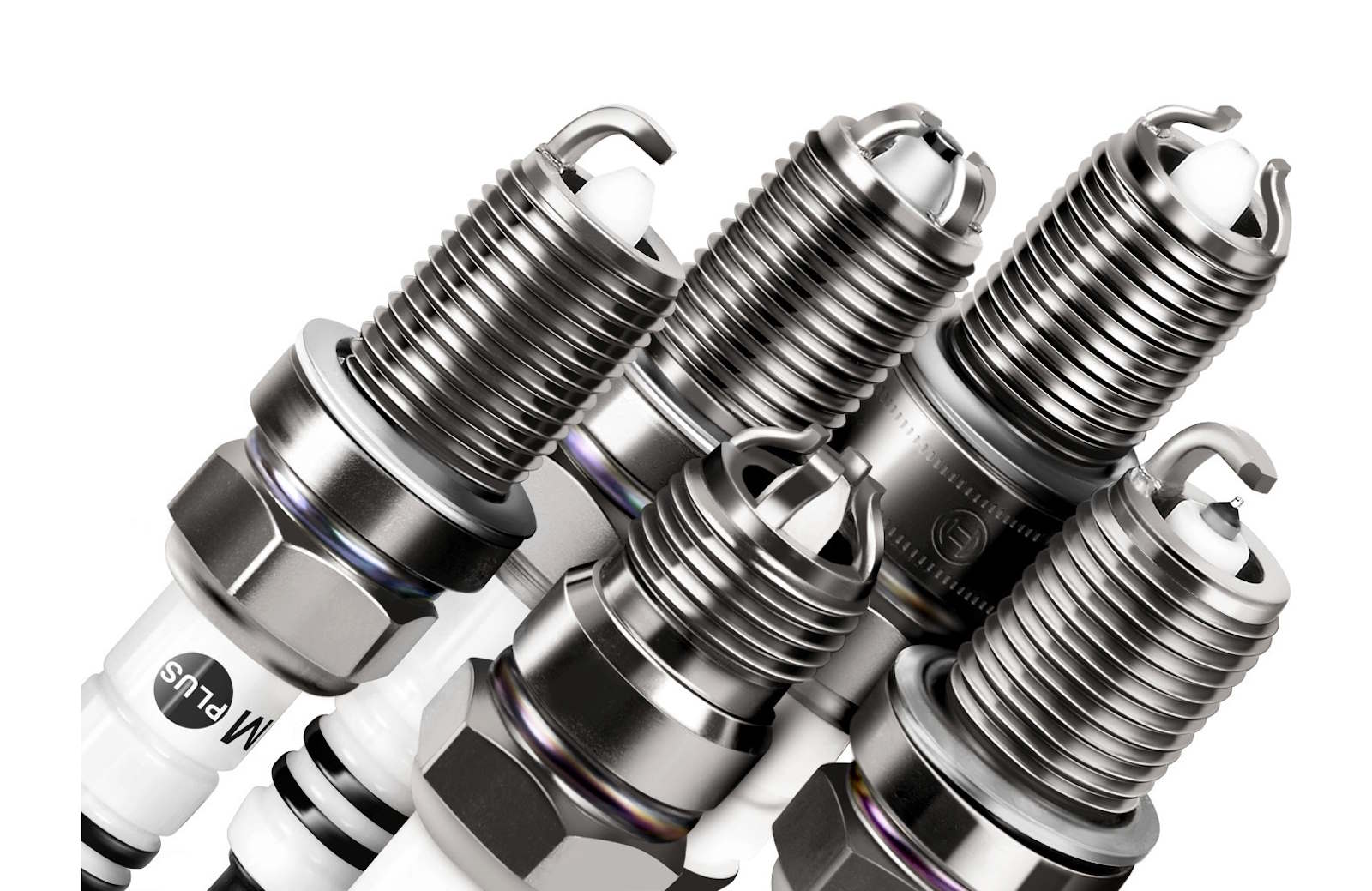
It is important to understand the practical difference: in multi-electrode spark plugs, the spark always occurs at only one electrode at a time. Therefore, they do not increase engine power and may provide a less predictable spark location compared to single-electrode plugs. For this reason, they are typically used as a more durable solution and can be applied in various engine configurations. In modern engines, their use depends on manufacturer specifications.
How Does the Type of Spark Plug Affect Service Life?
Electrode material directly affects wear rate and spark stability over time:
- nickel → wears out the fastest and degrades more quickly;
- platinum → significantly lower wear, maintains stable performance for longer;
- iridium → minimal wear and maximum service life.
The more advanced the material, the:
- lower electrode erosion;
- more consistent spark generation throughout the service life;
- lower risk of starting issues and poor combustion quality.
This affects not only driving comfort but also helps maintain stable operation of the ignition system.
More details on replacement intervals for different spark plug types are covered in a separate article: How Often Should You Replace Spark Plugs?
Choose the right spark plugs for your vehicle in our catalog.
Spark plugsConclusion
The type of spark plug directly affects service life, engine stability and combustion efficiency.
Key takeaways:
- electrode material determines durability and spark quality;
- spark plug design influences how the air–fuel mixture is ignited;
- more expensive spark plugs are only justified when required by the engine’s specifications and operating conditions.
The optimal approach is simple: do not choose spark plugs based on guesswork or based on price alone. The correct choice is always the one that meets the vehicle manufacturer’s specifications. This helps avoid engine performance issues and prevents unnecessary costs.
FAQ
Which spark plugs are better — nickel, platinum, or iridium?
Iridium spark plugs are the most durable and stable, platinum offers a good balance of price and lifespan, while nickel plugs are a budget option for simpler engines.
Does the type of spark plug affect engine performance?
Yes, the material and design affect spark stability, fuel consumption, and the lifespan of ignition system components.
Can you install more expensive spark plugs instead of standard ones?
Yes, but it only makes sense if it matches the engine requirements — otherwise, the difference may not be noticeable.