

How Often Should the Timing System Be Replaced? Everything You Need to Know
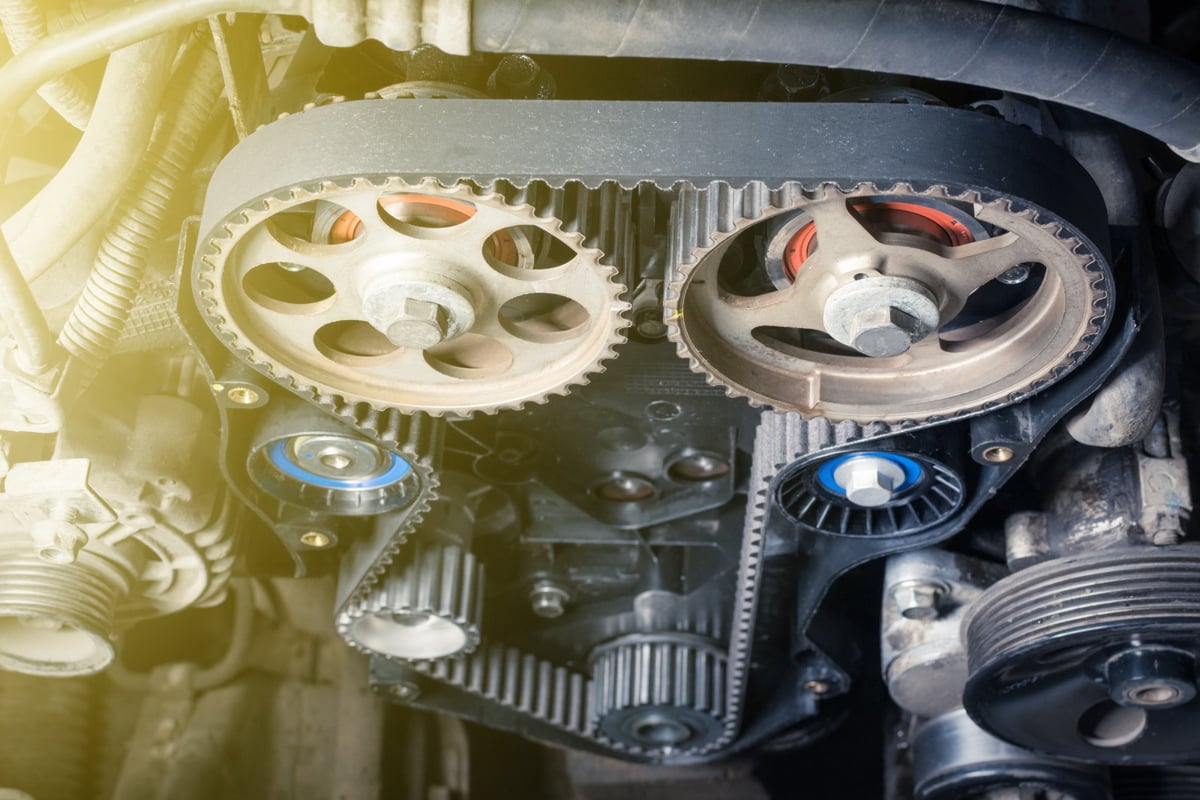
Table of Contents
- What is the Timing System?
- What Affects Timing System Wear?
- 6 Signs That It's Time to Replace the Timing Belt
- Symptoms Indicating It's Time to Replace the Timing Chain
- Driving with a Worn Timing Drive — What Are the Consequences?
- How Often Should the Timing System Be Replaced?
- What Does Timing System Replacement Include?
- Detailed Information on Choosing a Timing System
- How Much Does Timing System Replacement Cost?
- Tips for Replacing the Timing System Yourself
- 4 Things to Consider to Prevent Timing System Failure
- Summary
What is the Timing System?
What is the timing system in a car? This is a question often asked by beginner drivers or vehicle owners who don't handle repairs and maintenance themselves.
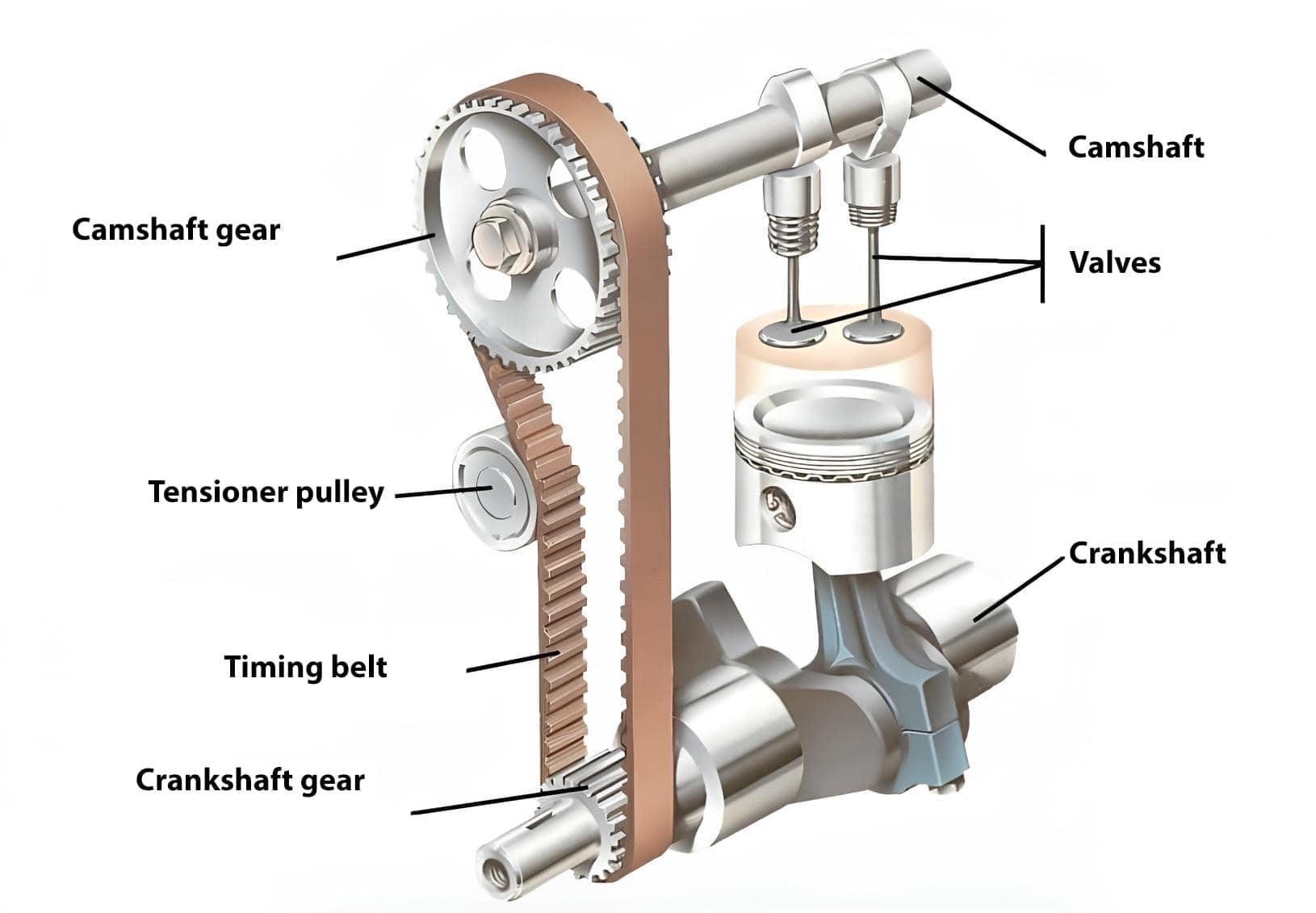
In every vehicle equipped with an internal combustion engine, the timing mechanism (or simply, timing system) plays a critical role in engine operation. The car's timing system controls the timing phases, ensuring the injection of the air-fuel mixture into the cylinders and the expulsion of exhaust gases through the valve mechanism.
What is the Timing System and How Does It Work? Let’s consider an example using a gasoline engine. At the moment of ignition, a spark occurs between the electrodes of the spark plug, igniting the air-fuel mixture in the engine's cylinder. The energy released from fuel combustion drives the piston, which transfers power through connecting rods to the crankshaft. Meanwhile, exhaust gases are expelled through the valves. The piston then returns to its initial position, a new portion of the air-fuel mixture enters the cylinder, and the cycle repeats.
The primary function of the timing system is to synchronize the fuel injection and exhaust phases with the movement of the pistons. To achieve this, the crankshaft and camshaft are connected by either a timing belt or chain, ensuring their cooperation and the transfer of torque.
A timing kit with a belt drive typically includes the following components:
- Timing belt.
- Belt tensioner.
- Vibration damper.
- Idle pulley.
- Seals, gaskets, and other sealing components.
Some kits also include a water pump, which keeps the antifreeze circulating between the engine and the radiator.
Timing Belt vs. Timing Chain: Which Is More Reliable?
The timing belt is a flexible loop with teeth that engage with the gears of the crankshaft and camshaft.
Advantages of a Timing Belt:
- Affordable cost.
- Quiet operation: Belts lack the metallic noise often associated with chains.
- Simpler replacement and adjustment procedures: Timing belts are easier to replace and require fewer tools.
The main downside is its shorter lifespan compared to a timing chain. While belts wear out more quickly, chains are more durable but also more expensive. Additionally, replacing or adjusting a chain involves higher costs due to its complexity.
Most car manufacturers use belt-driven timing systems in their vehicles. Therefore, further information will focus primarily on timing belts rather than chains.
What Affects Timing System Wear?
Any mechanism with moving parts will eventually fail, and the timing system is no exception. The most common reasons for this are the service life (natural wear and tear) and mechanical damage.
An aggressive driving, using the vehicle in extreme climatic conditions, or driving under heavy loads also shortens the lifespan of the timing belt and other components of the system.
6 Signs That It's Time to Replace the Timing Belt
The limited accessibility of the timing belt and its associated components makes visual inspection and assessment of their condition challenging. However, six key signs can indicate that the timing belt needs replacement without requiring a visit to the service center.
Belt Age: Loss of Elasticity After 5 Years
The belt’s flexibility and the specific design of its teeth ensure reliable interaction with the gears of the shafts.
Some drivers believe that if their car spends most of the year parked in a garage, the belt won’t wear out and will remain serviceable for a long time. This is a misconception, as the belt starts losing its elasticity even when the vehicle is stationary, significantly reducing its lifespan.
To determine when the timing belt needs replacement, it’s essential to consider not only the mileage recommended by the manufacturer but also the fact that the belt typically loses its elasticity after five years of use.
Difficult Engine Start and Power Loss
If the belt is heavily worn or slack due to a damaged tensioning mechanism, it may slip over one or more teeth on the shaft gears. This disrupts the ignition system, causing the fuel in the combustion chambers to ignite either earlier or later than intended.
The external signs of such disruptions include difficulties starting the engine, increased vibrations, and noticeable power loss.
Exhaust Smoke: Black Smoke Indicates Ignition Problems
The presence of black smoke from the exhaust pipe can signal the need to replace the timing belt. A change in smoke color suggests incomplete combustion of the air-fuel mixture and ignition system issues. One possible cause is a worn-out timing belt.
Ticking Noise from the Engine: Indicates Belt Wear or Damage
Loss of elasticity or minor mechanical damage to the belt can cause it to crack and delaminate. This may lead to unusual sounds emanating from under the engine cover, such as ticking, clicking, or other mechanical noises. These noises are typically periodic and directly related to engine speed (the higher the RPM, the more frequent the noise).
However, such noises do not always indicate belt problems. They may also result from wear on bearings, tension pulleys, or other timing system components. In any case, unusual sounds should prompt a visit to the workshop without delay.
Leaks Under the Timing Drive Cover: Oil or Coolant
Oil or coolant seeping onto the belt’s surface accelerates its wear. Materials like rubber, polyurethane, neoprene, and others used in the belt's construction have low resistance to operational fluids, leading to faster degradation.
Cracks and Abrasions on the Belt
The more worn the belt, the higher the risk of it snapping. If even the smallest cracks, fiber separations, or other signs of wear are noticed, the belt should be replaced as soon as possible.
Symptoms Indicating It's Time to Replace the Timing Chain
Some drivers believe that the timing chain never wears out and that its durability is comparable to the engine itself. This is a misconception, as the chain, due to its design and the presence of joints, tends to stretch during operation.
Signs of chain deformation include:
- Knocking, grinding, or other metallic noises.
- Increased mechanical noise at idle.
- Engine vibrations caused by a stretched chain disrupting the timing phases, leading to premature or delayed combustion.
- Difficulty starting the engine and trouble getting the car moving.
- Increased fuel consumption.
A stretched chain can lead to various negative outcomes, including engine damage. Regular checks of the chain’s tension and the condition of related components (pulleys, vibration dampers) are essential.
Driving with a Worn Timing Drive — What Are the Consequences?
Ignoring the initial signs of timing belt wear can lead to various negative consequences. It’s not just about engine performance disruptions and loss of dynamics, but also other symptoms that can cause discomfort while driving. Additionally, fuel consumption increases, even if the driving style and operating conditions of the vehicle remain unchanged.
A broken timing belt can lead to the following outcomes:
- The engine stalls. Attempts to restart the engine are futile; the starter turns, but there’s no compression in the cylinders. This is the best-case scenario for the car owner, as no internal engine damage occurs. Replacing the timing belt resolves the issue.
- Valve damage. A lack of synchronization between the crankshaft and camshaft leads to a collision between the valves and pistons. The issue can be resolved by repairing the cylinder head assembly.
- Piston damage. A collision with the valves can cause cracks and deformations on the piston surfaces. This problem requires either an engine overhaul or a complete engine replacement.
If the timing chain stretches by at least 4-5 mm, not only do metallic rattling, grinding, and other unusual noises occur, but the timing phases are also affected, which negatively impacts engine performance.
How Often Should the Timing System Be Replaced?
How often should the timing belt be replaced? The service life of a timing belt is determined by the manufacturer and typically ranges from 50,000 to 130,000 kilometers. In practice, these numbers are often lower due to various factors that shorten the belt's lifespan, such as improper vehicle use, aggressive driving, or installing low-quality components. It’s difficult to establish a precise interval for timing belt replacement, which is why it’s recommended to inspect the condition of the belt and related timing system components during every scheduled maintenance.
You can purchase a new timing belt in our online store.
Go to the timing belts catalogueHow often should the timing chain be replaced? The lifespan of a chain compared to a belt is several times longer, which is why for most manufacturers, the recommended replacement interval corresponds to a mileage of 150,000–200,000 kilometers. Despite these impressive figures, the interval between replacements can be shortened due to external factors that affect chain wear. How long does a timing chain last? As with the belt, the chain’s durability is influenced by the quality of the components, driving conditions, and regular oil changes. Routine engine diagnostics can help assess the wear level of the chain and its associated components, providing a precise answer to the question of how often the chain should be replaced.
You can choose a new timing chain from our online store.
Go to the timing chains catalogueWhat Does Timing System Replacement Include?
Regardless of how long a timing belt or chain lasts, both scheduled and unscheduled maintenance should include replacing related components of the system. These may include tensioner pulleys, consumables such as gaskets, seals, and o-rings. If necessary, the water pump in the cooling system should also be replaced.

Why Is It Better to Replace the Timing System as a Kit?
The timing system in a car should be replaced along with its associated components, offering four key advantages:
- Extended system lifespan. All components are installed "from scratch," ensuring uniform wear across the system.
- Consistent service life. Components from the same kit have matching lifespans.
- Cost savings on labor. Comprehensive replacement of components is more affordable than installing each part individually.
- Time savings. Everything is done during a single visit to the workshop, eliminating the need for frequent service appointments.
It’s also important to note that assessing the wear level of tensioner pulleys is very challenging, which is why it’s best to replace them along with the belt or chain. Damage to the tensioner or guide pulleys can destroy the belt, even if it was recently replaced.
Detailed Information on Choosing a Timing System
The correct selection of a timing belt or chain can be based on one of three indicators:
- VIN.
- Markings. In most cases, the part's catalog number is printed on the side.
- Engine model. This information can be found in the owner’s manual.
Rely only on trustworthy information and avoid overly cheap components or "equivalents" from unknown manufacturers.
How Much Does Timing System Replacement Cost?
The final cost of the service depends on the complexity of the work, the cost of replacement parts, the warranty on the parts, and other factors. Additionally, the price of the replacement will vary depending on the type of timing system.
The cost of replacing a timing belt will be lower than the cost of replacing a timing chain. This is due to the lower price of the components and the relatively simple replacement procedure.
How much does it cost to replace a timing chain? Exact prices will be provided at the workshop after diagnostics, but the procedure itself will be more expensive than replacing a belt. This is due to the high price of parts and the more complex replacement work involved.
Tips for Replacing the Timing System Yourself
If you are replacing the timing system on your own, the following tips will help you do it correctly:
- Always replace the belt as a complete kit, including tensioner pulleys and other associated components.
- For engines with dual camshafts, secure the camshafts before starting the work.
- If the design includes a hydraulic tensioner, it must first be removed and reinstalled after the belt is replaced.
- Pay close attention to the alignment marks on the flywheel, crankshaft, and camshaft to ensure proper timing.
Do not compromise on the quality of parts. The best option is to use original components or certified OEM parts.
How to Set the Timing After Replacement?
The secret to a successful timing belt replacement is adhering to the alignment marks.
First, ensure that the piston in the first cylinder is at the top dead center (TDC). Then, check the alignment marks on the pulleys, camshafts, and flywheel. If minor misalignments are detected, loosen the tensioner mechanism and adjust the belt. If the camshaft mark is approximately 180 degrees off from the required position, rotate the crankshaft one full turn.
To prevent the alignment marks from shifting, many car owners secure the flywheel by inserting a screwdriver or metal rod into its opening before replacing the belt.
Without following the alignment marks, achieving proper shaft synchronization is impossible, leading to timing phase shifts and subsequent engine failures.
4 Things to Consider to Prevent Timing System Failure
The following tips can help prevent premature wear and failure of the timing system:
- Replace the timing belt and components according to the vehicle manufacturer's recommendations.
- Remember that the belt deteriorates over time regardless of mileage. If the car has been sitting in a garage for an extended period with low mileage, but the belt hasn’t been replaced in over 5 years, it’s advisable to have a diagnostic check at a service center to assess the actual condition of the components.
- Pay attention to signs of potential belt issues, such as irregular engine performance, unusual noises, or increased fuel consumption. If you notice any suspicious behavior from the engine, take the vehicle to a service center as soon as possible.
- Avoid attempting to replace the timing system yourself unless you have the necessary skills and experience.
Use only original automotive parts during repairs.
Summary
Maintaining the proper technical condition of the timing system and its components will help avoid various issues, including engine damage. The cost of replacing a timing chain or belt is significantly lower than the cost of a complete engine overhaul.
Regular maintenance, adhering to recommended service intervals, and using high-quality components will ensure stable operation of the timing system and related vehicle systems.
Frequently Asked Questions
What is the timing drive and why does it need periodic replacement?
The timing drive (belt or chain) is a mechanism that synchronizes the movement of the crankshaft and camshaft. Over time it wears out — stretches, cracks, or loses strength, which can lead to serious engine damage.
How often should the timing drive be inspected and replaced?
The interval depends on the engine design and the manufacturer’s recommendations — typically, inspection is required every 60,000–120,000 km. Timing belts should be replaced according to the service schedule (often 60,000–100,000 km). Timing chains should be replaced when signs of wear appear or as specified by the manufacturer.
What signs indicate wear or the need to replace the timing drive?
Unusual engine noises, knocking, unstable engine operation, difficult starting, misfires, vibrations, or a noticeable “jerk” during startup.
Can the replacement be postponed if the engine seems to run normally?
This is risky — even if the engine appears to operate correctly, a worn belt or chain can suddenly snap or skip, causing severe damage to valves, pistons, and other engine components.
What affects the service life of the timing drive?
Quality of the parts, driving style, oil quality and timely maintenance, climate, operating conditions, and adherence to inspection and replacement schedules.