

How to Jump-Start a Car Using Jumper Cables?
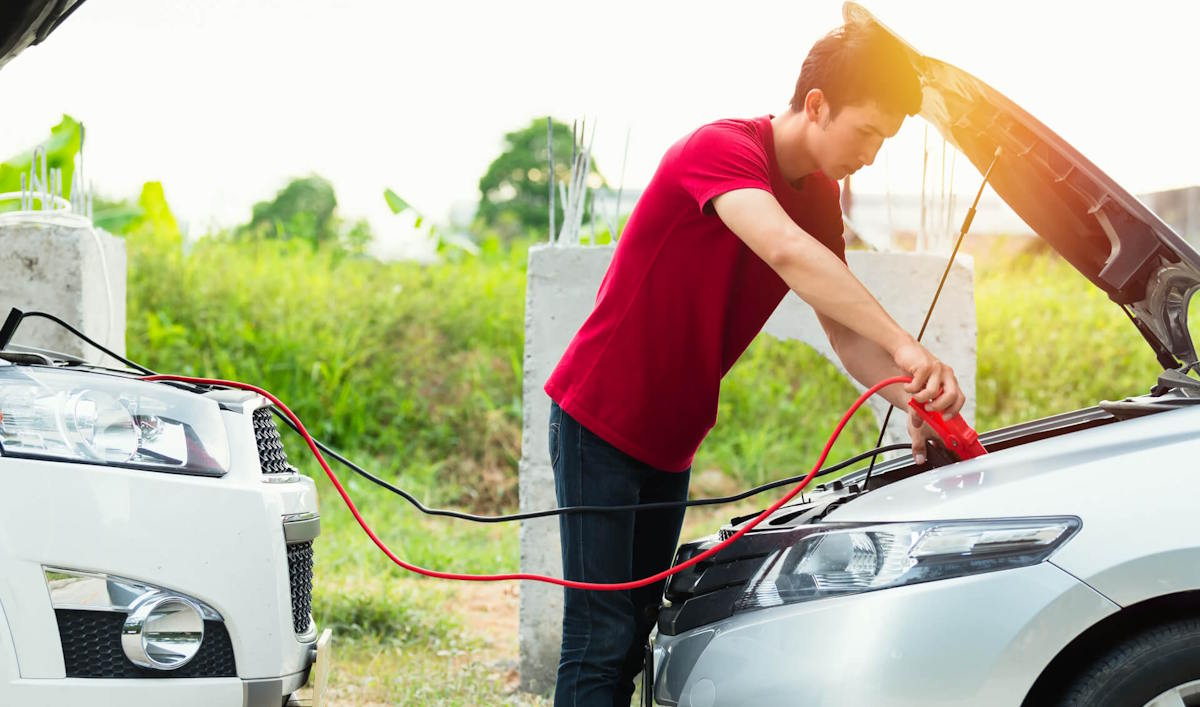
Table of Contents
What Is Jump-Starting a Car and When Should You Use It?
Jump-starting a car with booster cables is a common emergency procedure used when a vehicle's battery is dead. The idea is simple: electrical current is transferred from a charged battery in another vehicle (called the donor) to the discharged battery of the car that won’t start. With the help of special jumper cables, it’s possible to start the engine without replacing the battery or calling for roadside assistance.
While the process may seem straightforward, incorrect connection can seriously damage the car’s electronics. That’s why it’s essential to follow basic safety rules and connect the cables in the proper order.
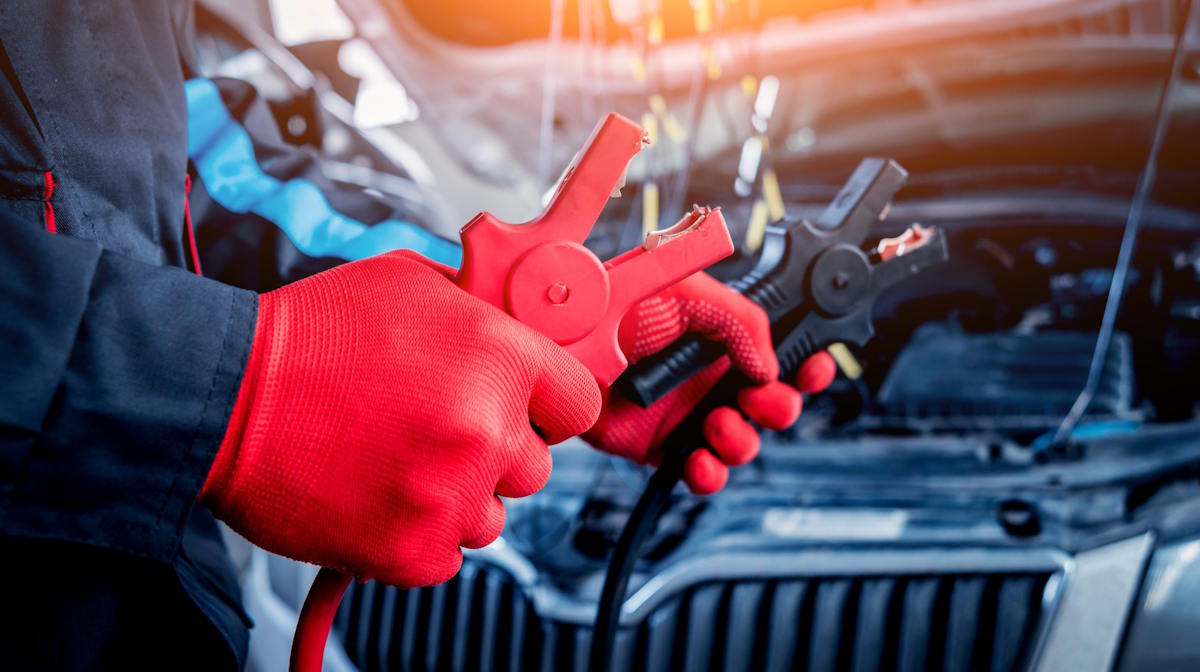
When Should You Avoid Jump-Starting a Car?
Using jumper cables isn’t always safe—especially in modern vehicles equipped with advanced electronics. In older cars, the process was relatively simple, but in newer models, even disconnecting the battery can cause malfunctions in critical systems.
Avoid jump-starting the car in the following situations:
- The engine stalled unexpectedly and won’t start, even from the car’s own battery;
- There are signs of electrical problems (e.g., overheated or melted wires, no charging, voltage spikes, faulty alarm system);
- The alternator belt is broken;
- There’s a burning smell or visible smoke;
- You notice a fuel leak;
- The battery shows visible mechanical damage.
Only try to jump-start the car if you’re confident the issue is simply a dead battery. Otherwise, you risk damaging both your own vehicle and the donor car.
What Do You Need to Jump-Start a Car with Jumper Cables?
To start a car with a dead battery, you’ll need just two things:
- A donor vehicle with a fully charged and functional battery
The power source can be another car or a standalone fully charged battery. Another option is a jump starter — a compact, high-capacity lithium battery pack. Regardless of the power source, the basic principle remains the same. - Jumper cables with alligator clamps
These cables are designed to carry high current, so their gauge should match the battery capacity: the larger the battery, the thicker the cables should be. Jumper cables connect the terminals of the dead battery to the terminals of the power source.
Note that in some modern vehicles, accessing the battery may be difficult. In such cases, you may need longer cables or partial removal of body components to reach the terminals.
Step-by-Step Guide to Jump-Starting a Car
Instructions for emergency engine starting using jumper cables are usually included in the vehicle’s owner’s manual. If you don’t have access to the manual, follow this step-by-step process:
- Position the vehicles close enough so the jumper cables can reach both batteries, but make sure the car bodies do not touch.
- Turn off the donor car’s engine and all electrical consumers (headlights, radio, A/C). Also switch off all electronics in the vehicle with the dead battery.
- Connect the red (positive) cable to the positive terminal of the dead battery first, then to the positive terminal of the donor battery.
- Connect the black (negative) cable to the negative terminal of the donor battery, and then clamp the other end to an unpainted metal part of the engine or chassis of the car with the dead battery—preferably close to the starter. Do not connect the negative cable to the carburetor, fuel pump, or other parts of the fuel system—one small spark can cause a fire.
- Once the cables are connected, a complete circuit is created, and the dead battery begins to receive a charge from the donor battery.
- If the donor battery is fully charged, you can immediately attempt to start the vehicle with the dead battery.
- If you're unsure about the power of the donor battery or starting a diesel engine, first start the donor car and let it run for 5–10 minutes at moderate RPM. Then turn it off and try starting the car with the dead battery.
- After a successful start, disconnect the cables in reverse order: black (negative) first, then red (positive).
- Let the engine run for at least 20–30 minutes. Ideally, take a short drive — driving at moderate RPM charges the battery faster than idling.

How to Connect Jumper Cables – Connection Diagram
How to Jump-Start a Car in Winter
The colder it gets, the less effective your car battery becomes. In winter, starting the engine can be much more difficult—especially if the oil in the engine and transmission has thickened.
To increase your chances of a successful winter start:
- Minimize power loss — before starting, turn off the headlights, window defrosters, and other electrical loads.
- If you drive a manual transmission car, press the clutch while starting to reduce strain on the starter.
- If possible, warm up the battery — for example, take it indoors or insulate it. Even a small temperature increase can help restore battery performance.
Other than that, the procedure for jump-starting in winter is the same as in warmer seasons. Additionally, it helps to let the donor car run for a few minutes before trying to start the disabled vehicle.

Safety Tips for Jump-Starting a Car
Incorrect use of jumper cables can damage the electronics in both your vehicle and the donor car. To avoid problems, follow these key safety rules:
- Use a donor vehicle with a more powerful battery
Ideally, the donor battery should have a higher capacity than the dead one. The engine type (gasoline or diesel) doesn’t matter — what matters is the power of the source battery. - Make sure both batteries have the same voltage
Most vehicles use a 12-volt system, but there are exceptions. For example, some hybrids use a 24-volt system. Always check your vehicle’s technical specifications before connecting. - Be careful when connecting the cables
Never let the positive clamp touch any part of the car’s body once the negative cable is already connected — this can cause a short circuit. In the best case, a fuse might blow; in the worst, you could damage the control unit, voltage regulator, or the entire electrical system. - Use only high-quality jumper cables
Cheap, thin cables can overheat, melt, or even catch fire in extreme cases. Choose cables with adequate thickness, designed for jump-starting car engines.
Can Jump-Starting Damage Your Car?
In most cases, jump-starting an engine with booster cables is a safe and widely used method. However, that doesn’t mean it’s completely risk-free.
If the procedure is followed correctly and the donor battery is fully charged and in good condition, the jump-start should occur without any voltage spikes. In such cases, the electronics in both vehicles remain safe.
Problems most often arise when:
- The cables are connected in the wrong order;
- Damaged or overly thin jumper cables are used;
- The donor vehicle’s engine is running during the connection process.
While commonly practiced, this last method is also the riskiest. When both engines are running, the donor vehicle’s electrical system may be overloaded. There have been cases of alternators and even ECUs (electronic control units) being damaged. Therefore, it is recommended to perform the jump-start with the donor engine turned off — this is safer for both vehicles.
If your battery frequently causes problems, consider replacing it with a new one. 2407.PL offers a wide range of car batteries suitable for various vehicle models.
Select the right car battery for your vehicle in the catalogue.
Go to the car battery catalogueFrequently Asked Questions
Can any car be jump-started?
Yes, but it’s important to consider the condition of the batteries and the type of vehicle. If the donor battery is weak or there are electrical system issues, the procedure may be unsafe.
In what order should the cables be connected when jump-starting?
First, connect the red cable to the positive terminal of the discharged battery, then to the positive terminal of the donor battery. Attach the black cable first to the negative terminal of the donor battery and then to a metal ground point on the vehicle with the dead battery.
Why shouldn’t the negative cable be connected directly to the negative terminal of the discharged battery?
This creates a risk of sparks near the battery, which can cause damage or even an explosion. Connecting to the vehicle’s ground is safer and reduces the risk of an accident.
How long should the cables remain connected?
Usually, a few minutes are enough for the discharged battery to receive a starting charge. There is no need to keep the cables connected longer — once the engine starts, charging is handled by the alternator.
Can you drive immediately after jump-starting?
Yes, but it is advisable to drive for about 20–30 minutes so the battery can partially recharge. If the battery discharges again quickly, there may be a fault with the battery or the charging system.