

What Does the Battery Indicator Mean?
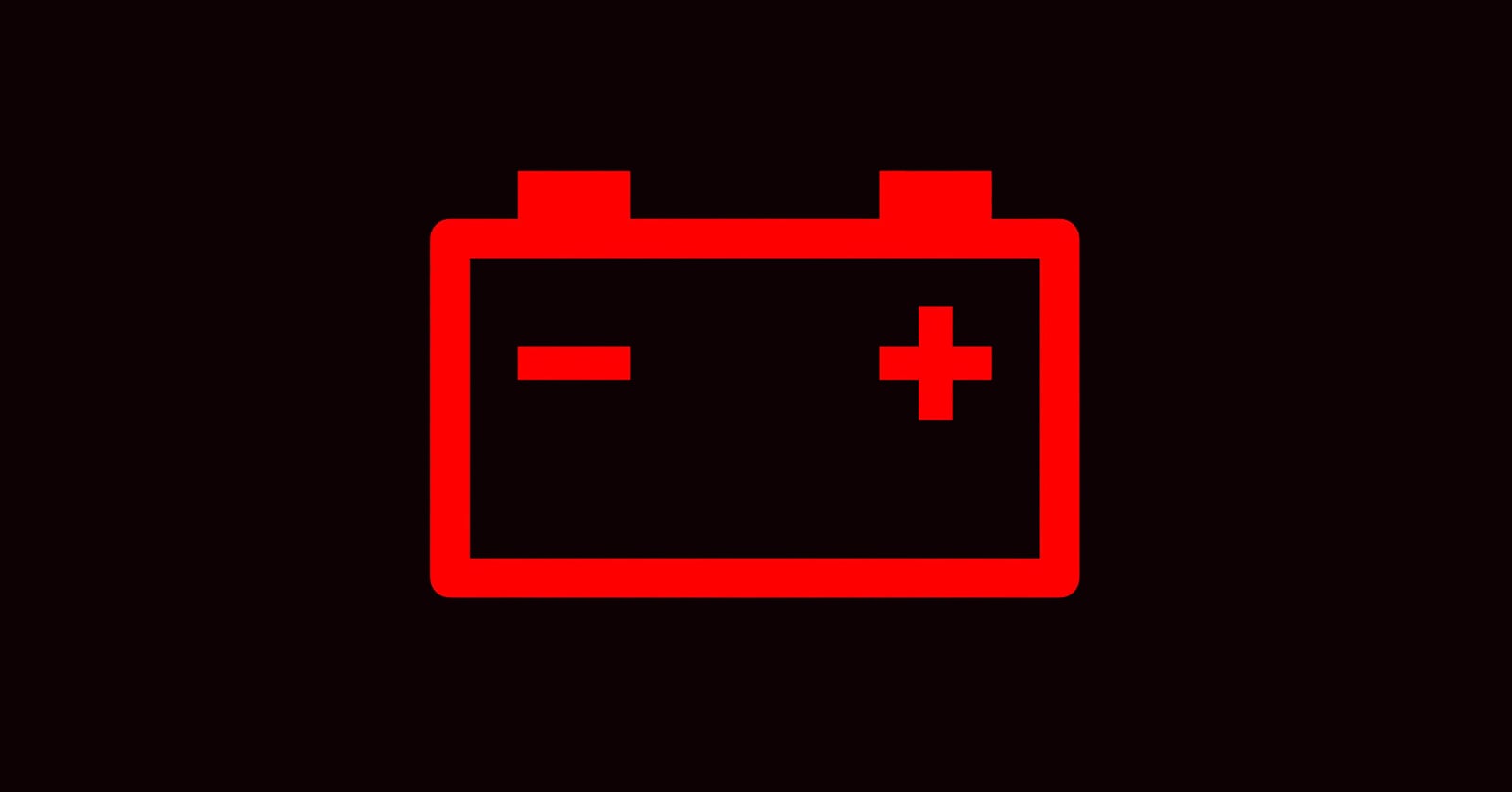
Table of Contents
- What Is the Purpose of a Car Battery?
- Red Battery Indicator – What Does It Mean? Possible Causes
- Discharged Battery
- Alternator Belt Damage
- Faulty Alternator Regulator
- Alternator Malfunction
- Issues with the Charging System Wiring
- Battery Indicator Lights Up and Turns Off
- What to Do If the Battery Charging Indicator Lights Up?
- Conclusion
Imagine this: you’re driving calmly down the highway when suddenly, a red battery indicator lights up on your dashboard. The battery indicator is a warning signal that informs the driver of problems within the vehicle’s electrical power and charging system. At first glance, it might seem like a minor issue. However, this seemingly harmless signal can indicate serious malfunctions that, in extreme cases, may even cause the engine to shut off while driving.
Its appearance is often related to faults in the alternator, voltage regulator, or electrical wiring. For this reason, it’s crucial to understand what this warning sign means and how to respond correctly when it appears.
What Is the Purpose of a Car Battery?
The battery plays a vital role in the operation of a modern vehicle. It is not only essential for starting the engine but also for powering all electrical systems while the car is running. In modern cars, the number of electrical consumers has significantly increased, including:
- Engine and transmission control systems
- Safety systems: ABS, ESP, airbags
- Exterior and interior lighting
- Air conditioning and heating system
- Multimedia and navigation systems
- Electric power steering.
While driving, the battery is continuously recharged by the alternator—a device that converts the engine’s mechanical energy into electricity. The alternator functions like a miniature power plant: the higher the engine speed, the more energy it generates. This is why battery charging is more efficient at high speeds, such as on the highway, compared to city driving, where the engine often runs at lower RPMs.
It’s important to note that modern vehicles consume much more electricity than older models. As a result, a malfunction in the charging system can lead to rapid battery depletion and, consequently, vehicle shutdown—sometimes after just a few dozen kilometers.
Red Battery Indicator – What Does It Mean? Possible Causes
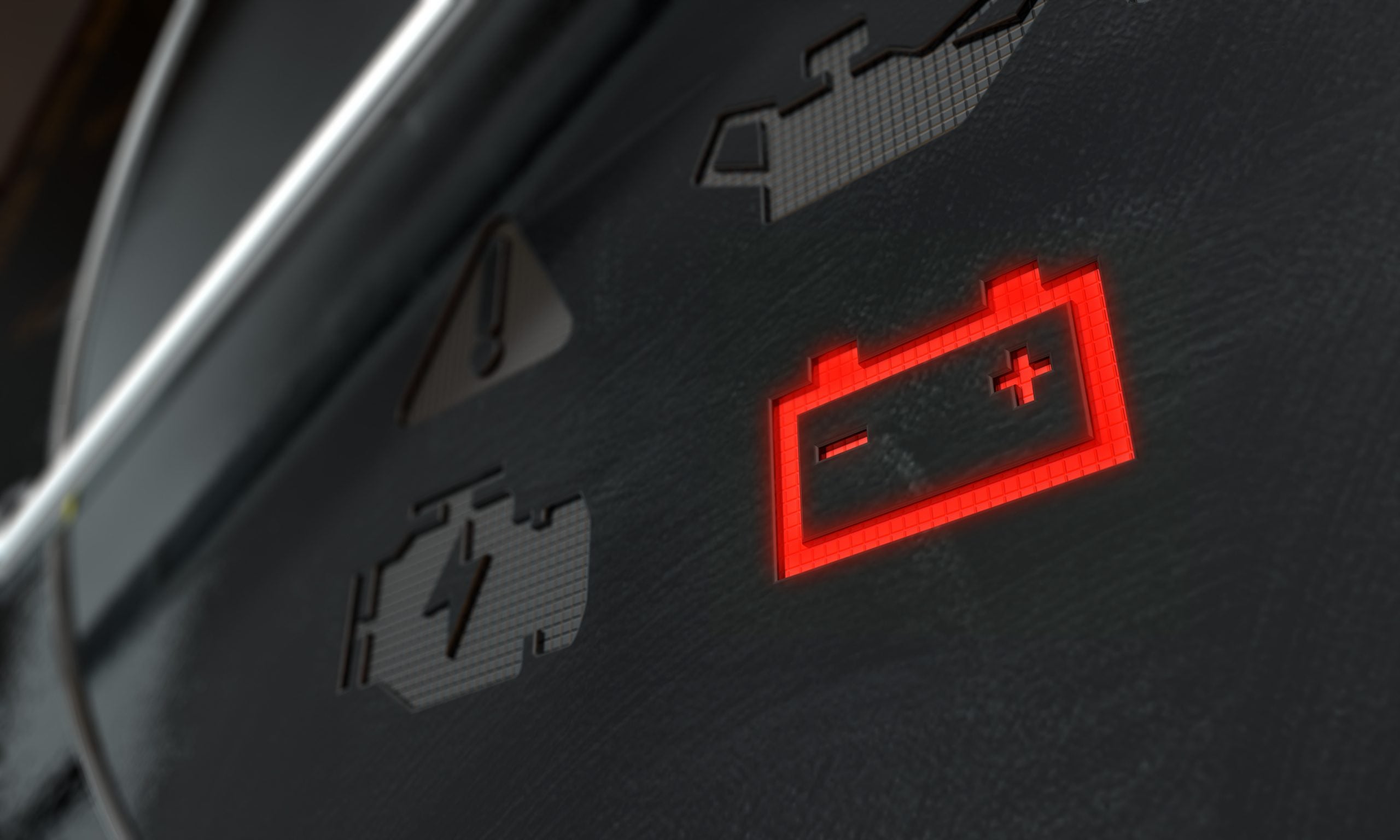
If the red battery indicator lights up on the dashboard, it most often indicates a charging issue. An illuminated battery indicator signals that power consumption exceeds power generation.
In modern vehicles, this type of malfunction is often accompanied by a chain reaction—various warning lights, such as ABS, ESP, or the airbag indicator, may start illuminating one after another. However, this does not necessarily mean that all these systems have failed simultaneously. The underlying cause is usually a drop in the vehicle’s onboard voltage below the acceptable level.
Discharged Battery
The most common reason for the battery indicator to light up is a discharged battery. This is especially common in winter when:
- The vehicle is mainly used for short trips
- The battery is already heavily worn
- Multiple electrical consumers are active, such as window and seat heaters, headlights
- The car remains stationary for an extended period.
In such cases, the battery indicator should turn off after recharging the battery with a charger or after a long drive, during which the alternator can restore the charge level. However, if the battery is already worn out, the issue will persist, and the only solution will be to replace it.
You can choose a new car battery in our online store.
Select the right rechargeable battery for your vehicle in the catalogue.
Go to the rechargeable batteries catalogueAlternator Belt Damage
Another common reason for the battery indicator to light up is a broken or slipping alternator belt, which drives the alternator. In modern vehicles, this belt often also powers other essential components, such as:
- The power steering pump
- The coolant pump
- The air conditioning compressor.
Therefore, its damage not only stops the battery from charging but also disrupts the engine cooling system and power steering operation. This is particularly dangerous, as engine overheating can lead to severe damage.
You can find a suitable alternator belt for your vehicle in our catalog.
Go to the belts and belt kits catalogueFaulty Alternator Regulator
While driving, the voltage generated by the alternator varies depending on engine speed. The alternator regulator is responsible for stabilizing it. If the regulator fails, the battery indicator may light up for two reasons:
- Low charging voltage, insufficient for the proper operation of all systems.
- Excessive voltage, which can damage the vehicle’s electrical components.
A faulty regulator can be caused by natural wear or exposure to water and technical fluids. The repair cost depends on the vehicle model: in older cars, replacing the regulator costs between 100–300 PLN, while in modern vehicles, it can be twice as expensive.
Select the right alternator regulator for your vehicle in the catalogue.
Go to the alternator regulator catalogueAlternator Malfunction
If the battery indicator lights up, one of the most likely causes could be a faulty alternator. This type of failure can occur in the following cases:
- The battery is constantly undercharged, forcing the alternator to operate under excessive load
- The rotor or stator is damaged, disrupting the power generation process
- Bearing wear leads to mechanical issues
- A broken pulley prevents proper torque transfer from the engine.
If the alternator fails while driving, the battery indicator will light up and usually remain on.
Certain symptoms may indicate a failing alternator:
- Flickering headlights when the engine is idling
- Reduced efficiency of electrical systems, such as the electric power steering
- Unusual noises from under the hood, such as whistling or grinding
- Difficulty starting the engine, even with a relatively new battery.
It's important to note that an alternator's lifespan largely depends on driving habits. Short trips prevent the battery from fully charging, and in winter, the electrical system—including the alternator—experiences significantly higher loads. This accelerates wear. Under such conditions, it is recommended to take longer drives periodically to ensure the entire system is properly charged.
You can purchase a new alternator in our online store.
Select the right alternator for your vehicle in the catalogue.
Go to the alternators catalogueIssues with the Charging System Wiring
Sometimes, the battery indicator lights up due to a simpler reason—problems with the wiring. The most common causes include:
- Corroded or loose terminals
- Damaged charging system wires
- Corrosion on connectors
- Poor connection to the alternator.
This issue is relatively easy to diagnose—simply inspect the condition of the wires and connections. In many cases, the problem can be resolved independently by tightening loose components or cleaning corroded terminals.
Battery Indicator Lights Up and Turns Off
A flashing battery indicator can be a trickier issue than a constantly illuminated warning light. Paradoxically, a single instance of the indicator turning on is even safer—it usually signals a brief voltage drop, making it easier to identify the cause of the malfunction.
If the battery indicator periodically lights up and turns off, it indicates unstable charging. The most likely causes include:
- Worn-out alternator brushes
- Damaged commutator
- Contact issues
- Charging circuit interruptions.
When the indicator flashes, pay attention to the conditions under which it occurs. If the warning light comes on when additional power consumers, such as the air conditioner, are activated, it may indicate insufficient alternator output or a worn-out battery. If the indicator appears during rain, moisture ingress into the electrical system could be the likely cause.
What to Do If the Battery Charging Indicator Lights Up?
If the battery indicator lights up while driving, the most important thing is to stay calm and act systematically. Whether it’s a red battery symbol or an orange charging light, the first step is to find a safe place to pull over.
As soon as the battery charging indicator appears, you should immediately turn off all unnecessary electrical consumers, including:
- The air conditioning and ventilation system
- The radio and multimedia devices
- Seat and window heaters
- Chargers plugged into USB ports
- Additional lighting.
Pay special attention to the engine temperature sensor. This is particularly important in cases where the drive belt also powers the coolant pump. A lack of battery charging while driving may indicate a broken belt, which can lead to engine overheating.
After safely stopping the vehicle, it is advisable to perform a basic diagnostic check. If the battery indicator light is on, start by checking the simplest possible causes. The warning light often illuminates due to loose or corroded terminals. You should also inspect the belt condition and check for any visible wiring damage.
If you have a multimeter, you can measure the voltage in the system. With the engine running, it should be between 13.5 and 14.7 V. If the device shows around 12 V, there is likely an issue with the charging system. In such a situation, the red battery indicator on the dashboard will remain lit until the fault is fixed.
Keep in mind that after turning off the engine, restarting it may not be possible. Therefore, if you are wondering, "Can I drive with the battery warning light on?" the answer is—only in an emergency and for a short distance. The longer you continue driving with a faulty charging system, the higher the risk of a completely discharged battery and the vehicle coming to a stop.

Conclusion
The battery indicator in a vehicle is an important warning signal that should never be ignored. If it lights up while driving, it indicates a serious issue in the electrical system that requires immediate attention. The battery symbol can signal various malfunctions, ranging from minor issues like loose terminals to more serious failures, such as a faulty alternator or voltage regulator.
Modern vehicles are equipped with numerous electronic systems that require a stable power supply. Therefore, charging system problems can quickly lead to a complete vehicle shutdown. If the battery warning light comes on, the key is to stay calm and act rationally: turn off unnecessary electrical consumers and head to the nearest auto repair shop.
It is essential to remember that regular diagnostics of the charging system can help prevent sudden breakdowns. This is especially important during winter, when monitoring the condition of the battery and the entire electrical system becomes crucial. Preventive maintenance is always more cost-effective than major repairs, not to mention the safety risks that an unexpected electrical failure can pose while driving.
As VARTA specialists highlight, the reliability and longevity of a car battery largely depend not only on the quality of the battery itself but also on regular maintenance, maintaining an adequate state of charge, and keeping the terminals in good condition.
Frequently Asked Questions
What does the battery warning light on the dashboard indicate?
It indicates that the battery charge is dropping or the charging system (alternator, voltage regulator, belt) is not providing sufficient voltage. This is a warning of a problem with the vehicle’s electrical system.
Why can the warning light come on while the engine is running?
Possible reasons include a faulty alternator, broken or worn belt, oxidized contacts, poor terminal connections, loose mounting, or issues within the charging system or onboard electronics.
What should be checked immediately after the warning light comes on?
Check the condition and tension of the alternator belt, the battery terminal connections, the alternator and fuses, and the battery’s charge level.
How can you prevent the battery warning light from coming on?
Regularly inspect the alternator belt, keep electrical connections clean and secure, follow the electrical system maintenance schedule, and avoid overloading the vehicle with excessive electrical consumers.