

What is the ESP System in a Car and How Does It Work?
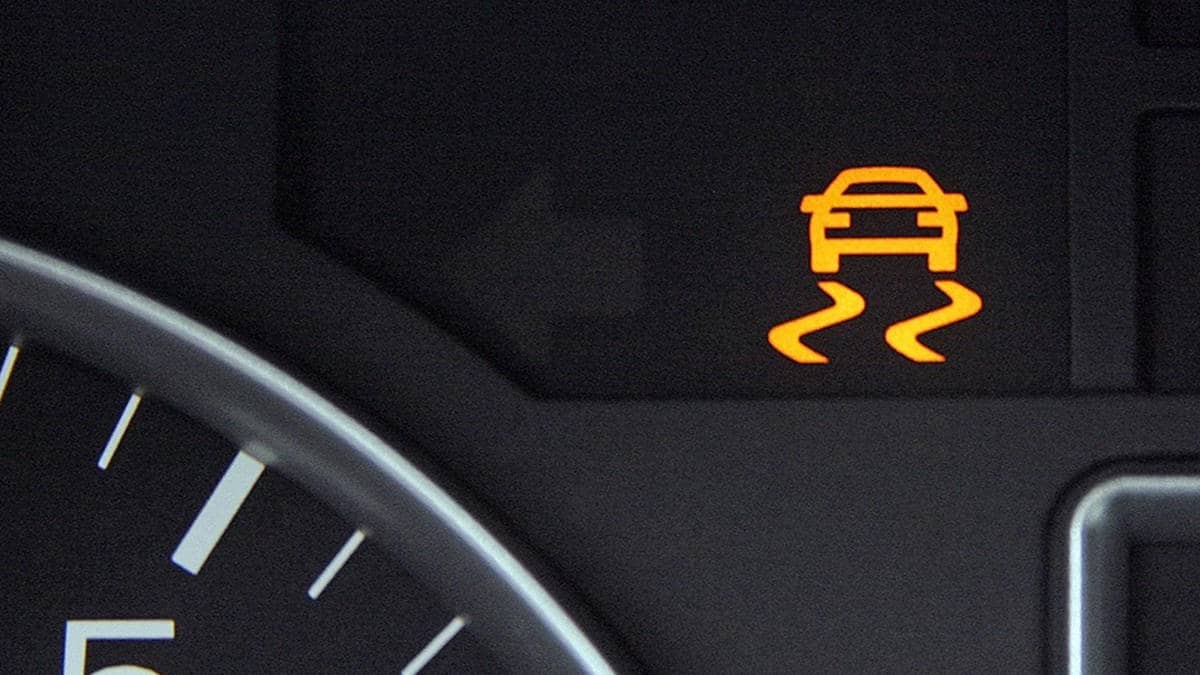
Table of Contents
- What is the ESP System in a Car?
- What is the Purpose of the ESP System?
- The Difference Between ABS and ESP
- How Does the ESP System Work?
- How Does ESP Work in Oversteering Situations?
- How Does ESP Work in Understeering Situations?
- What Does the ESP Indicator Mean?
- Most Common Causes of ESP System Malfunction
- How to Disable ESP and Is It Possible?
- Conclusion
Imagine this: you suddenly turn the steering wheel to avoid an obstacle on the road, but instead of skidding out of control, your car stays on course with confidence. In such moments, the ESP system comes to the rescue—one of the most crucial innovations in automotive safety that saves lives every day around the world.
But what exactly is the ESP system in a car? And how does it impact driving safety? These questions concern many drivers, especially those encountering this feature in their vehicle for the first time.
Since 2014, the ESP system has been mandatory for all new cars in the European Union, and for a good reason. Studies have shown that its presence reduces the risk of serious accidents by up to 42%. This is an impressive figure that clearly demonstrates the importance of electronic stability control in modern vehicles.
Despite the widespread adoption of this technology, many drivers still wonder: "What is the ESP system, and how does it work?" In this article, we will take a detailed look at how this advanced safety system operates, debunk common myths, and provide useful tips on its proper use.
What is the ESP System in a Car?
Before diving into the details, let's start with a basic definition: what is the ESP system?
ESP (Electronic Stability Program) is an advanced electronic system that continuously monitors a vehicle's behavior while driving.
Unlike simpler safety systems, ESP analyzes multiple parameters simultaneously:
- The rotational speed of each wheel.
- The steering angle.
- Lateral acceleration.
- The actual trajectory of the vehicle.
The history of ESP began in 1995 when Bosch, in collaboration with Mercedes-Benz, developed the first version of this technology. The first car equipped with ESP was the Mercedes S600 Coupé. Interestingly, different automakers use their own designations for this system:
- ESC (Electronic Stability Control) – found in Kia, Hyundai, and Opel models.
- DSC (Dynamic Stability Control) – used in BMW and Jaguar vehicles.
- VDC (Vehicle Dynamic Control) – featured in Alfa Romeo, Nissan, and Subaru.
ESP is a comprehensive solution integrated with other electronic systems such as ABS (Anti-lock Braking System) and ASR (Traction Control System). Thanks to this coordination, ESP effectively prevents loss of control in critical driving situations.
What is the Purpose of the ESP System?
This system functions like an experienced driving instructor, instantly responding to potentially dangerous situations. The primary tasks of ESP are to prevent two critical scenarios:
- Oversteering – when the rear axle of the car slides outward in a turn.
- Understeering – when the front of the vehicle does not respond to the steering input and continues moving straight.
Situations Where ESP Can Prevent Accidents:
- Emergency braking on wet or icy roads.
- Sudden maneuvering to avoid an obstacle.
- Entering a turn at excessive speed.
- Unexpected changes in road grip, such as hitting an icy patch.
Trajectory stabilization is especially crucial in adverse weather conditions. During rain or snowfall, the system automatically adapts to the reduced stability of the vehicle on the road. According to road safety experts, ESP can reduce the risk of accidents in unfavorable weather conditions by up to 80%.
It is important to note that ESP not only reacts to existing problems but also actively prevents them. The system continuously analyzes the vehicle's behavior and can correct its trajectory before the driver even notices the first signs of losing control.
The Difference Between ABS and ESP
A common question arises: what does the ESP system mean in terms of safety compared to ABS? While both systems work together, their functions in ensuring vehicle stability differ significantly.
Simply put:
- ABS prevents the wheels from locking during braking.
- ESP controls the stability of the entire vehicle in various driving situations.
Key Differences Between ABS and ESP:
| Parameter | ABS | ESP |
| When It Works | Works only during braking. | Functions continuously, monitoring the vehicle’s behavior at all times. |
| Purpose | Prevents wheel lockup, ensuring vehicle control during braking. | Prevents skidding and helps maintain the intended driving trajectory. |
| How It Works | Regulates braking force for each wheel individually. | Not only controls braking but can also reduce engine power and selectively brake individual wheels when necessary. |
It is worth noting that ESP utilizes the sensors and actuators of the ABS system, extending their functionality with additional safety measures. In a way, ESP can be considered an evolution of ABS, representing the next step in the development of electronic vehicle stability systems.
How Does the ESP System Work?
The ESP system operates as a network of advanced sensors interacting with the vehicle’s "brain" to ensure stability. Main Components of the System:
- Wheel Speed Sensors – Measure the rotation speed of each wheel. This helps detect differences in wheel speeds, which may indicate the beginning of a skid.
- Steering Angle Sensor – Determines the steering wheel angle and its rate of change, analyzing the driver's inputs.
- Lateral Acceleration Sensors – Detect lateral forces during turns and can identify the onset of a skid before the driver notices it.
- Central Control Unit – Processes data from all sensors and decides whether to apply selective braking or adjust engine power to stabilize the vehicle.
When ESP detects a risk of losing stability, it instantly takes action by:
- Applying selective braking to individual wheels.
- Reducing engine power to regain control.
- Adjusting torque distribution to restore traction.
How Does ESP Work in Oversteering Situations?
Oversteering occurs when the rear of the vehicle slides outward in a turn. In such cases, the stability control system automatically:
- Applies braking to the outer front wheel.
- Reduces engine power.
- Stabilizes the vehicle, preventing further skidding.
Example: You enter a turn on a wet surface, and the rear axle starts sliding sideways. Before you can react, ESP takes control by adjusting braking and engine power, helping restore stability and keep the vehicle on its intended path.

How Does ESP Work in Understeering Situations?
Understeering occurs when the front wheels lose grip, causing the car to continue moving straight despite the driver turning the steering wheel. In such cases, the ESP system:
- Applies braking to the inner rear wheel to create a pivot effect.
- Reduces vehicle speed to regain traction.
- Helps pull the front of the car into the turn, restoring the correct trajectory.
These adjustments happen within milliseconds—before the driver even realizes the loss of grip. This is why ESP is such an effective system for preventing loss of control.
Practical Example of ESP in Action. Imagine you are entering a turn on a wet road at 70 km/h. At some point, the front wheels lose traction, and the car starts drifting outward, ignoring your steering input.
Without ESP, you would need to ease off the throttle and carefully adjust the steering angle, which requires precision and experience. However, the ESP system automatically reduces fuel delivery and applies braking to the inner rear wheel, helping the front tires regain grip and allowing the car to follow the intended path. The driver may not even notice the system’s intervention, as it happens instantly, ensuring a safe and stable maneuver.

What Does the ESP Indicator Mean?
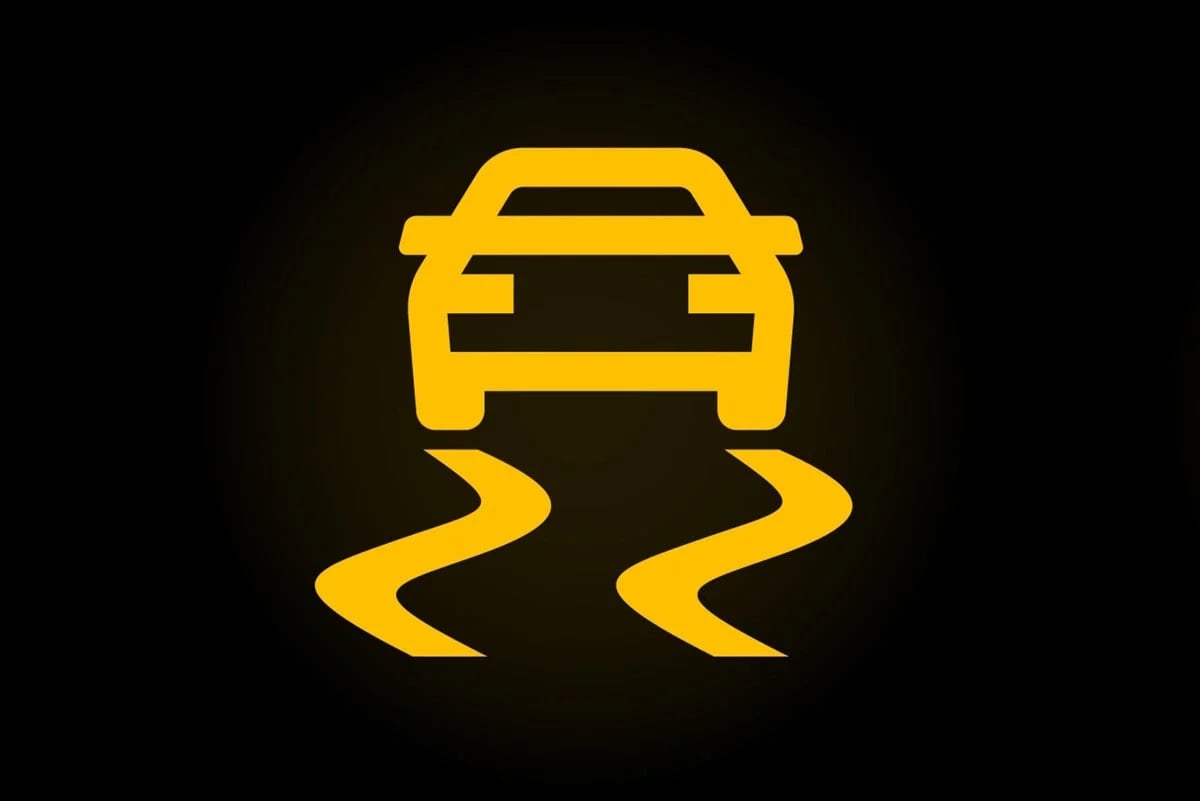
The ESP indicator on the dashboard can indicate three different system states:
- Normal ESP Operation
When starting the engine, the ESP light illuminates for a few seconds—this is a standard system check. If the light flashes while driving, it means that the system is actively working to stabilize the vehicle. Once stability is restored, the indicator turns off. - System Disabled by the Driver
If the ESP light stays on continuously and is accompanied by the message “ESP OFF”, it means that the system has been manually disabled by the driver. In most vehicles, the ESP system will automatically reactivate upon the next engine restart or after pressing the ESP activation button. - ESP System Malfunction
If the ESP indicator remains constantly illuminated but does not display “OFF,” it signals a system malfunction. A warning message such as “Check ESP System” or “Stability Control Error” may also appear. In this case, it is crucial to visit a service center as soon as possible, as the vehicle’s stability control may not function correctly.
Important: If the ESP light stays on during normal driving, it should never be ignored. This is a warning about potential issues with one of the key safety systems in your vehicle.
Most Common Causes of ESP System Malfunction
Many drivers wonder what the ESP system entails in terms of maintenance. Like other electronic components in a vehicle, it requires regular diagnostics and sensor checks to ensure proper operation in critical situations.
One of the most frequent reasons for ESP failure is issues with ABS sensors. If these sensors become dirty or corroded, the data on wheel speed may be transmitted incorrectly, leading to ESP malfunctions. In such cases, the ESP and ABS warning lights usually illuminate simultaneously on the dashboard.
Another common cause is a faulty steering angle sensor. This component tends to fail more frequently in high-mileage vehicles. If the sensor stops functioning properly, the system loses critical information about the steering wheel position, making it difficult to accurately assess the driving situation.
Electrical wiring issues should also not be overlooked. Damaged wires, unstable voltage, or corroded connectors can disrupt data transmission between ESP system components. Additionally, hydraulic pump failures may be identified by unusual loud noises during operation.
In some cases, ESP failures are caused by software errors in the control module. Fortunately, most of these issues can be resolved by updating the software, without the need to replace the control unit.
Regardless of the cause, if the ESP system is not functioning properly, it is crucial to visit a specialized service center as soon as possible to ensure the continued safety and stability of the vehicle.
How to Disable ESP and Is It Possible?
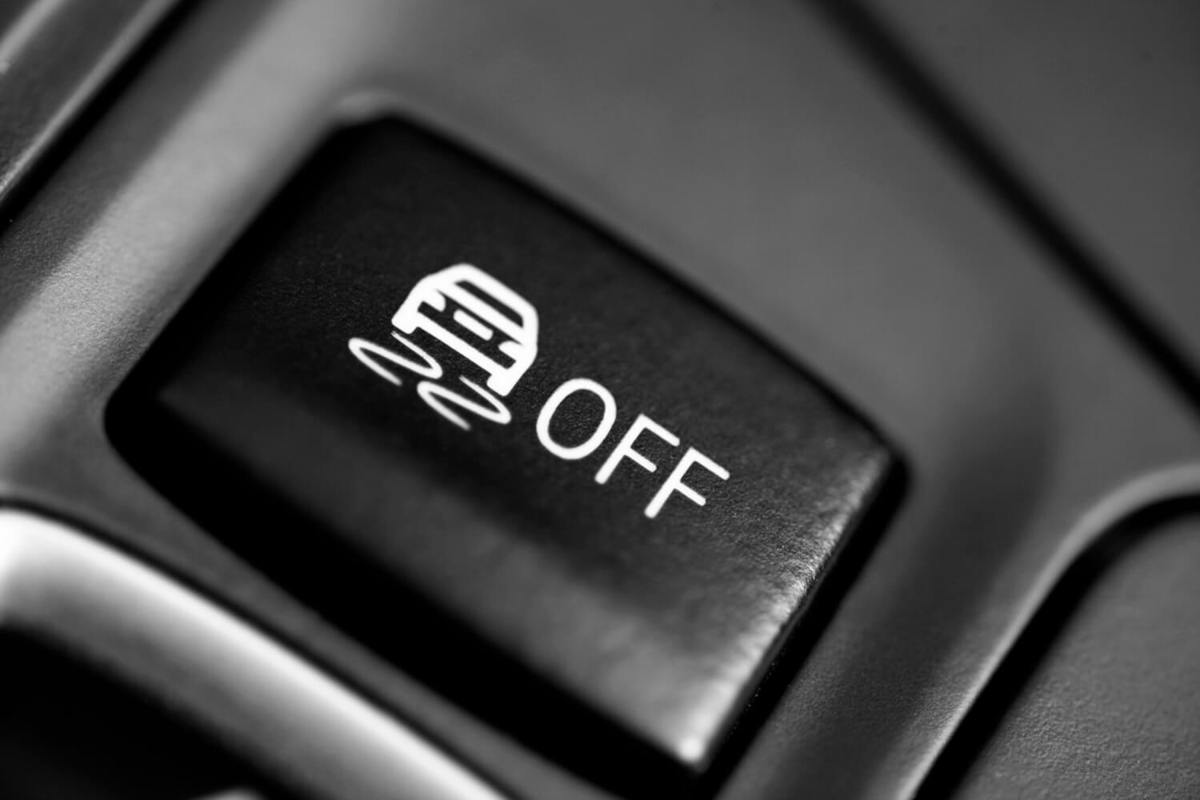
The ESP OFF function in a vehicle should be used with caution. Most modern cars have an "ESP OFF" button or a symbol of a skidding car with a line through it. However, completely disabling the system is often not possible due to safety concerns.
When Is It Justified to Turn Off ESP?
- Driving through deep snow, where slight wheel slip helps maintain momentum.
- Exiting deep mud or sand, where controlled wheel spin can improve traction.
- Driving with snow chains, where ESP intervention may be counterproductive.
- On a racetrack – for experienced drivers who require full control of the vehicle’s dynamics.
It is important to note that in most vehicles, pressing the "ESP OFF" button does not fully disable the system—it remains in an emergency mode and will reactivate in truly dangerous situations. Typically, ESP automatically turns back on when the vehicle reaches a certain speed (around 50-60 km/h) or after the engine is restarted.
Remember: For normal driving on public roads, ESP should always remain active, as disabling it significantly reduces safety, especially in challenging road conditions.
Conclusion
ESP is not just another electronic feature in a car—it is an advanced technology that prevents thousands of potential accidents every day. The Electronic Stability Program acts like an experienced driving instructor, instantly responding to the slightest signs of loss of control.
Since the introduction of mandatory ESP installation, the number of serious road accidents has significantly decreased. Its effectiveness is particularly evident in adverse weather conditions and emergency maneuvers. However, it is essential to remember that even the most advanced ESP system cannot replace driver attentiveness or override the laws of physics.
To ensure ESP effectively protects you and your passengers:
- Regularly check your vehicle’s technical condition.
- Do not ignore the ESP warning light on the dashboard.
- Disable the system only when absolutely necessary.
- Remember that ESP works best with high-quality tires.
Thanks to ESP, driving has become safer than ever. However, one thing remains unchanged—the driver is ultimately responsible for safety on the road.
Frequently Asked Questions
What is the ESP system in a car?
ESP (Electronic Stability Program) is an electronic stability control system designed to prevent skidding and loss of vehicle control. It helps the driver maintain control of the car in difficult road conditions and during sudden maneuvers.
How does the ESP system work?
ESP analyzes data from wheel speed sensors, steering angle sensors, lateral acceleration sensors, and vehicle yaw sensors. If the system detects that the vehicle is deviating from the intended path, it selectively applies braking to individual wheels and, if necessary, reduces engine power.
In which situations does ESP activate most often?
The ESP system is most active on slippery roads, during sharp cornering, sudden obstacle avoidance, or when wheel traction is lost. In many cases, its intervention is barely noticeable to the driver.
Can the ESP system be turned off?
In most vehicles, there is a button to temporarily disable ESP or some of its functions. Complete deactivation is usually not possible, as the system is linked to other active safety systems. For normal driving, it is recommended to keep ESP enabled.
How is ESP different from ABS and TCS?
ABS prevents wheel lock-up during braking, TCS (traction control system) limits wheel spin during acceleration, while ESP combines these systems and additionally controls vehicle stability during cornering.