

Worn Timing Belt – Symptoms
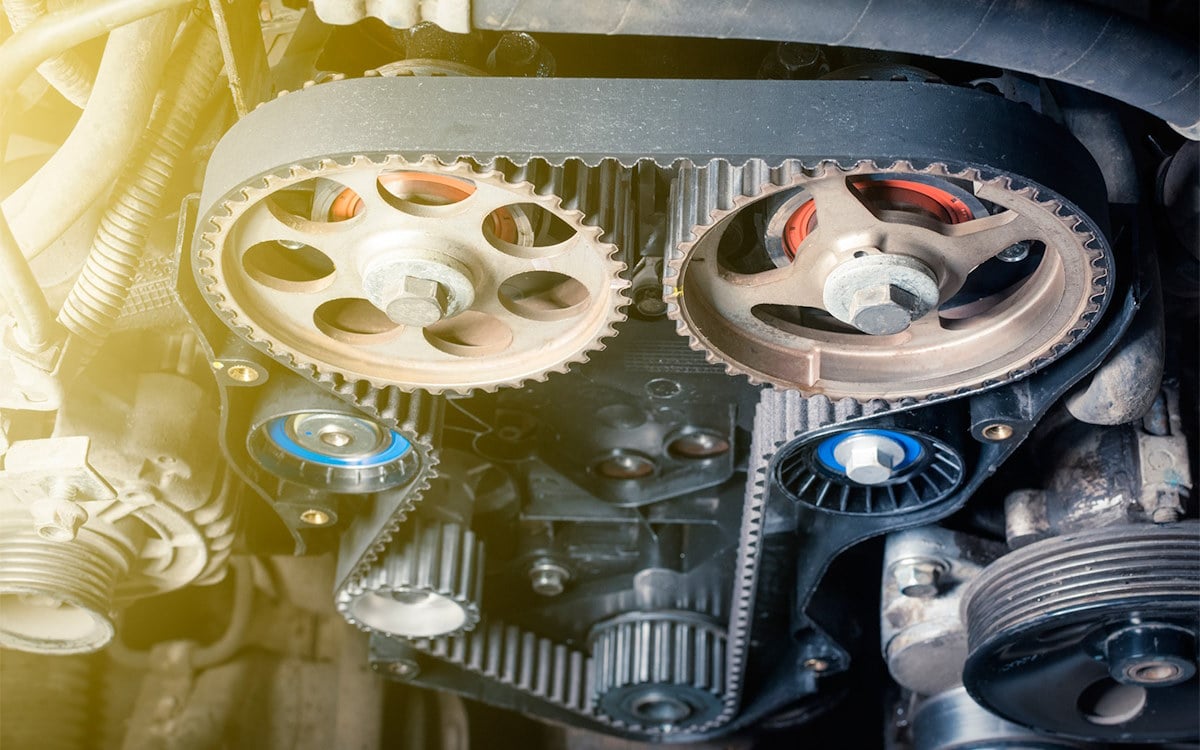
Table of Contents
- Key Symptoms of a Worn Timing Belt
- Unusual Noises Near the Timing Belt Area
- Loose Timing Belt – Warning Signs
- Starting Problems and Engine Instability
- Clicking Sounds from Under the Hood
- Visual Signs of Timing Belt Wear
- Exceeding the Recommended Service Life
- Check Engine Light Activation
- Black Smoke and Popping Sounds from the Exhaust
- Starter Cranks, but Engine Fails to Start
- Why You Should Never Ignore Timing Belt Wear Symptoms
- Conclusion
The timing belt, also known as the toothed belt, ensures precise synchronization between the crankshaft and the camshaft. The stable operation of the engine directly depends on the condition of this component. Wear, stretching, or breakage of the timing belt can cause serious damage – from bent valves to complete engine failure.
In this article, we will review the key symptoms of timing belt wear and explain how to detect problems early to avoid costly repairs and engine damage.
Key Symptoms of a Worn Timing Belt
Modern timing belts have a limited service life – typically between 50,000 and 100,000 kilometers or 5–7 years of use. However, real-world factors such as driving style, temperature fluctuations, and oil leaks can significantly shorten this lifespan. In most cases, the engine "warns" you in advance – unusual noises, starting difficulties, or unstable operation may occur. These warning signs should never be ignored, as timely diagnosis can prevent major damage.
Unusual Noises Near the Timing Belt Area
Unfamiliar sounds coming from the timing belt area are often the first sign of trouble. While a whistling noise might be caused by the auxiliary belt, sounds coming from under the timing cover should raise concern. These may indicate belt tension loss or contamination of timing system components. More serious noises – such as grinding, dull rubbing, or clicking – often point to worn tensioner pulleys, damaged bearings, or misaligned components. Without timely inspection, these issues may lead to belt breakage and severe engine damage.
Loose Timing Belt – Warning Signs
A loose timing belt disrupts the engine’s valve timing. This can be identified by rustling noises, dull friction sounds, difficulty starting the engine, unstable idle, and noticeable power loss. The cause could be natural wear or a faulty tensioner pulley. A loose belt is more likely to skip teeth on the gears, increasing the risk of major engine damage. If you notice these symptoms, you should check the belt’s tension and overall condition as soon as possible.
Starting Problems and Engine Instability
When the timing belt is stretched or has slipped a tooth, the engine's valve timing becomes incorrect. This results in hard starting, rough idling, reduced engine power, and increased fuel consumption. Continuing to drive with these symptoms increases the risk of severe engine damage, making timely diagnostics essential.
Clicking Sounds from Under the Hood
Clicking, rustling, or knocking sounds coming from under the hood may indicate wear of timing system components – such as tensioner pulleys, bearings, or the belt itself. These noises often occur when the belt starts slipping on the pulley teeth, especially when engine speed increases. At the first signs of unusual noises, it is recommended to inspect the timing system to prevent more serious failures.
Visual Signs of Timing Belt Wear
The condition of the timing belt can often be assessed visually. Cracks, fraying, delamination, or oil contamination on the belt surface indicate a loss of material integrity. Even if the engine seems to run normally, a damaged belt can snap at any moment. Regular inspections during scheduled maintenance help identify wear early and prevent serious engine damage.
Exceeding the Recommended Service Life
Even if the timing belt appears to be in good condition, exceeding the manufacturer’s recommended replacement interval can lead to hidden damage. Over time, microcracks form, and the material loses elasticity. This significantly increases the risk of sudden belt failure and costly engine damage. That’s why the belt should be replaced not only based on visible condition but also according to the time and mileage recommendations provided by the vehicle manufacturer.
Check Engine Light Activation
The "Check Engine" warning light may come on for various reasons, including issues with the valve timing system. If the timing belt is stretched or has slipped a tooth, the engine control unit (ECU) detects a synchronization error and triggers a warning on the dashboard. This is often accompanied by engine power loss and unstable operation. When this warning appears, it is important to perform a diagnostic scan as soon as possible to identify the source of the problem.
Black Smoke and Popping Sounds from the Exhaust
The appearance of black smoke or popping sounds in the exhaust system may indicate incorrect valve timing. When the timing belt stretches or slips, the engine’s synchronization is disrupted, leading to incomplete combustion and fuel igniting in the exhaust system. These symptoms require immediate diagnosis to prevent further damage to the engine and exhaust components.
Starter Cranks, but Engine Fails to Start
If the starter turns the engine over but it doesn’t start, a broken timing belt might be the cause. When the belt snaps, the connection between the pistons and valves is lost, often resulting in severe internal engine damage. In this situation, immediate diagnostics and repair are required to assess the extent of the problem.
Why You Should Never Ignore Timing Belt Wear Symptoms
Ignoring the warning signs of a worn timing belt can lead to sudden belt failure, causing the engine to stop unexpectedly while driving, which poses a serious risk to both the vehicle and the driver’s safety. In modern engines, a broken timing belt often results in extensive damage to internal components. Timely belt replacement is not just maintenance – it’s a crucial safety measure to protect your engine and ensure reliable vehicle performance.
How to Extend the Life of Your Timing Belt
To maximize the lifespan of your timing belt and avoid unexpected failures, follow these simple maintenance guidelines:
- Replace the belt according to the manufacturer’s recommended interval.
- Inspect the belt’s condition during every scheduled service.
- Check crankshaft and camshaft seals for leaks to prevent oil contamination of the belt.
- Avoid excessive engine loads, especially before the engine reaches optimal operating temperature.
- Always use high-quality, preferably original, replacement parts.
Regular belt inspections and timely replacement significantly reduce the risk of costly engine repairs and improve vehicle reliability.
Select the right timing belt for your vehicle in the catalogue.
Go to the timing belt catalogueConclusion
A timing belt typically fails without warning, but there are often noticeable symptoms beforehand — unusual noises, starting difficulties, and unstable engine performance.
Recognizing these signs early can help prevent serious damage and keep your engine in good working condition. Regular inspections and timely belt replacement according to the manufacturer’s recommendations are the most effective ways to ensure the long-term safety and reliability of your vehicle.
Frequently Asked Questions
What symptoms most often indicate timing belt wear?
The most common signs include unusual noises from the drive area (whistling, rubbing, squeaking, clicking), difficult starting, unstable idle, loss of power, and increased fuel consumption. Black smoke and popping noises from the exhaust may also occur when valve timing is disrupted.
Can you tell from the appearance that the timing belt needs replacement?
Yes. Cracks, abrasions, delamination, damaged teeth, as well as traces of oil on the belt are clear signs of wear and loss of strength. Even if the engine runs smoothly, such a belt can fail at any moment.
Why can the timing belt become “loose” and why is it dangerous?
Belt loosening is often caused by natural wear or a faulty tensioner pulley. With insufficient tension, the belt may jump teeth, leading to incorrect valve timing. This results in abnormal noises, unstable engine operation, and increases the risk of serious engine damage.
Can the Check Engine light come on because of the timing belt?
Yes. If the belt has stretched or jumped a tooth, the engine control unit may detect a synchronization error and activate the Check Engine light. This is often accompanied by reduced power and irregular engine operation.
What does it mean when the starter turns but the engine does not start?
One possible scenario is a broken timing belt. In this case, the synchronization of the shafts is disrupted, and the engine will not start. This is a reason for immediate diagnosis, as a broken timing belt often leads to serious engine damage.