

What Does the Brake System Warning Light on the Dashboard Mean?
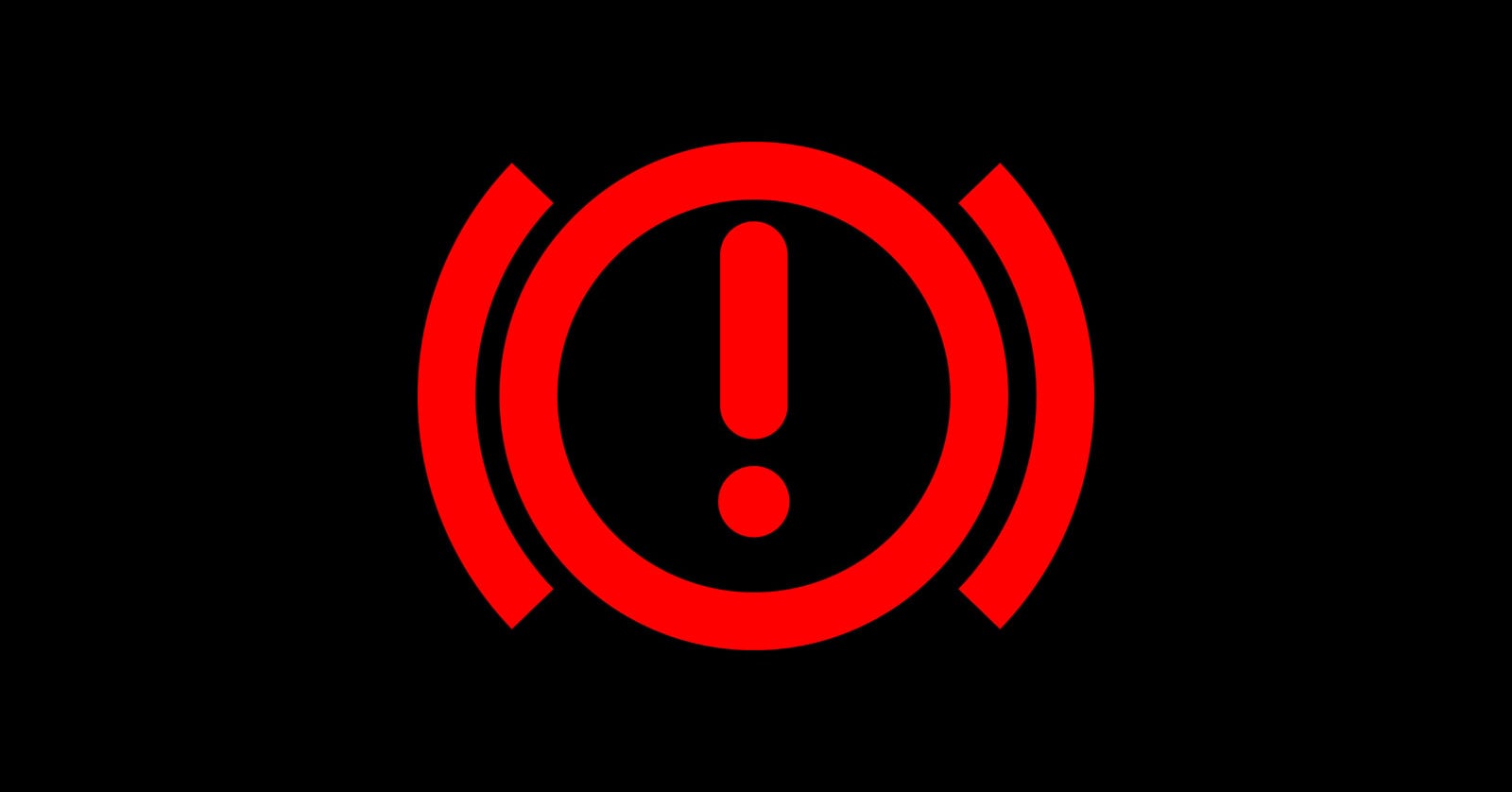
Table of Contents
Imagine this: you're speeding down the highway at 120 km/h when suddenly a red warning light with an exclamation mark lights up on your dashboard. Your heart starts pounding, your grip on the steering wheel tightens, and one thought races through your mind: “What now?” For some, it's a signal to pull over immediately; for others, it's just a minor detail they choose to ignore. But who’s right? The answer to that question could directly impact your safety — and the safety of everyone else on the road.
Brake System Indicator – What Is It and When Does It Turn On?
The brake system warning light is one of the most important indicators on any vehicle's dashboard. This small symbol plays a crucial role in overall safety by informing the driver about the condition of one of the vehicle’s most vital systems. It typically appears on the dashboard as a circle with an exclamation mark inside. The color of the light can be yellow (caution) or red (critical).
The brake warning light is directly linked to sensors that monitor various components of the braking system. Its primary function is to alert the driver to potential issues before they result in complete brake failure. In modern vehicles, this indicator may signal problems with:
- brake fluid level;
- brake pad wear;
- ABS malfunction;
- other components affecting braking performance.
This light’s importance cannot be overstated — any brake system fault poses a direct safety risk. That’s why many car manufacturers use a universal indicator for different types of brake-related issues, as each one requires immediate driver attention.
Brake Warning Light Is On: Normal or a Fault?
The brake warning light doesn't always indicate a serious malfunction. In some cases, its activation is completely normal and shouldn't cause concern.
When Is the Brake Warning Light On Under Normal Conditions?
The light can turn on during standard, safe situations. When the ignition is turned on, the car performs a brief self-check — the light should go out after a few seconds. It also remains lit while the handbrake is engaged and turns off only after it’s fully released. In these cases, no action is required — this is expected system behavior.
When Should You Be Concerned?
If the brake warning light comes on while driving or stays on after starting the engine, it could indicate one of the following issues:
- Low brake fluid level – often due to pad wear or a leak in the system.
- Worn brake pads – some vehicles have sensors that alert when pads reach their wear limit.
- Brake fluid leak – a serious fault that directly affects braking performance.
- ABS malfunction – in some models, the same warning light is used for ABS issues.
- Sensor or ECU error – may result from software or hardware failures in the brake monitoring system.
If the brake warning light is on outside of normal conditions, it's a clear sign to stop and inspect the brakes. Road safety depends directly on their proper functioning.
What to Do If the Brake Warning Light Comes On
If the brake warning light appears on your dashboard, the key is to stay calm and respond appropriately Your first move should be to stop driving and pull over in the nearest safe location, away from traffic.
What to Check Immediately
After stopping, inspect the basic components. Make sure the handbrake is fully released — this is one of the most common reasons for the warning light to activate. Then, check the brake fluid level in the reservoir under the hood. If it's below the minimum mark, this could point to worn brake pads or a leak in the system.
Assessing the Situation
If the brake warning light remains on after restarting the engine, you should not continue driving.
- A red brake system warning light represents a direct threat to your safety.
- If a yellow warning light is on, you may carefully drive to the nearest service station, but you must exercise extreme caution when braking.
What if the warning light came on and then went off right away?
Sometimes, the brake warning light may flash for a few seconds and then turn off. This behavior doesn't always indicate a serious issue. Possible reasons include:
- temporary fluctuations in brake fluid level during braking or cornering;
- a one-time sensor or contact glitch;
- overheating of braking components during prolonged use.
If this happens just once and doesn't repeat, it’s usually enough to check the brake fluid level and the condition of the brake pads at your earliest convenience.
What Does It Mean If the Brake Warning Light Flashes?
A flashing warning light indicates instability in the system. Possible causes include:
- ABS control module fault;
- intermittent sensor connection;
- damaged wiring or corroded connectors.
If the warning light is flashing, you should not continue driving without a proper diagnosis — even if the brakes seem to be working normally.
When Is Driving Strictly Prohibited?
It is strictly prohibited to continue driving if:
- the brake fluid level is critically low;
- there is any suspicion of a leak in the braking system;
- the brake pedal behaves unusually — either too soft or excessively stiff.
In such cases, you must call a tow truck or seek help from a mechanic. Remember: the brake system must never be ignored. Even if the brakes appear to be working fine at first glance, a lit warning light may indicate a hidden fault that could lead to complete system failure at the worst possible moment.
You can select and purchase brake system components in our online store.
Go to the brake parts catalogueFrequently Asked Questions
What does the brake system warning light on the dashboard mean?
It is a warning signal indicating a possible brake system issue: low brake fluid level, worn brake pads, ABS problems, or an engaged handbrake.
Should you react immediately when this light turns on?
Yes — it is one of the most important warning indicators. You should stop in a safe place as soon as possible and check the brake system.
Can the light turn on because of the handbrake?
Yes — if the handbrake is not fully released, the warning light may turn on. First, make sure the handbrake is completely disengaged.
What should you do if the light is on but the brakes seem normal?
Even if the brakes feel fine, the cause may be low fluid level or pad wear. Check the brake fluid reservoir and visit a service center for diagnostics.
Why is it dangerous to ignore the brake system warning light?
Ignoring it may lead to reduced braking performance, longer stopping distances, brake failure, and an increased risk of an accident.