

Signs of a Faulty Engine Mount
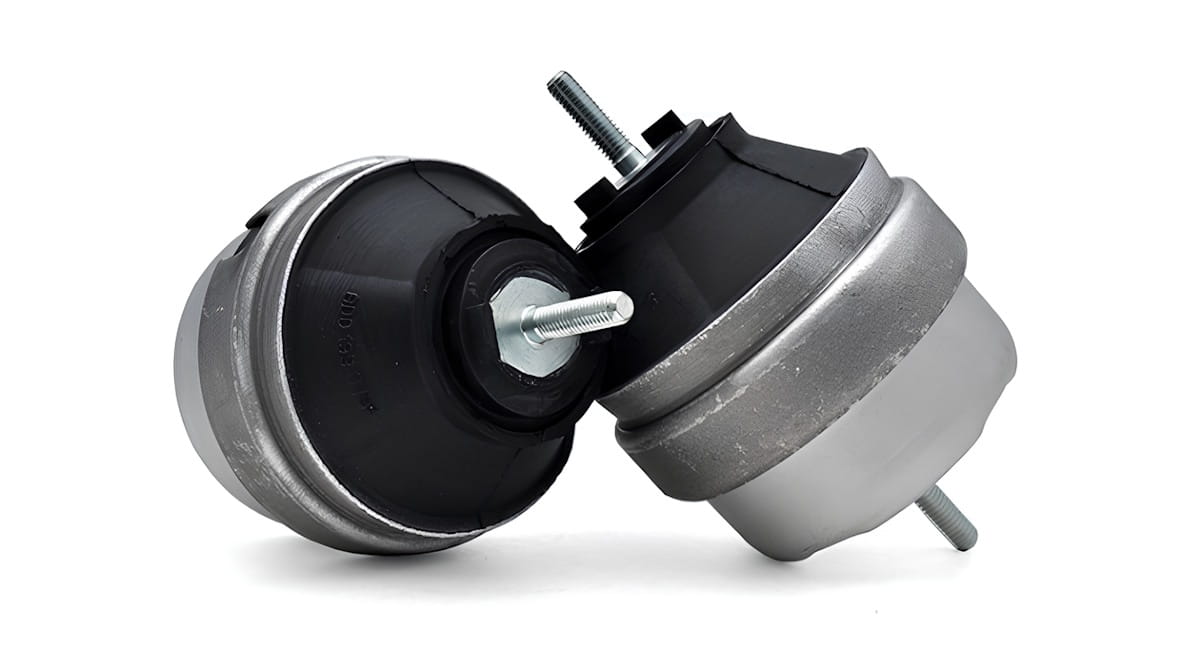
An engine mount (also known as an engine support) is a component that connects the engine to the vehicle's body and performs several critical functions. It secures the powertrain in place, absorbs engine vibrations, and protects the chassis from shock loads. Properly functioning engine mounts not only improve driving comfort but also ensure the stability of the entire power unit.
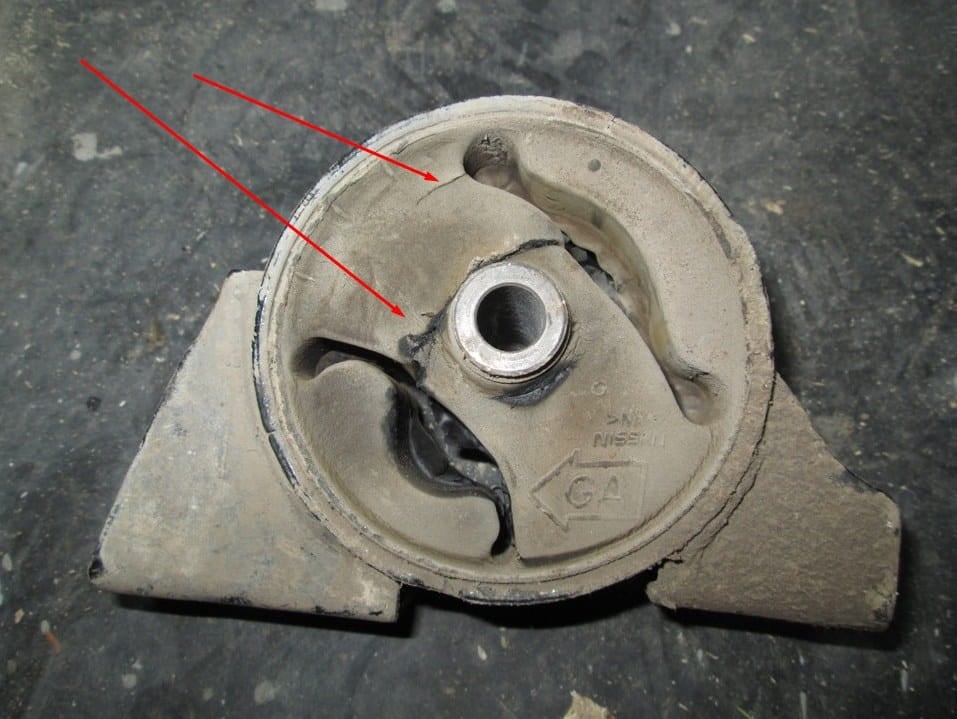
Over time, rubber and hydraulic components lose their elasticity, cracks or leaks may appear, and the mount’s performance deteriorates. As a result, the engine may vibrate excessively, shift within the engine bay, or produce knocking sounds. Such symptoms should not be ignored — they directly affect the vehicle’s reliability and driving safety.
In this article, we’ll look at the common signs of a faulty engine mount, how to detect the issue early, and why it’s important not to delay replacement.
Common Symptoms of a Worn Engine Mount
Early identification of engine mount issues is key to timely diagnosis and repair. The symptoms typically develop gradually, giving the driver time to act before more serious problems arise.
The most common signs of worn engine mounts include:
- Noticeable engine vibrations felt inside the cabin, especially at idle;
- Knocking or thumping sounds when starting or shutting off the engine;
- Jerks when pulling away or shifting gears;
- Excessive vibration of the steering wheel, even when the car is stationary but the engine is running;
- Unusual noises from the engine bay, especially during acceleration;
- Increased engine noise clearly audible in the cabin.
Damage to the right engine mount usually causes vibrations on that side of the vehicle. If the mount on the transmission side is faulty, gear shifting may become more difficult.
Severe symptoms of a completely broken engine mount:
- Loud bangs under the hood when driving over bumps;
- Visible engine displacement within the engine bay;
- Metallic clanking sounds indicating metal-to-metal contact.
How to Confirm a Faulty Engine Mount? One of the easiest ways is to observe the engine while the hood is open. At idle, the engine should vibrate only slightly. If you see excessive movement or tilting of the power unit, it may point to worn mounts. It’s also important to visually inspect the mounts for signs of cracks, oil leaks (in the case of hydraulic mounts), or deformation of rubber parts — all clear indicators of failure.
Why Do Engine Mounts Fail?
Even high-quality mounts degrade over time. Rubber hardens, hydraulic fluid may leak, and metal parts can corrode. The main causes of engine mount failure include:
- Natural material wear: Rubber components lose flexibility over time due to temperature fluctuations and repeated stress. Initial signs of wear often appear after 100,000 to 150,000 km.
- Aggressive driving style: Frequent hard acceleration, wheel spin, or harsh clutch engagement increase stress on the mounts and speed up wear.
- Fluid leaks: Engine oil leaking onto rubber components breaks down their structure, leading to early failure.
- Environmental factors: Extreme temperatures and high humidity accelerate corrosion of the metal parts in the mounts.
- Improper installation: Misalignment or incorrect torque during installation can cause premature wear and unwanted vibrations.
- Mechanical damage: Impacts, road debris, or accidents can cause mounts to tear or break.
- Low-quality parts: Cheap, non-OEM replacements often lack the necessary durability and quickly show signs of failure.
All of these factors contribute to the appearance of typical symptoms like vibrations, knocks, and noises caused by a worn engine mount.
Conclusion
Signs of a faulty engine mount should never be ignored. Though it may seem like a minor component, it plays a crucial role in driving comfort, engine performance, and the lifespan of surrounding vehicle systems. Vibrations, noises, and knocking sounds are warning signs that demand immediate attention.
An engine mount is a wear-and-tear item and its replacement around 150,000 km is considered part of regular maintenance.
Replacing a damaged mount is relatively inexpensive — especially compared to the cost of potential damage to the exhaust system, brackets, drivetrain components, or even the chassis if the issue is left unresolved.
You can find high-quality engine mounts for most popular car brands in our store. Regular inspections and prompt response to wear symptoms will ensure reliable and long-lasting vehicle performance without costly repairs.
Select the right engine mount for your vehicle in the catalogue.
Go to the engine mount catalogueFrequently Asked Questions
What are the main signs of a worn engine mount?
Strong vibrations or shaking inside the cabin, especially during engine start or at idle; knocking or banging noises when shifting gears or accelerating; unusual sounds coming from under the hood.
Why does an engine mount fail?
Material wear over time, constant vibrations, aggressive driving style, impacts from road irregularities, or manufacturing defects — all of these factors can lead to engine mount failure.
Can you drive with a faulty engine mount?
It is possible for a short time, but it reduces driving comfort, increases vibrations, and puts additional stress on the transmission and other components, which may result in further damage.
How can you tell if the problem is actually the engine mount?
Inspection on a lift, visual checks for cracks, tears, or misalignment, as well as evaluating vibrations and unusual noises during startup and driving, can help confirm the issue.
What should you do if the engine mount is indeed faulty?
It is best to replace it as soon as possible to restore comfort, reduce vibrations, and protect other components from accelerated wear.