

Faulty Inner CV Joint — Symptoms and Causes of Failure
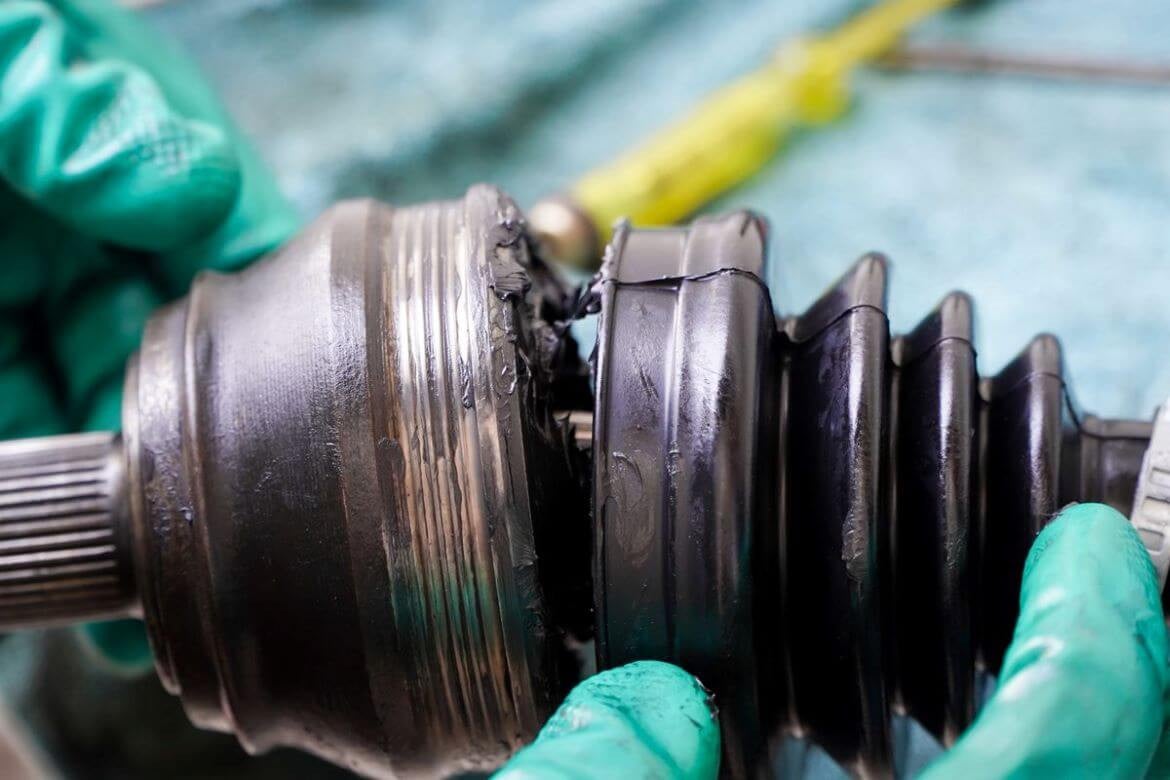
Table of Contents
The inner CV joint is a drivetrain component that transfers torque from the gearbox to the wheels through the drive shafts. When it begins to wear out, the vehicle rarely “fails quietly.” Vibrations, jerks and unusual noises may appear while driving.
It is important to recognize these symptoms as early as possible. Ignoring the problem may lead not only to the replacement of the joint itself, but also to damage to the drive shaft and sometimes other drivetrain components.
What the Inner CV Joint Is and Where It Is Located
The inner CV joint is part of the drive shaft that connects it to the gearbox or the differential. Its role is to ensure smooth torque transfer despite suspension movement and changes in the position of the wheels relative to the vehicle body.
In practice, this means the joint almost constantly operates under heavy load. It transfers torque while also compensating for suspension movement. For this reason, symptoms of a faulty inner CV joint most often appear under load rather than only during steering.
Symptoms of a Faulty Inner CV Joint
A damaged inner CV joint most often reveals itself during acceleration or when the vehicle is under load. If the car begins to vibrate when pressing the accelerator pedal and the symptoms weaken after releasing it, the inner CV joint is one of the first components to suspect.
Below are the most common symptoms explained in more detail.
Vehicle Vibrations During Acceleration
Body vibration during acceleration is one of the most characteristic signs. When the joint is worn, torque is transferred unevenly, which causes vibrations that can be felt through the vehicle body, the floor, and sometimes even the steering wheel.
Typically, vibrations become stronger during hard acceleration or when accelerating in a higher gear. In many cases, they disappear after releasing the accelerator pedal or shifting into neutral.
Jerking When Pressing the Accelerator
Jerking indicates that torque is not being transmitted smoothly. Worn raceways or internal components of the joint can cause uneven rotation of the drive shaft, which the driver feels as short, repeating jolts during acceleration.
This symptom is sometimes confused with clutch problems, worn engine mounts, or ignition system issues. However, the key difference is that inner CV joint failure symptoms are usually more closely related to drivetrain load rather than engine operation itself.
Knocking or Impact Noises Near the Drive Shaft
An inner CV joint may produce knocking sounds if excessive play develops inside it. These noises typically have a metallic character and can be heard from the gearbox or drive shaft area, especially when starting from a standstill, when the load changes, or during sudden acceleration.
The greater the play in the joint, the more noticeable these sounds become.
Noises Under Drivetrain Load
One of the symptoms of a failing inner CV joint can be unusual noises that appear when the drivetrain is under increased load. These may include metallic knocks, dull thuds, or a steady humming sound coming from the area of the drive shaft and gearbox.
Such symptoms usually occur during strong acceleration, when driving uphill, or when starting from a standstill. At these moments the maximum torque is transmitted to the wheels, which causes a worn joint to operate unevenly.
The noise may also become louder when the vehicle is heavily loaded or during acceleration in higher gears. Over time, these sounds tend to become more pronounced, which usually indicates progressive wear of the component.
Main Causes of Inner CV Joint Failure
In most cases, the joint does not fail suddenly or without a reason. Typically, one or more factors appear first that accelerate wear:
- damage or cracking of the rubber boot;
- grease leakage or contamination;
- water, sand or dirt entering the joint;
- high vehicle mileage;
- frequent hard launches and aggressive driving style.
A damaged boot is one of the most common causes of failure. When the boot cracks, grease leaks out and contaminants enter the joint. As a result, the internal components begin to wear much faster.
The longer the vehicle is operated in such conditions, the higher the likelihood that the joint itself will eventually require replacement.
How to Check the Inner CV Joint
The simplest answer to the question “how to check the inner CV joint” is to observe the behavior of the vehicle while driving and perform a mechanical inspection of the component.
First, pay attention to the following signs:
- whether vibration appears during acceleration;
- whether unusual noises disappear after releasing the accelerator pedal.
During inspection it is necessary to check:
- the condition of the rubber boot;
- traces of leaking grease;
- play in the drive shaft;
- noises when the component is moved;
- the operation of the assembly on a vehicle lift.
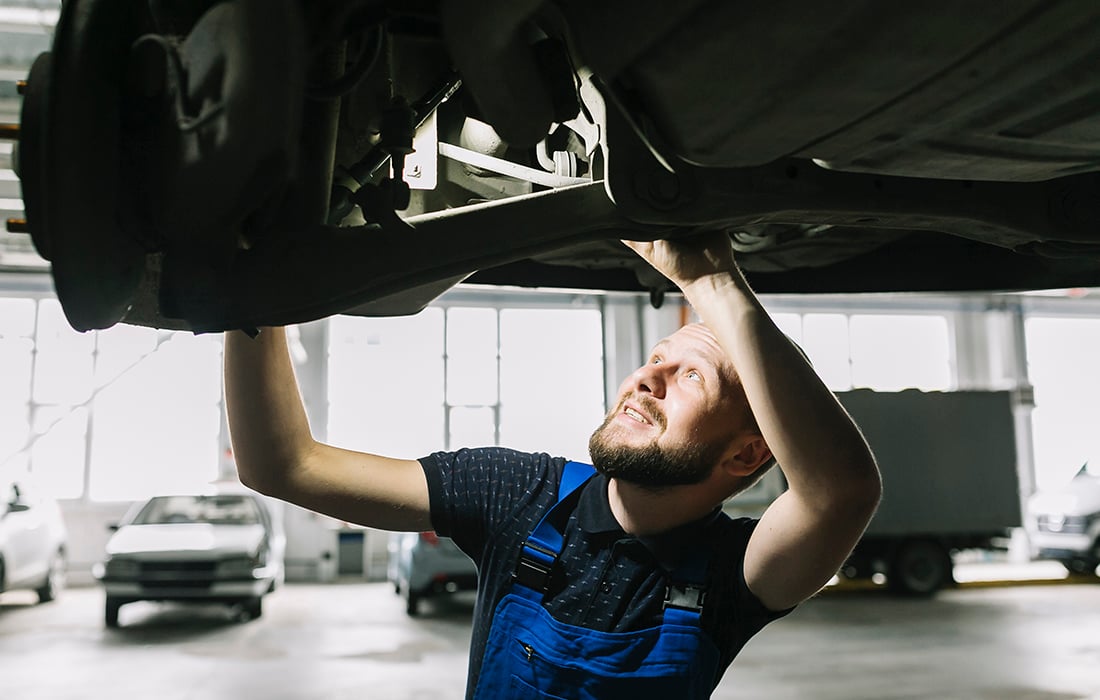
In a repair shop, a mechanic usually evaluates joint play, the condition of the boots, and how the drive shaft behaves under load. If the play is noticeable and the symptoms repeat during a test drive, the diagnosis becomes fairly clear.
Play in the Inner CV Joint — What It Means
A small amount of operational play may be considered normal, but excessive movement is already a sign of wear. If the play becomes too large, the joint can no longer operate smoothly and begins to cause vibrations, knocking sounds, and uneven torque transmission.
The phrase “play in the inner CV joint: symptoms” usually refers to issues such as vibrations during acceleration, knocking noises and jerking. Excessive play can accelerate wear of other drive shaft components and reduce driving comfort. In practice, this means one thing: if noticeable play is already present, postponing replacement is usually not advisable.
Is It Safe to Drive With a Faulty CV Joint?
Driving a vehicle with this type of fault is possible, but strongly discouraged. At an early stage the issue may be limited to vibrations and mild jerking, but wear will continue to progress over time.
Eventually the joint may start knocking loudly, damage the drive shaft, or even lead to loss of drive.
Therefore, when the question arises whether it is possible to drive with a faulty CV joint, the honest recommendation is this: only in an emergency and only to reach a repair shop as soon as possible. Regularly driving with such a defect increases the risk of additional damage and reduces driving safety.
Conclusion
A faulty inner CV joint usually manifests through several characteristic symptoms: vibrations during acceleration, jerking, knocking sounds, and noises under load. In most cases, the cause is a damaged boot, grease leakage, contamination, or natural wear related to mileage and driving style.
The sooner the symptoms of inner CV joint failure are recognized, the higher the chance of avoiding more serious and expensive repairs. In this sense, the vehicle often gives clear warning signals — the key is to notice them in time rather than dismiss them as just another “quirk” of the car.
If diagnostics confirm joint wear, it is best not to delay replacement. In our store you can choose and purchase an inner CV joint, a complete drive shaft assembly, or the necessary components for repair — with a quality guarantee and the option to match the part precisely to your vehicle model.
Select the right inner CV joint for your vehicle in the catalogue.
Go to the inner CV joint catalogueFAQ — Frequently Asked Questions About the Inner CV Joint
How can you tell if the inner CV joint is faulty?
One of the most common signs is vehicle vibration during acceleration. These vibrations usually become stronger when pressing the accelerator pedal and decrease after releasing it. Jerking, knocking sounds, or a humming noise coming from the driveshaft area may also appear.
What is the difference between a faulty inner and outer CV joint?
An outer CV joint most often produces a clicking or crunching sound when turning the steering wheel, especially at low speeds. An inner CV joint, on the other hand, usually causes vibrations and jerking during acceleration because it operates under load while transmitting torque.
Can you drive with a faulty inner CV joint?
Technically it may still be possible in the early stages, but it is not recommended. Over time the wear becomes worse, which can lead to strong vibrations, damage to the driveshaft, or even loss of drive.
How can you check the condition of an inner CV joint?
You should pay attention to vibrations during acceleration, unusual noises, and jerking while driving. It is also important to inspect the CV boot and check for signs of grease leakage. A precise diagnosis is usually performed at a repair shop.
What most often causes inner CV joint failure?
The most common causes include a damaged CV boot, loss of grease, dirt or water entering the joint, high vehicle mileage, and aggressive driving.
Can only the inner CV joint be replaced without changing the entire driveshaft?
In many cases this is possible. If the driveshaft itself is not damaged, usually only the joint is replaced. However, the final decision depends on the drivetrain design and the level of wear of the components.