

Check Engine Light: What Does It Mean and What to Do If It Lights Up?
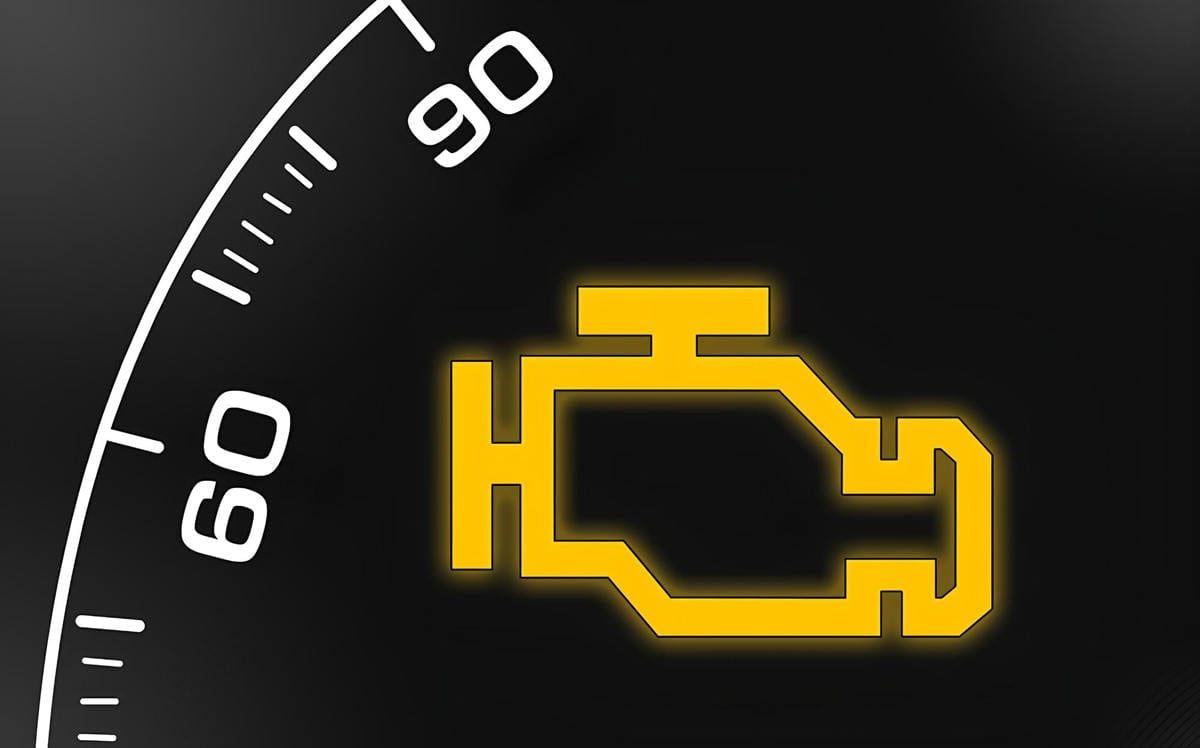
Table of Contents
- Check Engine Indicator Light: What Does It Mean?
- What to Do If the Check Engine Light Comes On?
- Most Common Causes of the Check Engine Light
- Flashing Check Engine Light in a Vehicle with LPG/CNG System
- Engine Indicator Light Turns On and Off – What Should You Do?
- How to Reset the Engine Indicator Light?
- Conclusion
Most drivers have encountered a situation where the engine indicator lights up on the dashboard. This distinctive symbol, also known as the “Check Engine” light, can cause concern and raise many questions. However, not every activation of the engine malfunction indicator signifies a serious issue or costly repairs. In this article, we will explain in detail why the engine indicator turns on, what it means, and how to act correctly in such a situation.
Check Engine Indicator Light: What Does It Mean?
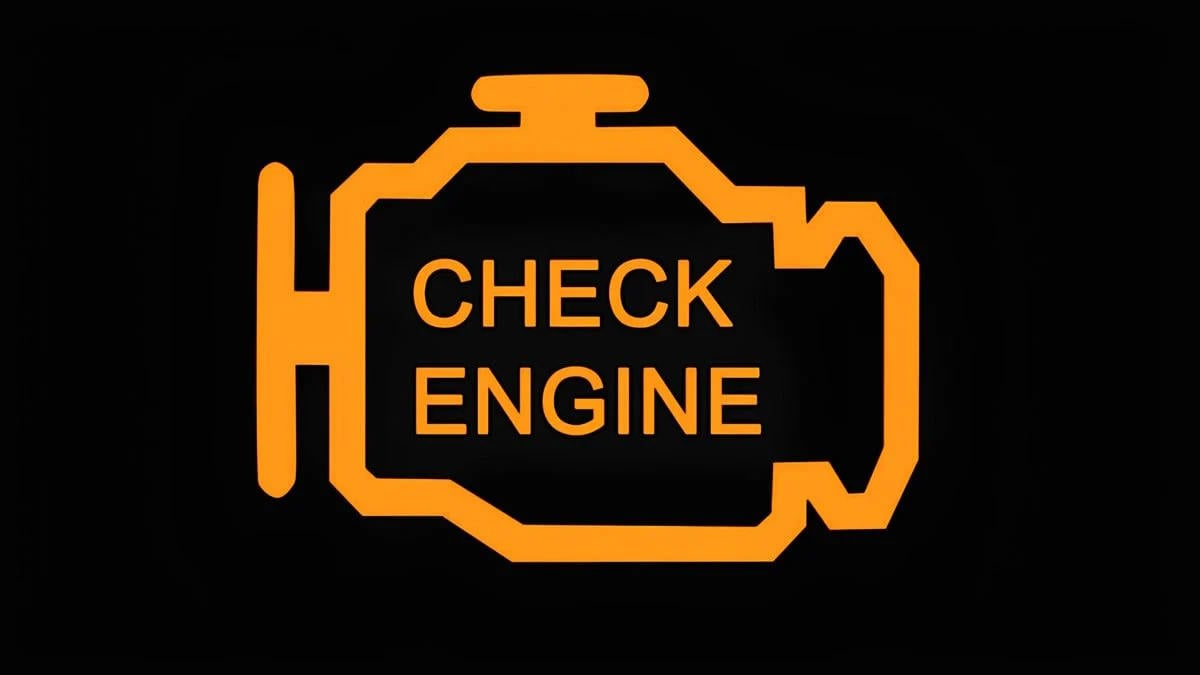
The engine symbol on the dashboard is part of the diagnostic system that continuously monitors the operation of the powertrain. Its illumination indicates that the onboard computer has detected a malfunction. However, the severity of the issue can be determined by the color and mode of the indicator:
- An orange or yellow engine indicator signals a problem that requires attention but generally allows the vehicle to be driven to a service center. In rare cases, the color may be red.
- A flashing engine indicator means a high risk of serious engine damage and requires stopping in a safe place.
The system monitors numerous parameters, including:
- fuel system operation;
- catalytic converter efficiency;
- ignition system performance;
- temperature and pressure sensors;
- electronic throttle control function.
Regardless of the color, if the engine indicator remains illuminated for an extended period, delaying a visit to a service center is not advisable. Even if the issue seems minor at first glance, over time, it can lead to significant damage. To prevent costly repairs, it is recommended to conduct a professional diagnostic check in a timely manner.
What to Do If the Check Engine Light Comes On?
If the check engine light comes on while driving, don’t panic. Here’s what you should do:
- Assess the vehicle’s behavior. Check whether the engine is running smoothly, listen for unusual noises, and see if there are any jerks or a noticeable loss of power. These observations will be very helpful for diagnostics.
- Assess the warning signal yourself. If you see an orange engine light, you can usually continue driving safely to a service station. The situation is especially dangerous when the engine light is flashing – in this case, you should stop in a safe place and turn off the engine.
- You will need a professional diagnosis using an OBD2 scanner to accurately identify the problem. The scanner reads stored ECU errors and helps determine the source of the malfunction. This is the most reliable way to resolve the issue.
- Do not ignore the check engine light, even if the vehicle appears to be running normally. A quick response can prevent serious damage, costly repairs, and unexpected breakdowns.
Most Common Causes of the Check Engine Light
The check engine light can illuminate for various reasons. Some issues are easy to fix, while others require serious intervention from a mechanic. Let’s take a look at the most common causes.
A faulty oxygen sensor (O2 sensor) is one of the most frequent reasons for the check engine light to come on. This sensor monitors the composition of exhaust gases and helps regulate fuel consumption. A malfunctioning O2 sensor can lead to increased fuel consumption and potential issues with the catalytic converter.
A catalytic converter failure is another common cause. If the converter is worn out or clogged, the check engine light will illuminate, and the vehicle’s power may noticeably decrease.
The check engine light turning on and jerking during driving are often related to ignition system issues. Possible causes include:
- worn-out spark plugs;
- faulty ignition coils;
- damaged high-voltage wires.
Mass Air Flow (MAF) sensor malfunctions can also trigger the check engine light. Common symptoms include:
- unstable engine operation;
- difficult engine start;
- increased fuel consumption.
A clogged or malfunctioning EGR valve is another frequent cause of the Check Engine light. Key signs of an EGR valve failure include:
- reduced engine power;
- unstable idle operation;
- increased fuel consumption.
Flashing Check Engine Light in a Vehicle with LPG/CNG System
The Check Engine light in a vehicle equipped with a liquefied petroleum gas (LPG) or compressed natural gas (CNG) system can indicate various issues—ranging from incorrect oxygen sensor readings to improper gas system settings. Most often, it is related to combustion irregularities or an incorrect fuel mixture composition. To prevent serious engine damage, it is recommended to diagnose and fix the issue as soon as possible.
Flashing Check Engine Light: Possible Causes
In vehicles equipped with a liquefied petroleum gas (LPG) or compressed natural gas (CNG) system, a flashing Check Engine light is a common issue that requires special attention. In such vehicles, the self-diagnostic system may detect more malfunctions compared to cars running on conventional fuel.
Most Common Causes of a Flashing Check Engine Light in an LPG/CNG Vehicle:
- incorrect LPG system settings, leading to improper fuel combustion;
- faulty gas injectors;
- malfunctions in sensors responsible for fuel mixture composition;
- issues with switching between gasoline and gas.
In this situation, the first step should be a basic engine diagnostic. If the Check Engine light appears while running on gas but disappears when switching to gasoline, the issue is most likely related to the LPG system. Possible Causes:
- clogged gas filter;
- faulty pressure regulator;
- problems with solenoid valves;
- malfunctions in the gas controller.
Is It Safe to Keep Driving?
When the Check Engine light is flashing, continuing to drive can be risky. Here’s why:
- A flashing Check Engine light, unlike a steady one, usually indicates issues that can lead to severe engine damage.
- Engine diagnostics show that misfires can quickly damage the catalytic converter.
- An incorrect fuel mixture composition can cause serious mechanical damage.
Driving with a flashing engine indicator light is highly discouraged. It’s best to stop immediately and call for a tow truck.
What to Do If the Check Engine Light Flashes in an LPG/CNG Vehicle?
If the Check Engine light starts flashing while driving on gas, the best course of action is to switch to gasoline and seek professional assistance as soon as possible. Recommended Actions:
- Immediately switch to gasoline.
- If the Check Engine light continues flashing after switching, safely pull over and stop the vehicle.
- Contact a service center specializing in LPG/CNG installation and repair.
- Do not attempt to reset the error codes yourself—this may mask a more serious issue.
- Get a professional diagnosis. A specialist should inspect:
- the condition of the gas injectors;
- the operation of the pressure regulator;
- the tightness of the gas system;
- the accuracy of the controller settings.
How to Maintain an LPG/CNG System to Prevent These Issues? To avoid malfunctions, it is recommended to:
- regularly replace LPG filters;
- perform periodic system inspections and calibration;
- refuel only at trusted gas stations;
- frequently switch between gas and gasoline to keep the gasoline injectors in working order.
Engine Indicator Light Turns On and Off – What Should You Do?
It is quite common for the Check Engine light to turn on and off intermittently, and it does not always indicate a serious issue. However, it is important to correctly interpret this signal and take appropriate action.
Why Does the Check Engine Light Turn On and Off? The most common reasons include:
- temporary sensor malfunctions;
- moisture in the electrical system;
- occasional engine misfires;
- voltage fluctuations in the electrical system;
- temporary fuel supply issues.
Even if the Check Engine light turns off, it should not be ignored. The self-diagnostic system records all detected faults in the ECU’s memory. In some cases, a brief appearance of the warning light may be an early sign of a more serious issue.
What to do in this situation:
- Note the conditions under which the issue occurs – for example, during acceleration, on a cold engine, or in wet weather.
- Pay attention to additional symptoms, such as:
- jerking while driving;
- increased fuel consumption;
- loss of power;
- unusual engine noises.
- If the problem persists, perform an engine diagnosis. Early diagnostics can help prevent serious breakdowns.
Important to remember! Even if the Check Engine light has turned off and the vehicle is running normally, it is still advisable to inform the mechanic about the issue during your next visit to the service center. Sensor malfunctions or other hidden problems can worsen over time.
How to Reset the Engine Indicator Light?
The engine icon on the dashboard worries many drivers, making “How do I reset the Check Engine light?” one of the most frequently asked questions for mechanics. However, simply clearing the error without addressing its cause is a temporary and potentially dangerous solution.
Proper procedure for resetting the check engine light:
- Professional Diagnostics. The first step is a complete engine diagnostic. In a specialized service center, a technician will:
- read the error codes;
- check engine operating parameters;
- identify the root cause of the issue.
- Fixing the Malfunction. Once the problem is detected, the necessary steps include:
- replacing damaged components;
- repairing faulty connections;
- adjusting system settings.
- Resetting the Error. The engine indicator light should only be reset after the issue has been resolved. There are several ways to do this:
- using a diagnostic scanner at a service center (the most reliable method);
- disconnecting the battery for 15–20 minutes (not always effective);
- using a specialized error-clearing tool.
Warning! If the Check Engine light reappears after a reset, it means that the issue has not been resolved or a new problem has occurred, requiring further diagnostics.

It is important to remember that manually clearing error codes without proper diagnostics can be dangerous. Hiding the problem by resetting the error code does not eliminate the malfunction itself, but merely masks its symptoms. As a result, this can lead to more serious and costly breakdowns. Therefore, it is better to trust professionals and fully resolve the issue rather than looking for temporary solutions.
Conclusion
The Check Engine light does not always indicate a serious malfunction, but it should never be ignored. Here are the key rules to follow:
- Evaluate the condition of the indicator:
- An orange Check Engine light usually allows you to drive cautiously to a service center.
- A flashing indicator requires an immediate stop in a safe place.
- Regularly maintain and diagnose your vehicle. This helps prevent unexpected and costly breakdowns.
- Clearing the Check Engine error without fixing the root cause is a temporary and risky solution.
- The key to reliable vehicle operation is routine maintenance and a timely response to any warning signals.
Frequently Asked Questions
What does the Check Engine light mean?
It is a signal from the engine control unit indicating a detected fault in the engine, exhaust, fuel delivery system, or other related vehicle components.
Should you worry if the light comes on but the car drives normally?
If the engine runs smoothly and there are no other warning signs, you can drive to a service center, but the warning should not be ignored — it may lead to serious issues.
What should you do if the Check Engine light is flashing?
A flashing light indicates a more serious malfunction — it’s best to stop immediately, turn off the engine, and contact a service center to avoid damage to the engine or catalytic converter.
Why can the Check Engine light turn on?
There are many possible causes: faulty sensors (oxygen sensor, MAP, MAF), ignition system issues, fuel system problems, catalytic converter faults, air leaks, or ECU malfunctions.
Can you reset the light and keep driving?
You can reset the code, but it doesn’t fix the underlying issue. The warning may return, and the fault can worsen if not properly addressed.