

How Often Should You Replace the Fuel Filter, and Can You Do It Yourself?
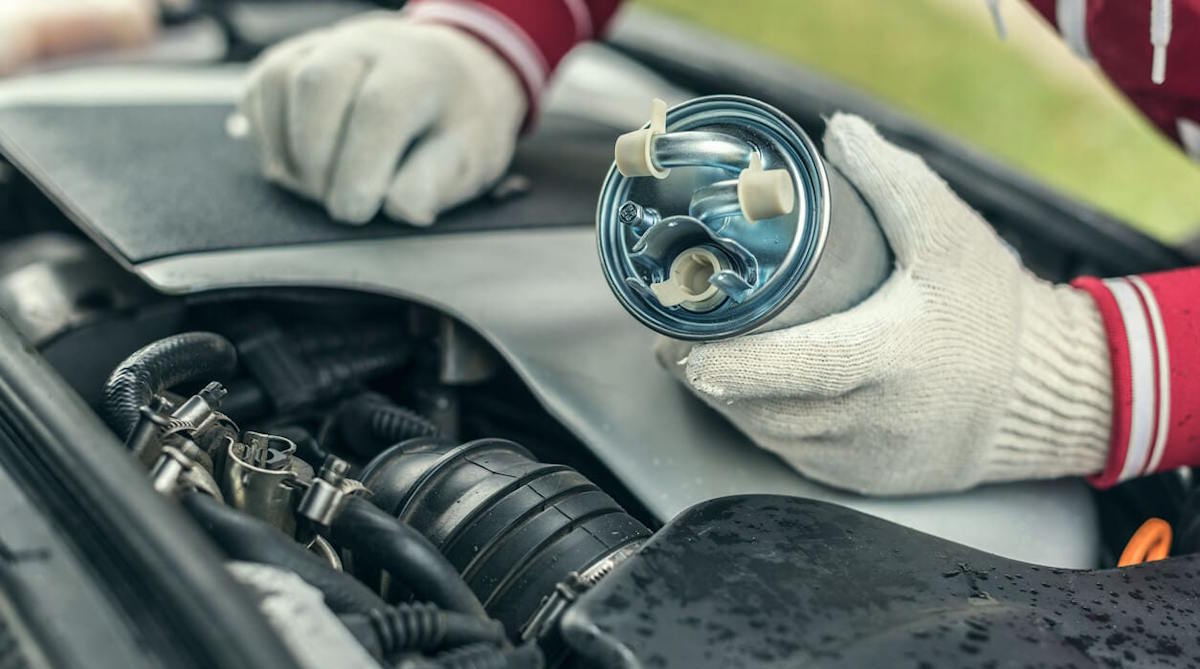
Table of Contents
- What Is a Fuel Filter, and Why Is It Important?
- Functions of the Fuel Filter
- What Contaminants Does the Fuel Filter Capture?
- How Does the Fuel Filter Work?
- Signs of a Clogged Fuel Filter
- How Often Should You Replace the Fuel Filter?
- Replacing the Fuel Filter in a Gasoline Engine
- Replacing the Fuel Filter in Diesel Engines
- How Much Does Fuel Filter Replacement Cost?
- How to Maintain a Fuel Filter? Usage Tips
- Conclusion
Have you ever wondered why your car loses power or starts consuming more fuel? One possible cause could be a clogged fuel filter. This small but essential component of the fuel system plays a crucial role in engine performance, and its regular replacement is just as important as an oil change. In this article, you'll learn how often you should change the fuel filter and whether you can replace it yourself.
What Is a Fuel Filter, and Why Is It Important?
A fuel filter is a vital component of a vehicle that protects the fuel system and engine from harmful contaminants. Regardless of whether your car has a gasoline or diesel engine, a properly functioning fuel filter is essential for its reliable operation.
Functions of the Fuel Filter
The primary role of the fuel filter is to remove impurities from the fuel that could damage sensitive injection system components or enter the combustion chamber. In modern engines, especially diesel ones, the injection system is highly sensitive to fuel quality, making a well-maintained filter the first line of defense.
What Contaminants Does the Fuel Filter Capture?
Fuel can contain various types of contaminants, and the fuel filter protects against them. External contaminants primarily include dust, sand, and rust particles that enter the tank during refueling. Internal contaminants include rust particles, condensation, and paraffin deposits. Without a properly functioning fuel filter, these impurities could damage the injection system.
How Does the Fuel Filter Work?
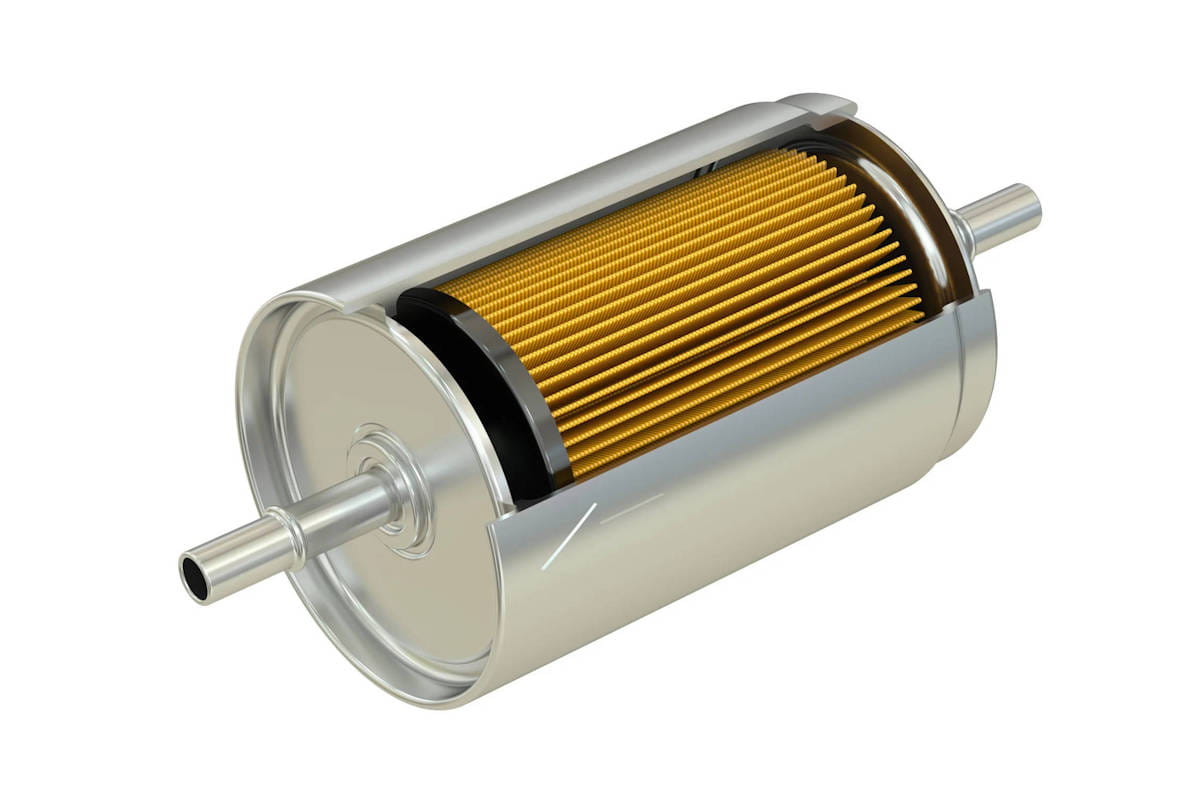
The fuel filter consists of a metal housing and a specialized filtering element made from porous materials. Where Is the Fuel Filter Located? It is typically installed between the fuel tank and the engine, along the fuel lines. In some car models, the filter may be located under the hood, near the front suspension mounts, or close to the fuel tank.
The operating principle is simple yet effective—fuel passes through the filtering material, which traps contaminants while allowing only clean fuel to enter the injection system. In diesel engines, filters are often equipped with an additional water separator to protect the injection system from corrosion.
Signs of a Clogged Fuel Filter
A clogged fuel filter can cause various issues in your vehicle’s performance. The symptoms depend on the type of engine.
Signs of a Clogged Fuel Filter in a Gasoline Engine:
- Noticeable loss of engine power
- Difficulty starting the car
- Unstable idle operation
- Hesitation or jerking when pressing the accelerator pedal
- Increased fuel consumption
Signs of a Clogged Fuel Filter in a Diesel Engine:
- Hard starting, especially in cold temperatures
- Excessive smoke from the exhaust
- Significant power loss at high RPMs
- Jerking or hesitation while driving
- Noticeable fuel odor
In diesel engines, fuel filter issues are especially evident in winter when paraffin deposits may form in the fuel. The first symptoms often appear during acceleration or when trying to reach high RPMs. In general, the signs of a clogged fuel filter are more pronounced in diesel engines compared to gasoline ones.
If you notice any of these symptoms, don’t delay a visit to a service center. A clogged fuel filter, particularly in a diesel engine, can lead to serious fuel system malfunctions.
Ignoring these warning signs may result in costly repairs, including fuel injector or fuel pump replacement. While a clogged filter in a gasoline engine may not always produce obvious symptoms, its failure can still negatively impact engine longevity.
How Often Should You Replace the Fuel Filter?
Let’s look at the recommended replacement intervals for different engine types.
How Often Should You Replace the Fuel Filter in a Diesel Engine?
Diesel vehicles require more frequent fuel filter replacements due to the characteristics of diesel fuel and the high sensitivity of the injection system. It is recommended to replace the filter every 30,000–40,000 kilometers or at least once a year. However, if you frequently refuel at lesser-known gas stations or operate your vehicle in harsh conditions, you should consider replacing it more often.
How Often Should You Replace the Fuel Filter in a Gasoline Engine?
Gasoline engines are less sensitive to fuel quality, so the fuel filter has a longer lifespan. In most cases, it should be replaced every 60,000–100,000 kilometers. However, these are approximate figures, and it’s best to follow the manufacturer’s recommendations specified in your vehicle’s owner’s manual.
Factors affecting fuel filter lifespan:
- Quality of the fuel used
- Driving style
- Climate conditions
- Vehicle age
- Type of fuel system
Regular maintenance and following the recommended replacement intervals will help prevent costly repairs in the future.

Replacing the Fuel Filter in a Gasoline Engine
How to Replace the Fuel Filter in a Gasoline Engine? With the right preparation, this procedure can be done independently. Before starting, gather the necessary tools: a Phillips screwdriver, hose clamp pliers, appropriate wrenches, a container for draining fuel, clean rags, and a new fuel filter.
Before replacement, it’s important to determine the filter’s location. Most commonly, it is found under the hood, near the front suspension mounts, or along the fuel lines. In some vehicle models, the filter may be located under the chassis, near the fuel tank.
Fuel filter replacement procedure:
- Protect the fuel lines from fuel leakage.
- Loosen the clamps or unscrew the mounting connections.
- Remove the old filter, noting the fuel flow direction.
- Install the new filter, aligning it with the arrow indicating the fuel flow direction.
- Secure the fuel lines properly.
- Turn the ignition key several times (without starting the engine) to prime the system with fuel.
Keep in mind that the feasibility of self-replacement depends on the vehicle’s design. In some cases, it’s best to visit a service center to avoid potential issues.
Replacing the Fuel Filter in Diesel Engines
Replacing the fuel filter in a diesel engine requires greater precision and attention to detail compared to a gasoline engine.
In diesel vehicles, fuel filters play an especially critical role—not only do they clean the fuel, but they are often equipped with a water separator. This makes diesel filter replacement more complex and best handled by an experienced mechanic. One of the key challenges is removing air from the fuel system after installing a new filter, which requires specialized knowledge and tools.
What should you consider when replacing it yourself?
If you decide to replace the filter on your own, make sure to:
- Remove air from the system – in modern vehicles, this happens automatically, while older models may require manual priming.
- Ensure proper fuel flow direction – install the new filter according to the indicated arrow.
- Replace sealing rings and gaskets – this prevents leaks and ensures a proper seal.
How Much Does Fuel Filter Replacement Cost?
The cost of replacing a fuel filter depends on several factors. The price of the filter itself ranges from 30 to 200 PLN, depending on the vehicle model and filter type. The cheapest filters are designed for popular gasoline models, while more expensive ones are for diesel engines and premium-class vehicles.
How Much Does Fuel Filter Replacement Cost at a Service Center? The cost of the work is from 50 PLN. The total price, including parts and installation, depends on the engine type:
- 80–200 PLN – for gasoline engines
- 150–350 PLN – for diesel engines
- 200–500 PLN – for premium vehicles and complex injection systems
These price ranges reflect average market values and may vary depending on the specific auto service, the make and model of the vehicle, and the region.
Saving on filter quality can have serious consequences. Cheap alternatives do not always provide sufficient fuel system protection, which can lead to costly repairs in the future. You can purchase a fuel filter for your car in our online store.
Select the right fuel filter for your vehicle in the catalogue.
Go to the fuel filters catalogueWhat Are the Benefits of Replacing the Fuel Filter? First and foremost, it ensures:
- Protection of the fuel injection system
- Stable engine performance
- Optimal fuel consumption
- Extended lifespan of the fuel pump
- Reliable cold-weather starts
Regular filter replacement is far more cost-effective than repairing a damaged fuel system, which can cost several thousand PLN.
How to Maintain a Fuel Filter? Usage Tips
Although fuel filter replacement is inevitable, you can significantly extend its lifespan and improve its efficiency. Here are some proven recommendations to prevent premature clogging:
- Refuel only at trusted gas stations from well-known brands and ensure cleanliness during refueling.
- Maintain a sufficient fuel level in the tank – regularly fill up to avoid water condensation and never let the tank run completely empty.
- Pay attention to fuel quality – for diesel engines, use winter additives and avoid cheap, low-quality fuel from unknown sources.
These recommendations are especially crucial in winter. During this period, diesel fuel filters are more prone to clogging due to paraffin buildup and water in the fuel, which can lead to serious vehicle performance issues.
Conclusion
How often should you replace the fuel filter? It depends on the engine type and operating conditions.
Key Recommendations:
- In diesel engines, the filter should be replaced every 30,000–40,000 kilometers or once a year.
- In gasoline engines, replacement is required every 60,000–100,000 kilometers.
- Ignoring the symptoms of a worn-out fuel filter is not an option.
Regular fuel filter replacement is not just a manufacturer’s recommendation—it’s a cost-effective way to prevent expensive repairs and extend the lifespan of your vehicle.
Frequently Asked Questions
Why should the fuel filter be replaced?
The fuel filter cleans petrol or diesel from dirt, rust, and impurities. Without replacement, it may damage injectors, the fuel pump, and negatively affect engine performance.
How often should the fuel filter be replaced?
It is usually recommended every 20,000–30,000 km or according to the manufacturer’s schedule. When driving on poor roads or using low-quality fuel — more frequently.
Can the filter be replaced independently?
Yes — if you have basic tools and experience. Key steps: drain the fuel, relieve system pressure, replace the filter carefully, and check for leaks.
How to know when the filter needs replacing?
Signs include: loss of power, hesitation during acceleration, jerks, unstable idle, difficult starting, black smoke, or a smell of fuel from the exhaust.
What happens if you drive with a clogged fuel filter?
This may lead to reduced engine efficiency, increased fuel consumption, excessive load on the fuel pump, and costly repairs of the fuel system.