

Alle waren Daewoo
Autoersatzteile
Alle Produkte der Abteilung

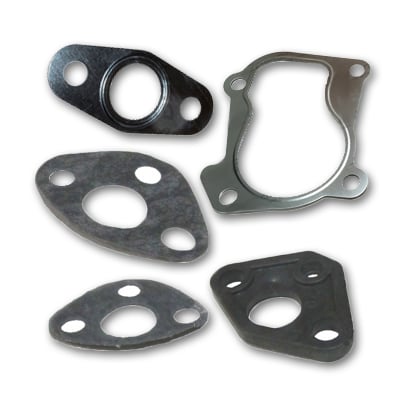
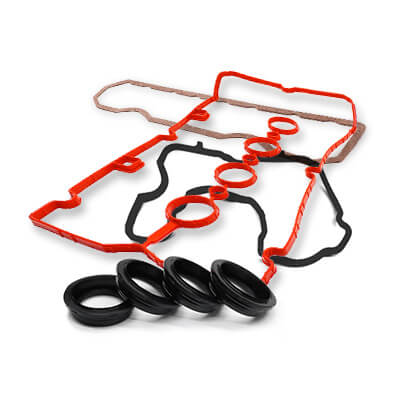
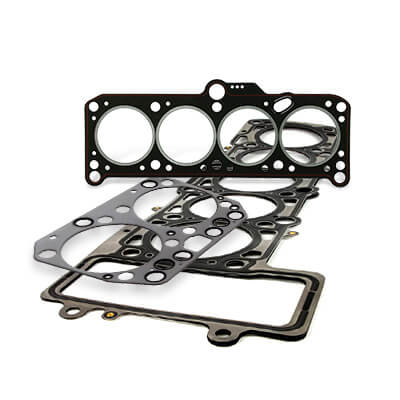
- Dichtungen und Dichtungssatz(2)

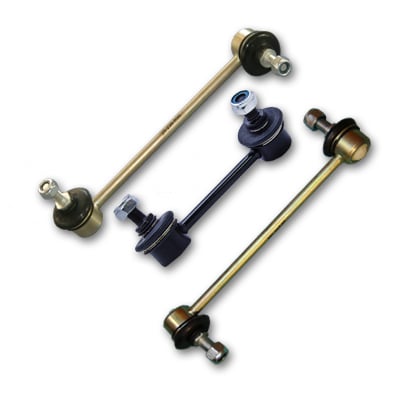
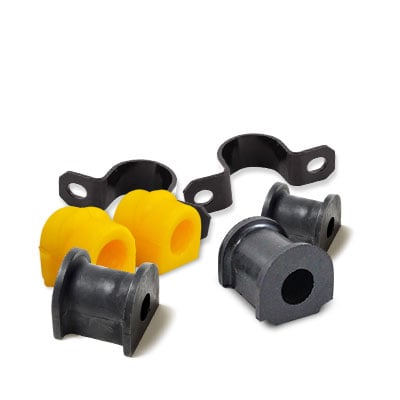
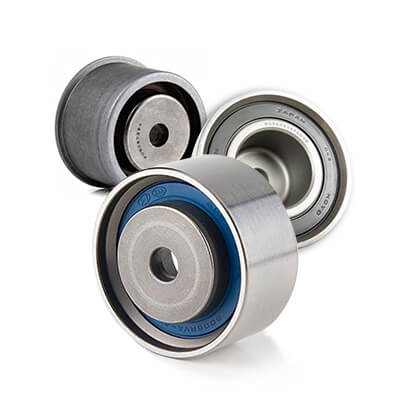
- Stabigummis(2)
- Dichtungen und Dichtungssatz(2)

- Thermostat(1)
- Ausgleichsbehälter(1)
- Dichtungen und Dichtungssatz(2)

- Dichtungen und Dichtungssatz(2)


- Dichtungen und Dichtungssatz(2)

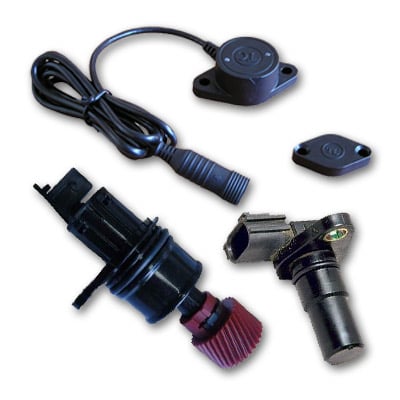
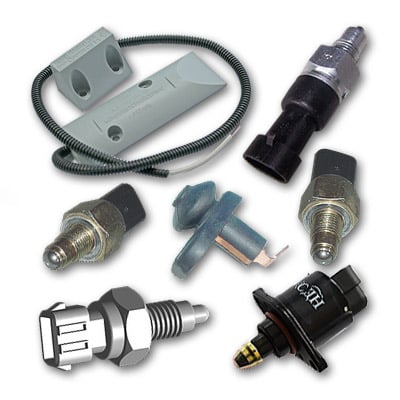
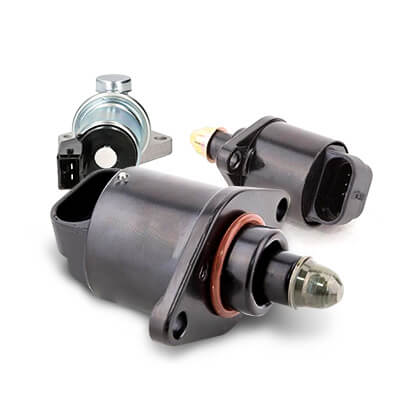
- Ansauglufttemperatursensor(1)
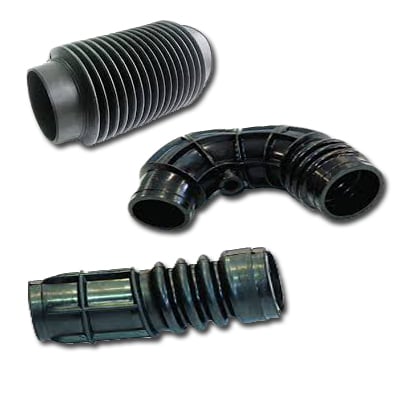
- Ansaugschlauch(1)

Beliebte Produkte Daewoo

Daewoo was engaged in the production of electronics, household appliances, cars and weapons. The Daewoo group consisted of about 20 divisions; before the collapse, it was the second largest conglomerate in Korea after Hyundai, larger than LG and Samsung. The beginning of Daewoo's history as an automobile manufacturer dates back to 1972, when the Korean authorities officially allowed four companies to manufacture cars: Kia, Asia Motors, Hyundai Motor and Shinjin. After some time, a production union of Kia and Asia Motors was formed. Shinjin was named Daewoo and worked closely with General Motors and Suzuki. A little later, the young Korean automaker changes its name to Daewoo Motor. Cooperation with the American concern GM continued until 1993. The 1998 Asian crisis hit Daewoo hard. The South Korean authorities were against the idea of nationalizing Daewoo. Many automakers wanted to acquire a majority stake in the company. General Motors bought out the division of passenger cars, the production was named "GM-DAT" (English General Motors - Daewoo Auto and Technology); Daewoo Commercial Vehicles acquired by Tata Motors (India), the world's fifth largest manufacturer of medium and heavy trucks; the production of small arms and auto parts was bought by S&T Holdings and since 2006 has been known as S&T Daewoo.